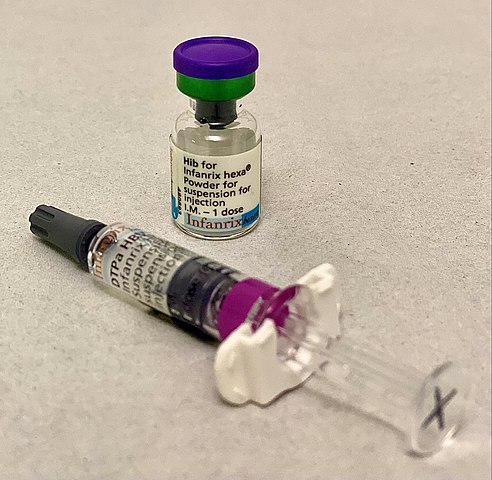
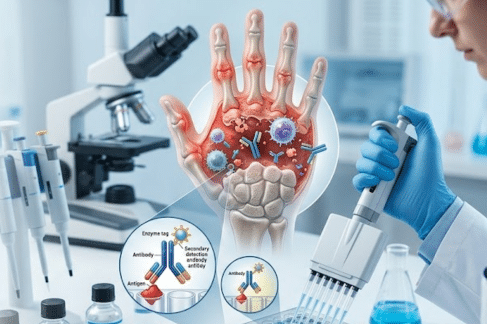
As infectious diseases continue to emerge and evolve, developing effective modern vaccines is important for public health. One growing area of vaccine technology is recombinants. Rather than traditional methods, recombinant vaccine production uses genetic engineering. This allows vaccines to be created more readily against rapidly mutating viruses.
Recombinant vaccines represent the clever application of biotechnology to prepare for disease threats. This approach has already borne fruit against illnesses like hepatitis and human papillomavirus (hpv) . Looking forward, recombinant methodologies may accelerate the deployment of vaccines for novel pathogens.
In this article, we’ll explore how genetic principles enable recombinant vaccines. We’ll review current examples and evidence of their utility. With resilience and innovation, emerging technologies like recombinants could strengthen our response capacity against tomorrow’s outbreaks.
To appreciate the brilliance of recombinant vaccines, we first need to understand what they are. In layman’s terms, these are vaccines created using recombinant dna technology . This technology allows scientists to insert a fragment of DNA from a pathogen (like a virus or bacteria) into another organism, usually yeast or bacteria. The host organism then produces the pathogen’s protein , which is harvested and used to make the vaccine. It’s like baking a cake with a special ingredient that trains your body to recognize and fight off specific diseases.
The journey of recombinant vaccines began in the late 20th century, a period marked by significant advances in molecular biology. The first recombinant vaccine approved for human use was Recombivax HB, against hepatitis b in 1986. This groundbreaking development hailed as a scientific milestone, paved the way for further research and development.
Advantages of recombinant vaccines over traditional vaccines
● Precision antigen targeting – Only include proteins unique to the pathogen’s outer coat rather than complete viral particles, reducing risk of adverse effects ● Rapid deployment potential – As synthetic antigens, recombinants skip lengthy attenuation processes to activate immune defenses fast against emerging outbreak threats ● Industrial scalability – Manufacturing recombinant components uses reproducible biotech methods allowing mass production for wider population coverage ● Enhanced durability – Viruses, toxins, or adjuvants often stabilizes recombinants allowing storage and transport without refrigeration ● Lower dosing requirements – Since immunogenic proteins are delivered precisely, a smaller amount elicits sufficient immune memory compared to traditional approaches ● Global accessibility – More adaptable logistics and fewer handling constraints opens distribution channels to reach at-risk groups in remote regions ● Needle-free options – Certain recombinant vaccine formats allow for oral or intranasal administration rather than injection-based methods ● Multivalent capability – Combines recombinant portions from different strains or serotypes into a single vaccine to expand protection
Recombinant vaccines have played a pivotal role in combating global diseases. The Hepatitis B vaccine has significantly reduced the incidence of liver cancer and chronic liver diseases worldwide. The Human Papillomavirus (HPV) vaccine, another recombinant marvel, is a powerful weapon in the fight against cervical cancer.
Despite their impressive track record, recombinant vaccines face challenges. One major hurdle is the cost and complexity of development and production, which can limit their accessibility, especially in developing countries. Also, there’s the challenge of public perception and vaccine hesitancy, fueled by misinformation and lack of understanding about recombinant technology.
The field of recombinant vaccines is continually evolving, with recent advances promising an even greater impact. Modern techniques like crispr and mrna technology are revolutionizing vaccine development, leading to faster production and potentially more effective vaccines. With ongoing research, we can expect more targeted, efficient, and accessible vaccines against various diseases.
Glossary
Recombinant DNA Technology: A technique used to artificially create DNA sequences by combining genetic material from different sources.
Pathogen: An organism, such as a virus or bacterium, that can cause disease.
Protein: A molecule composed of amino acids, essential to the structure and function of living cells.
Hepatitis B: A serious liver infection caused by the Hepatitis B virus.
Human Papillomavirus (HPV): A virus that can cause cervical cancer and other diseases.
CRISPR: A modern gene-editing technology allowing precise alterations to DNA sequences.
mRNA Technology: A method for creating vaccines that use messenger RNA to instruct cells to produce a protein that triggers an immune response.