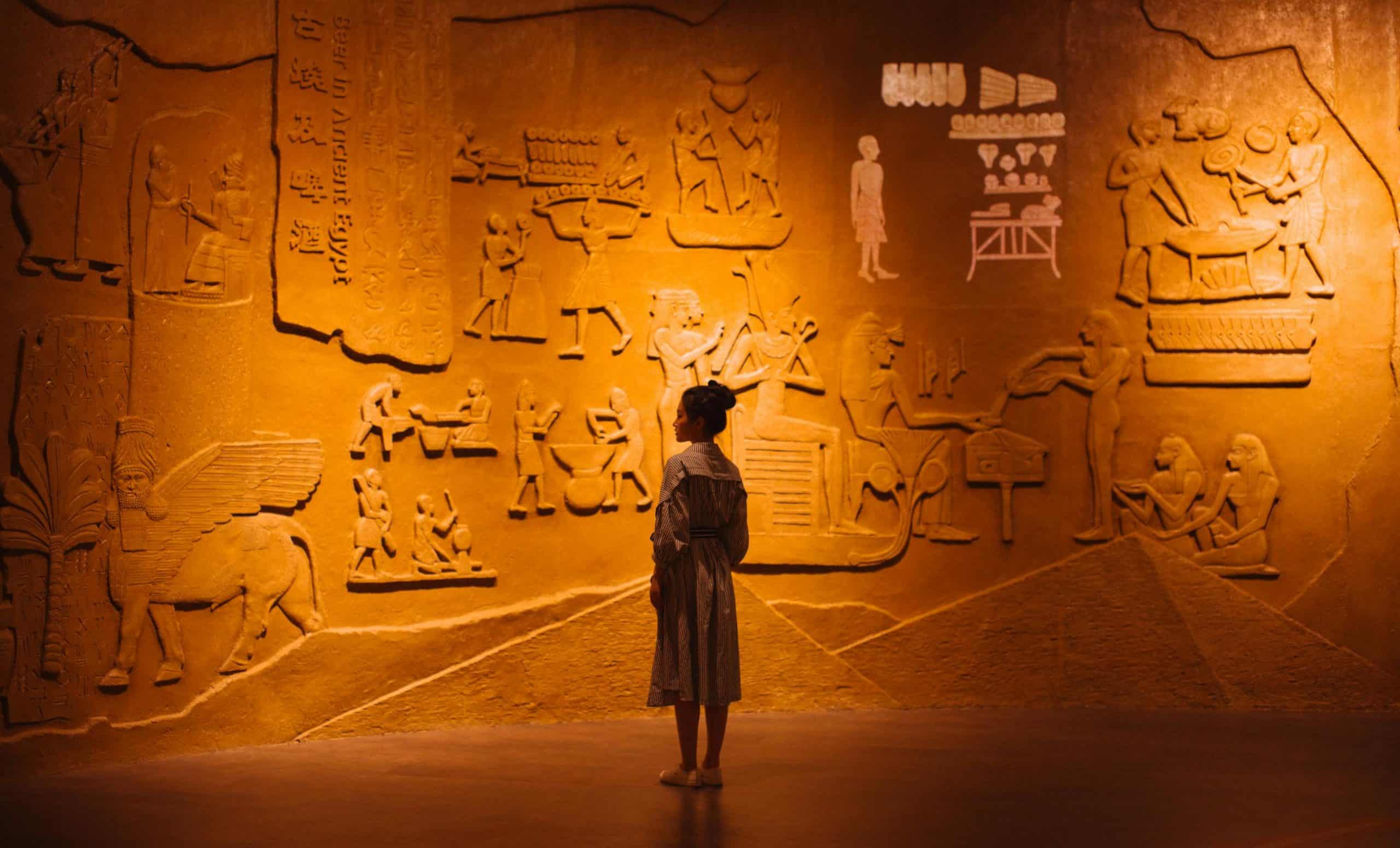
Many think of mind-altering substances as a modern curiosity, but ancient civilizations understood their power long before contemporary scientific research. From South American shamans brewing ayahuasca to Egyptian priests using blue lotus, these substances were tools for healing, spiritual insight, and self-discovery. Ancient cultures didn’t use them for escape—they respected their ability to unlock more profound understanding and emotional transformation. Science is now proving what these cultures already knew. Brain imaging studies reveal how these substances alter perception, increase neuroplasticity, and help people break free from harmful thought patterns. With this in mind, researchers are reexamining historical records, traditional rituals, and scientific evidence. What once seemed like mystical folklore now has measurable effects on the brain. This article explores how ancient wisdom and modern science align, revealing a deeper understanding of consciousness and mental health.
From Ancient Healing Rituals to Modern Treatment
Ancient cultures respectfully approached mind-altering substances, using them in structured rituals for healing and self-discovery. These traditions saw them as tools rather than threats, incorporating them into religious and medicinal practices. Oppositely, colonial influences, religious doctrines, and shifting societal values led to strict bans and criminalization. What was once sacred became stigmatized, forcing these substances underground.
The 20th-century war on drugs intensified this shift, treating psychedelics and plant-based medicines as dangerous. However, modern research is proving their potential in mental health treatment. Studies on psilocybin, ayahuasca, and MDMA reveal their ability to help with PTSD, depression, and addiction. As scientific support grows, legal restrictions are loosening, opening the door for controlled therapeutic use.
Over time, the evolution of treatment centers has reflected changing perspectives on substance use and recovery. While early rehabilitation programs focused on abstinence, many now explore alternative therapies, including psychedelic-assisted treatment. Modern medicine is beginning to recognize what ancient cultures understood—these substances can play a role in healing when used with guidance and intention. Here is how it all began.

The Power of Plants: How Ancient Civilizations Discovered Mind-Altering Substances
Ancient civilizations didn’t stumble upon mind-altering substances by chance. They studied plants, observed their effects, and passed down knowledge through generations. Indigenous groups found that certain roots, leaves, and fungi could shift perception, ease pain, or unlock deeper awareness. These discoveries were not about entertainment—they carried meaning and purpose. Shamans and healers used these plants in structured rituals to guide individuals through spiritual or emotional experiences.
Today’s recreational use often lacks the intention that made these substances powerful in ancient times. Healers prepared them carefully, controlled dosages, and ensured the right setting. Modern researchers are studying how these plants affect the brain. Their findings confirm what ancient traditions understood—these substances hold the potential for healing, self-discovery, and expanded consciousness.
The Psychedelic Traditions of the Amazon
For centuries, Amazonian tribes have regarded ayahuasca as a sacred brew integral to their cultural and spiritual practices. Shamans prepared this potent concoction by combining the Banisteriopsis caapi vine with leaves rich in DMT, such as Psychotria viridis. Consuming ayahuasca induces altered states of consciousness, facilitating profound visions and deep introspection.
In recent years, scientific research has begun to explore ayahuasca’s potential therapeutic benefits. A study published in Scientific Reports investigated its effects on mental health and quality of life in naive users. The findings indicated significant reductions in depression and psychopathology, with improvements persisting over six months. These results suggest that ayahuasca may offer a novel approach to treating certain mental health conditions. Functional MRI scans reveal changes in brain regions associated with emotion and memory processing, shedding light on the neural mechanisms underlying its profound psychological effects.
Ancient Egypt’s Blue Lotus
Ancient Egyptians valued the blue lotus for its ability to induce relaxation and alter perception. It appeared in artwork, religious texts, and burial sites, often associated with spiritual rituals and celebrations. Pharaohs and priests infused it into wine or brewed it as tea, believing it could bring a state of calm and heightened awareness.
Modern research has uncovered the science behind these effects. The plant contains aporphine, which interacts with dopamine and serotonin receptors. This interaction promotes mild euphoria, reduces stress, and enhances mood. Unlike more potent substances, the blue lotus produces a more subtle effect, similar to deep meditation or light intoxication.
Scientists continue to investigate its therapeutic properties. Some believe it may help with anxiety and sleep disturbances.

Greece’s Mysterious Kykeon: A Psychedelic Secret?
The Eleusinian Mysteries, one of ancient Greece’s most sacred rites, centered around a mysterious drink known as kykeon. This beverage played a significant role in initiations, where participants sought spiritual enlightenment. Historical accounts describe the experience as life-changing, leaving those who drank it with a renewed perspective. The exact recipe remains unknown, but many scholars believe it contained psychoactive compounds that altered perception and heightened awareness.
Researchers have explored the possibility that kykeon contained ergot, a fungus that grows on grains and produces compounds similar to LSD. This theory suggests that the drink triggered altered states of consciousness, allowing initiates to experience visions and emotional breakthroughs.
Modern studies on psychedelic substances reveal effects that align with these descriptions. Brain scans show increased connectivity between neural networks, similar to what occurs under the influence of LSD or psilocybin.
Native American Peyote Rituals
For centuries, Indigenous tribes in North America have used peyote in ceremonies designed to promote healing, self-reflection, and spiritual connection. The Native American Church continues this tradition, viewing the plant as a sacred medicine rather than a recreational substance. Ceremonies often take place overnight, guided by experienced leaders who create a structured and intentional space for those participating.
Modern research confirms that peyote interacts with serotonin receptors in the brain, much like psilocybin and LSD. Studies suggest it enhances introspection, emotional processing, and connection to deeply held beliefs. Participants often report a greater understanding of themselves and their place in the world. On the other hand, Indigenous traditions emphasize respect for peyote, limiting its use to spiritual and communal settings rather than casual experimentation.

What Science Still Needs to Learn from Ancient Practices?
Ancient cultures understood the effects of mind-altering substances long before modern science began to study them. Healers, shamans, and spiritual leaders played a significant role in shaping the experience, ensuring that those who participated were supported before, during, and after. While research now confirms many of their benefits, much is still unknown. In the future, science needs to explore long-term effects. While short-term studies show promise for mental health treatment, there is limited data on repeated use over many years. Some ancient traditions involved these substances only a few times in a lifetime, while others used them more frequently.
Understanding the risks and benefits of different approaches is essential for responsible use in modern medicine.
Future research should also examine the importance of set and setting. Ancient rituals incorporated music, guidance, and community support, which may have contributed to positive outcomes. Consequently, integrating traditional wisdom with medical advancements could lead to safer, more effective therapies for mental health and personal growth.
Conclusion
Ancient cultures understood the power of mind-altering substances, using them with the intention of healing and spiritual growth. Over time, shifting beliefs led to prohibition and stigma, but science is now validating their benefits. Studies confirm their potential for treating mental health conditions while researchers continue to explore their long-term effects. On the other hand, ancient traditions emphasized structure, guidance, and respect—factors that modern medicine is beginning to recognize. With this in mind, integrating traditional wisdom with scientific advancements could lead to safer and more effective treatments. The past holds valuable lessons, and science is only beginning to catch up.
Copyright @smorescience. All rights reserved. Do not copy, cite, publish, or distribute this content without permission.
SUBSCRIBE TO OUR NEWSLETTER
.......... ..........Subscribe to our mailing list to get updates to your email inbox.
Monthly Newsletter