Your brain is like a dynamic and constantly evolving landscape. This concept is rooted in the idea of neuroplasticity , a term that sounds complex but is actually a fundamental aspect of how our brains work. Neuroplasticity refers to the brain’s remarkable ability to reorganize and adapt. It allows our brains to form new connections and pathways as we learn and experience new things. But how can we boost this incredible ability?
The science behind neuroplasticity: How our brains adapt and change
At its core, neuroplasticity is about change. Our brains are not rigid structures; they are more like plastic, capable of being molded and shaped throughout our lives. This adaptability plays a crucial role in learning new skills, recovering from brain injuries, and overall cognitive health. Studies have shown that various factors, from lifestyle choices to specific training, can significantly influence our brain’s plasticity. By understanding these factors, we can learn to enhance our brain’s flexibility and responsiveness, leading to improved memory, learning, and cognitive abilities.
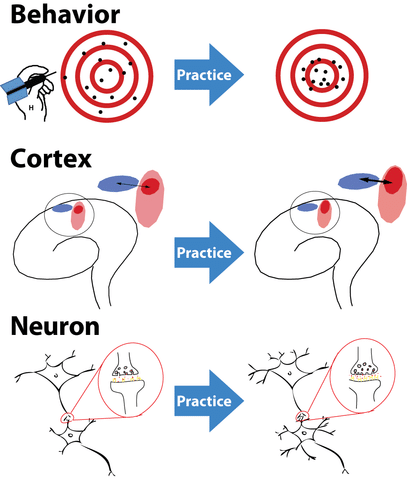
Brain neuroplasticity after practice, Credit; Wikimedia/Bokkyu Kim
Myth: Neuroplasticity stops at the age of 30
One common misconception is that neuroplasticity is only robust during childhood. While it’s true that our brains are incredibly adaptable in our early years, research has busted the myth that neuroplasticity significantly diminishes with age.
Our daily habits and lifestyle choices can profoundly impact our brain’s plasticity. Factors such as diet, exercise, and sleep play pivotal roles. A diet rich in omega-3 fatty acids , antioxidants, and vitamins has been linked to improved brain function and neuroplasticity. Similarly, regular physical exercise, especially aerobic exercises , has been shown to boost brain health and cognitive function . Not to be overlooked, adequate sleep is essential for the brain to consolidate learning and memory, a key aspect of neuroplasticity.
Just like muscles, our brains benefit from regular exercise. Engaging in mentally stimulating activities, such as learning a new language, playing musical instruments, or even complex puzzles, can enhance neuroplasticity. Studies have shown that individuals who regularly engage in cognitively demanding activities tend to have better mental acuity and higher levels of brain plasticity
Mindfulness and meditation are not just for relaxation. Research has shown that these practices can significantly impact neuroplasticity. Regular meditation has been linked to changes in brain regions associated with memory, self-awareness, and empathy.
Humans are inherently social beings, and our interactions with others can influence our brain’s plasticity. Engaging in social activities, building meaningful relationships, and even simple acts of socializing can stimulate our brains. Research in the field of social neuroscience has shown that social interactions play a significant role in brain health and neuroplasticity, emphasizing the importance of a rich social life for cognitive well-being.
While positive experiences can enhance neuroplasticity, chronic stress can have the opposite effect. Prolonged stress has been linked to reduced plasticity and cognitive function. However, stress management techniques can mitigate these effects, such as relaxation exercises, yoga, and time in nature.
The field of neuroplasticity is not just about understanding how our brains work; it’s also about harnessing this knowledge for therapeutic purposes. In areas like stroke rehabilitation and the treatment of neurodegenerative diseases , the principles of neuroplasticity are being applied to develop innovative therapies.
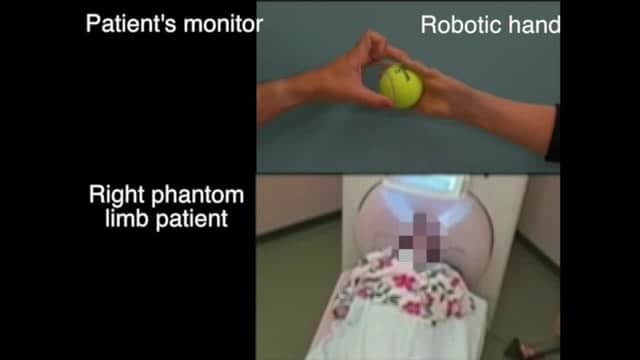
Induced Sensorimotor Brain Plasticity in Phantom Limb Patients, Credit; Wikimedia/Yanagisawa T
Glossary
Neuroplasticity: The ability of the brain to reorganize and form new neural connections throughout life, allowing for learning and adaptation to new experiences or after injury.
Cognitive Function: Mental processes that include thinking, reasoning, problem-solving, perception, and memory.
Omega-3 Fatty Acids: A type of essential fat, beneficial for brain health, found in foods like fish and flaxseeds.
Aerobic Exercise: Physical exercise that increases the heart rate and improves oxygen consumption by the body, beneficial for brain health.
Consolidation (in context of sleep): The process during sleep where the brain strengthens and stabilizes newly formed memories.
Cognitively Demanding Activities: Tasks or activities that require significant mental effort and engagement.
Mindfulness: A mental practice of focusing one’s attention on the present moment, often as a part of meditation.
Neurodegenerative Diseases: Disorders characterized by the progressive loss of structure or function of neurons, including Alzheimer’s and Parkinson’s disease.
Social Neuroscience: A field of study that examines how biological systems implement social processes and behavior.
Dr. Sarita Menon is the founder, and Head of Content at Smore Science. With a PhD in cancer research and over 15 years of experience Dr. Menon has honed her skills as a science communicator focused on making complex and important science engaging and understandable to all. Whether reviewing article ideas, working with writers, or editing pieces herself, Dr. Menon’s guiding vision shapes the informative yet captivating content published across both the website and print magazine.