Table of Contents
Introduction
When we talk about menopause, it’s almost always in the context of women. But aren’t you surprised that men also go through a similar transition? Often referred to as andropause or “male menopause,” this phase signifies a drop in testosterone levels in men, usually in middle age. Andropause in men is not a clear-cut end to fertility as observed in women but more about subtle shifts in vitality and health
The science behind andropause
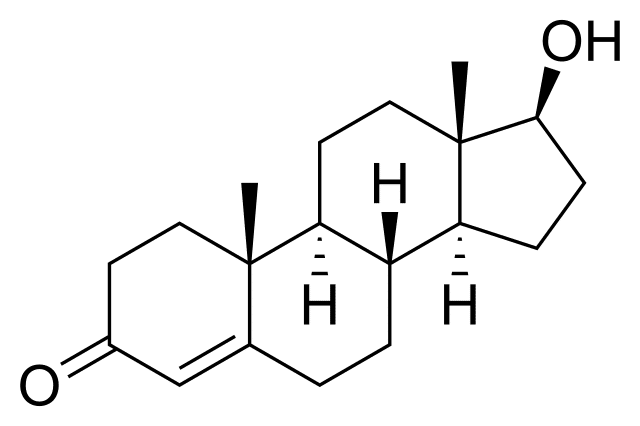
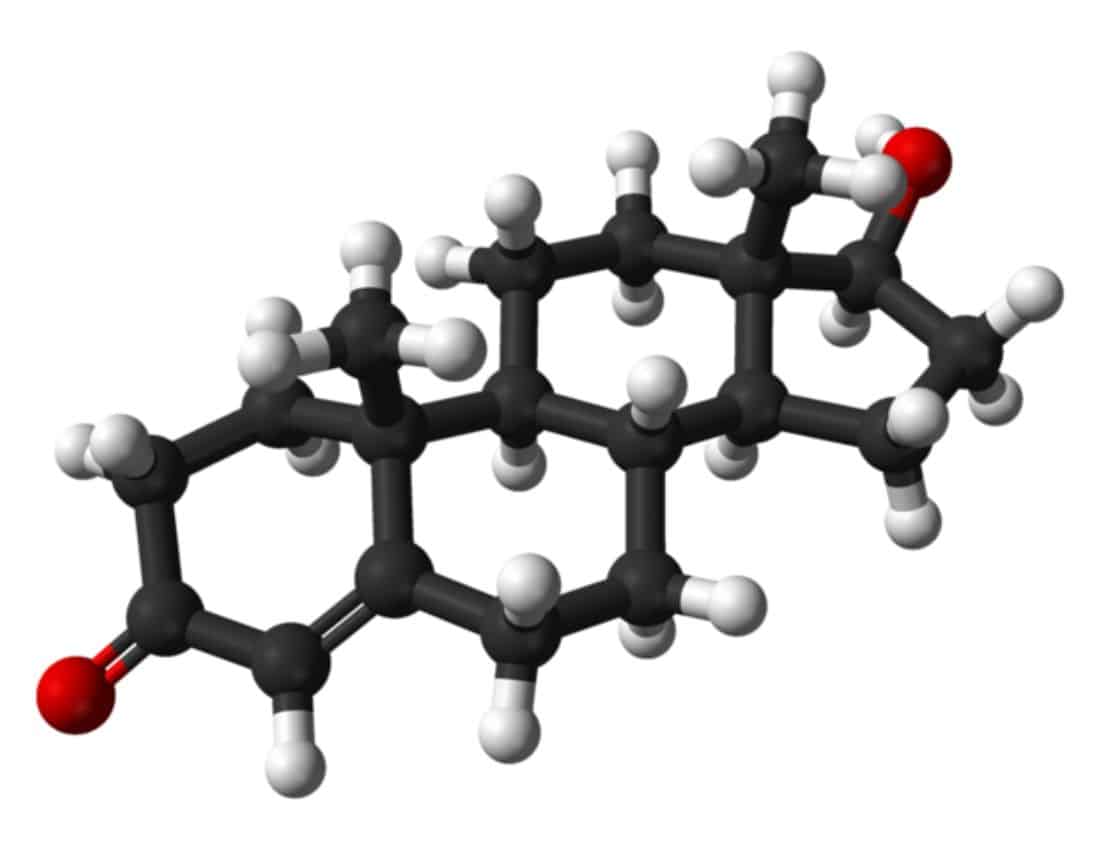
Andropause doesn’t come with the same full stop in reproductive capabilities as observed in women’s menopause. Instead, it is characterized by a gradual decline in testosterone. Testosterone is a hormone that’s synonymous with masculinity and isn’t just about muscle and libido. It is essential for bone density, fat distribution, and red blood cell production. Studies show that men typically experience a 1% decline in testosterone levels per year after the age of 30.

Symptoms of andropause
The symptoms of andropause can be elusive and often mistaken as aging symptoms. They include low energy, decreased motivation, reduced muscle mass, increased body fat, and emotional changes like depression and irritability. It’s a slow shift, and many men equate these changes to getting older, not realizing that they could be related to a decrease in testosterone.
Comparison between andropause and menopause
Unlike women’s menopause, where female hormone levels plummet within a short period, the decline of testosterone in men is gradual. Women may experience hot flashes with a definitive end to their fertility, whereas men’s symptoms are subtle and, hence, often overlooked. This difference in symptoms sometimes makes andropause less acknowledged and discussed.
Diagnosis of andropause
Diagnosing andropause can be tricky. It’s not as simple as measuring testosterone levels, as production of the hormone fluctuates daily. Doctors look for a consistent pattern of symptoms and might conduct multiple tests over time to diagnose andropause. They also have to rule out other conditions that mimic similar symptoms, such as thyroid problems or depression.
Treatment options for andropause
Treatment focuses on alleviating symptoms and improving quality of life. Testosterone Replacement Therapy (TRT) is one common approach, but it’s not without its risks, such as an increased chance of heart disease and prostate issues. Lifestyle changes, like diet and exercise, also play a crucial role in managing symptoms.

The role of lifestyle in managing andropause
A healthy lifestyle can be a game-changer in dealing with andropause. Regular exercise, especially strength training, can boost testosterone levels and improve muscle mass and bone density . A balanced diet rich in nutrients can help manage weight and energy levels. Reducing alcohol consumption and managing stress are other key factors to ward off andropause.
Psychological impact
There’s a significant psychological component to andropause. Men might grapple with feelings of inadequacy or a perceived loss of masculinity. Society’s reluctance to acknowledge andropause only adds to the challenge. Support from family, friends, and counselors can help in navigating this phase.
The importance of awareness
Raising awareness about andropause is important. It’s not just about the physical changes; it’s about understanding the emotional and psychological journey men undergo. Better awareness can lead to greater support systems, more research, and improved healthcare for men experiencing these changes.
Conclusion
Andropause, or male menopause, is a significant phase in a man’s life, marked by a gradual decline in testosterone. It affects physical, emotional, and psychological health. Recognizing, diagnosing, and treating andropause can improve quality of life and help men in this transition.
Glossary
Andropause: A phase in middle-aged men marked by a gradual decline in testosterone levels, often compared to menopause in women.
Testosterone: A primary male sex hormone responsible for developing male sexual characteristics. It also influences muscle mass, bone density, and red blood cell production.
Bone Density: It is a measure of the amount of minerals (such as calcium) contained in a certain volume of bone, indicating its strength and risk for conditions like osteoporosis.
Testosterone Replacement Therapy (TRT): A treatment involving the administration of testosterone to men with low levels of the hormone, often used to address symptoms of andropause.
References
Singh P. (2013). Andropause: Current concepts. Indian journal of endocrinology and metabolism, 17(Suppl 3), S621–S629. https://doi.org/10.4103/2230-8210.123552
Male menopause affects more than five million men. https://www.sciencedaily.com/releases/2010/08/100820115050.htm
Nandy, P. R., Singh, D. V., Madhusoodanan, P., & Sandhu, A. S. (2008). Male Andropause: A Myth or Reality. Medical journal, Armed Forces India, 64(3), 244–249. https://doi.org/10.1016/S0377-1237(08)80105-0
Osterberg, E. C., Bernie, A. M., & Ramasamy, R. (2014). Risks of testosterone replacement therapy in men. Indian journal of urology: IJU : journal of the Urological Society of India, 30(1), 2–7. https://doi.org/10.4103/0970-1591.124197
Contributors
Copyright @smorescience. All rights reserved. Do not copy, cite, publish, or distribute this content without permission.
SUBSCRIBE TO OUR NEWSLETTER
.......... ..........Subscribe to our mailing list to get updates to your email inbox.
Monthly Newsletter