Table of Contents
Menopause , a natural part of aging for women, is often shrouded in mystery and misconception. Yet understanding its stages is crucial for effectively navigating this significant life transition. In this article, we demystify menopause and present it in a clear, accessible manner.
Before delving into the stages, it’s important to understand menopause. It marks the end of a woman’s reproductive years when her ovaries cease producing hormones like estrogen and progesterone . This biological change typically happens between the ages of 45 and 55 but can vary widely.
Perimenopause stage
Perimenopause is the onset phase of menopause. It can start years before menopause, with changes in menstrual cycles being a common sign. Symptoms like hot flashes, sleep disturbances, and mood swings can occur. Research suggests these symptoms are due to fluctuating hormone levels during this stage.
The menopause transition
The actual transition to menopause is marked by the cessation of menstrual periods for 12 consecutive months. This milestone signifies that the ovaries have stopped releasing eggs and producing most of their estrogen. It’s a definitive point, confirming that menopause has occurred.
Postmenopause
Postmenopause is the period following menopause. During this stage, many of the symptoms experienced during perimenopause may lessen. However, the lowered estrogen levels can lead to health concerns like osteoporosis and heart disease.
Symptoms and management
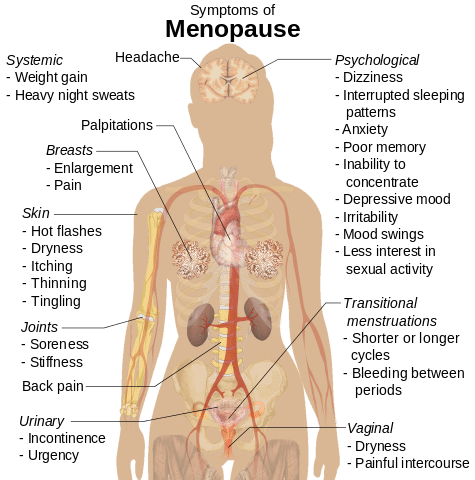
While a natural process, menopausal hormonal fluctuations catalyze physiological and psychological changes. Declining estrogen and progesterone underlie common menopausal symptoms like hot flashes. Estrogen strongly influences body temperature regulation in the hypothalamus, the brain’s thermostat. With this plunge, the hypothalamus occasionally misreads external temperatures, triggering intense heat sensations. Estrogen loss also impacts vaginal tissue elasticity, causing dryness.
Supplementing hormones can alleviate associated discomforts. However, an intricate balance of risks and benefits exists with hormone therapy . Scientific evidence links extended high-dose estrogen replacement to increased cancer and stroke probability. Experts recommend the lowest effective doses of both estrogen and progesterone for symptom management.
Estrogen intertwinement in the female body cannot be overstated from cellular to systemic levels. Declines accelerate risks for heart disease and osteoporosis. However, lifestyle interventions like exercise and nutrition optimize health despite waning hormones. Understanding menopause physiology allows customization of informed care.
Finally, fluctuating hormones cascade into mood instability and anxiety for some. Brain imaging indicates menopause may decrease serotonin and other neurotransmitters. From handling hot flashes to anxiety, support groups provide community coping strategies.
Understanding the stages of menopause empowers women to navigate this transition with knowledge and confidence. It’s a natural part of life, and it can be managed effectively with the right information and support.

Glossary
Menopause: The time in a woman’s life when her menstrual periods permanently stop, marking the end of her reproductive years.
Perimenopause: The transitional phase leading up to menopause, characterized by changes in menstrual cycles and symptoms like hot flashes.
Estrogen: A hormone produced by the ovaries, crucial for the reproductive system and overall health of women.
Progesterone: Another hormone produced by the ovaries, playing a key role in regulating the menstrual cycle and maintaining pregnancy.
Osteoporosis: A condition characterized by weakened bones, making them fragile and more prone to fractures, often associated with postmenopausal women due to decreased estrogen levels.
Hormone Therapy: A treatment used to relieve symptoms of menopause by replacing hormones that are at a lower level as women age.
References
“Menopause 101: A primer for the perimenopausal” – North American Menopause Society
“Menopause Transition: Insights and Management” – Obstetrics and Gynecology Clinics of North America
“The effects of hormone changes during menopause” – Journal of Endocrinological Investigation
Contributors
Copyright @smorescience. All rights reserved. Do not copy, cite, publish, or distribute this content without permission.
SUBSCRIBE TO OUR NEWSLETTER
.......... ..........Subscribe to our mailing list to get updates to your email inbox.
Monthly Newsletter