Across the globe, the emphasis on school security has intensified significantly in recent years – a trend driven by an increasing number of threats and incidents that raise concerns about student safety.
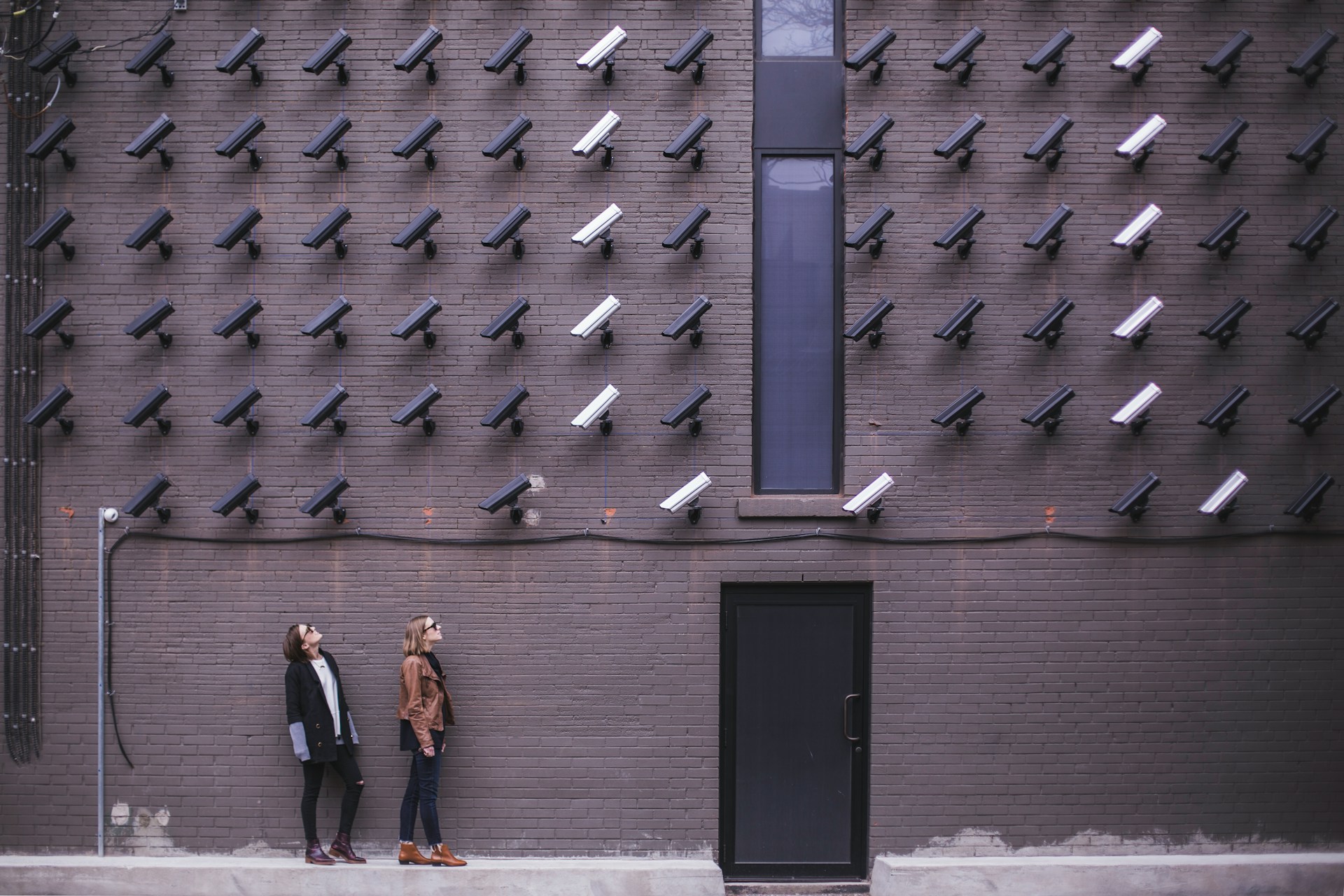
Nearly all U.S. public K-12 schools have adopted various security measures to ensure the safety of their students and staff. For instance, 97% of schools have implemented controlled access during school hours, and 98% require visitors to sign in and wear badges. Additionally, 91% of schools use security cameras to monitor activities, and 83% provide staff with two-way radios for communication during emergencies. This high adoption rate of school alarm systems reflects the priority placed on visual monitoring and surveillance within educational environments. The presence of security cameras varies slightly by school level, with 93.6% of high schools, 91.5% of middle schools, and 77.9% of elementary schools equipped with this technology.
The introduction of these security measures has been necessary due to an increase in school violence and threats over the years. Although these security measures are designed to foster a safer school environment, research suggests they may also increase students’ perceptions of being watched and elevate their anxiety levels. This heightened state of surveillance can significantly affect their psychological health and, consequently, their academic performance. As schools adopt increasingly stringent security protocols, it’s essential to balance these measures with their fundamental mission: providing quality education.
Increased Safety or Increased Stress?
Of course, the primary objective of implementing stricter security measures in schools is to ensure the safety of students and staff. Theoretically, measures such as metal detectors, surveillance cameras, and police presence, should create a safer learning environment that is conducive to education; however, the presence of such security measures can also induce stress and anxiety among students. Studies have shown that the militarization of school environments can actually make students feel like they themselves are under constant surveillance, which can be psychologically distressing; the feeling of being monitored continually can lead to a decrease in student engagement and a lack of feeling safe or at ease – critical components of effective learning.
Educational Disruption vs. Educational Assurance
There has been a significant increase in the presence of security staff in schools. As of the 2019-20 school year, about 65% of public K-12 schools had security personnel present at least once a week, up from 43% a decade earlier. Approximately 51% of these schools have at least one sworn law enforcement officer who routinely carries a firearm.
Consistent with prior years, the vast majority of schools have comprehensive plans for emergencies, including active shooter situations. In more recent surveys, 96% of schools reported having a written plan for such scenarios, and 98% conducted lockdown drills to prepare students and staff for potential threats. Security protocols such as frequent lockdown drills, bag checks, and other procedures, can disrupt the daily routine, leading to lost classroom time and a general disruption to the educational process.
For example, when schools conduct regular drills, they may interrupt classes and other school activities. While these drills are essential for safety, they can diminish the amount of time students spend learning; on the flip side, for some students, knowing that these security measures are in place may provide a sense of assurance that allows them to focus better on their studies.
The Psychological Impact on Learning
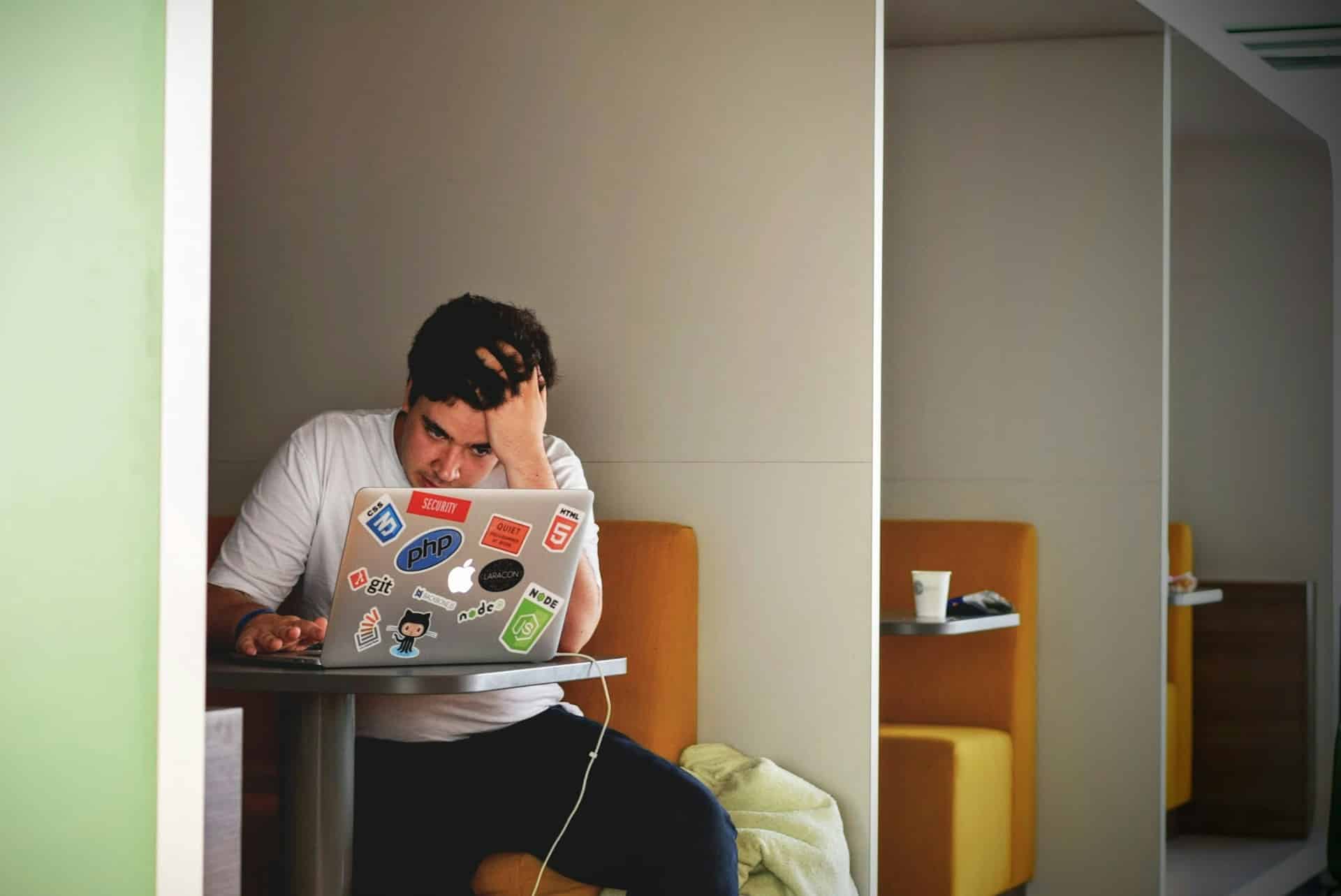
The psychological well-being of students is closely linked to their ability to learn and perform academically. Security measures, while intended to protect, can sometimes create an atmosphere of fear and anticipation of danger. Research suggests that long-term exposure to such environments may result in a range of psychological effects, such as heightened fears, anxiety, and even symptoms of post-traumatic stress disorder (PTSD) – this is particularly relevant to areas in which security measures are a response to previous incidents. These psychological burdens can impair cognitive function, memory, concentration, and overall mental health, directly impacting academic performance.
Equity and Inclusivity Concerns
The implementation of strict security measures can also raise issues of equity and inclusivity. Schools in higher-risk or lower-income areas, for example, might implement more aggressive security measures, which can stigmatize students and communities, reinforcing negative stereotypes and creating a divide between schools based on locality and perceived safety. Furthermore, such measures can disproportionately affect minority students, leading to issues of discrimination and profiling within the school system, with the very real potential to exacerbate existing societal inequities.
Finding a Balance
For school security measures to be effective without adversely affecting student learning, a balanced approach is necessary; this involves integrating security protocols seamlessly with the educational environment to minimize disruption while maximizing safety. Furthermore, schools need to foster open communication with students and parents about security measures and their necessity, which can alleviate some of the stress and anxiety associated with these changes.
Security That Doesn't Come at the Expense of Education
The impact of school security measures on student learning is profound and multi-faceted; while the primary goal of these measures is to protect students, their effects on learning environments, psychological well-being, and educational equity are significant. Moving forward, it’s essential for educators, policymakers, and communities to work together to ensure that security does not come at the expense of education, but instead enhances the learning environment in a balanced and thoughtful way.
Copyright @smorescience. All rights reserved. Do not copy, cite, publish, or distribute this content without permission.
SUBSCRIBE TO OUR NEWSLETTER
.......... ..........Subscribe to our mailing list to get updates to your email inbox.
Monthly Newsletter