Obesity has become one of the most pressing health crises of our time, affecting over 40% of adults in the United States alone. People often think it’s a simple failure of willpower, but the reality is far more complex. Genes, your environment, food desserts, how much you earn and hormones can all affect how your body processes food. This can make weight management extraordinarily difficult, even despite people’s best efforts. For the millions struggling with obesity, new drugs can be essential and represent hope.
Researchers are coming to an unlikely solution to obesity. The problem is, human bodies are just too efficient. A lot of the food we eat is very effectively converted into energy. Mostly, this is useful – we move, use our brains, and pump blood with our hearts. Unused energy gets converted into fat. This team, from the University of Technology, Sydney and the Memorial University of Newfoundland Canada, wanted to make cells less efficient.
By reducing how much food gets converted into useful energy, more energy gets wasted as heat. This leaves less energy to be stored as fat. Researchers have discovered a compound that can do exactly that, and hope that this can be a cure for obesity.
What are common weight loss drugs?
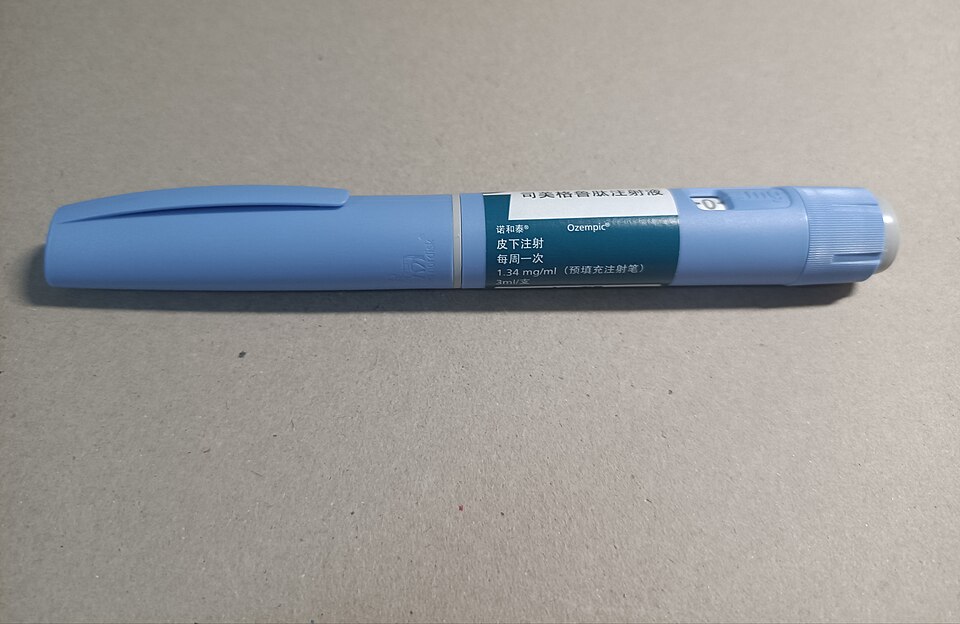
In 2025, it’s unlikely you haven’t heard of Ozempic. It’s a drug that’s part of a new revolution: GLP-1s. These medications work by mimicking hormones that regulate appetite and blood sugar, fundamentally altering the biology of hunger. GLP-1s have been profoundly life changing for so many people. Results have been as good (or even better) than weight loss surgeries! While questions about long-term effects, cost, and accessibility remain, GLP-1 agonists represent the most significant pharmaceutical breakthrough in obesity treatment we’ve ever seen.
This hasn’t always been the case. Historical weight loss drugs were often catastrophically dangerous. In the 1930s, weight loss drugs cooked people from the inside out! Drugs called amphetamines were addictive and could damage the heart. New, safe and well-tested drugs will be vital to help people suffering from obesity.
How were these drugs discovered?
The discovery of these new compounds happened through careful trial and error in the lab. Researchers worked with different molecular building blocks: kind of like LEGOs. The placement of one block made all the difference. With the same blocks one way, the drugs worked gently and safely. But when they reworked it just a little, the molecules became aggressive and risky, acting like the dangerous diet pills from decades ago. Right now, the drug has only been tested on cells.
“It’s been described as a bit like a hydroelectric dam. Normally, water from the dam flows through turbines to generate electricity. Uncouplers act like a leak in the dam, letting some of that energy bypass the turbines, so it is lost as heat, rather than producing useful power.” said researcher Rawling to Science Daily.
The drug is a specially designed fat molecule with a chemical ring structure attached to it. This simple drug helps cells use energy less efficiently.
Why does this matter?
Unlike other weight loss drugs that target our body’s cells, this drug targets the mitochondria.
“Mitochondria are often called the powerhouses of the cell. They turn the food you eat into chemical energy, called ATP or adenosine triphosphate. Mitochondrial uncouplers disrupt this process, triggering cells to consume more fats to meet their energy needs,” said researcher Rawling to Science Daily.
Although more research is needed to understand its long term effects, this drug could be as revolutionary as Ozempic! It could even help people that current drugs can’t help. The more fat loss drugs we discover, the more doctors can help combat the obesity epidemic.
References
Copyright @smorescience. All rights reserved. Do not copy, cite, publish, or distribute this content without permission.
SUBSCRIBE TO OUR NEWSLETTER
.......... ..........Subscribe to our mailing list to get updates to your email inbox.
Monthly Newsletter