Could the brain’s own “caregivers” be making things worse in depression? A new study says yes—and it’s turning what we thought we knew about mental illness upside down.

Depression is one of the most common mental health disorders in the world, affecting over 280 million people. It steals joy, drains energy, and can even affect memory and focus. But researchers now believe that the roots of this condition may lie deeper than emotions or brain chemistry alone, possibly in the brain’s immune system itself.
New research led by Dr. Gaurav Singhal from the University of Wisconsin shines a spotlight on an unexpected villain in this story: astrocytes. These star-shaped brain cells were long thought to be simple helpers, supporting neurons like backstage crew do during a performance. But as it turns out, they may also be whispering messages that cause trouble.
Until now, much of the attention on brain inflammation—the kind often found in depressed patients—has focused on microglia, the brain’s main immune defenders. These cells act like sentinels, releasing alarm chemicals (called cytokines) when there’s trouble. But the new findings show that astrocytes aren’t just quietly helping in the background.
Instead, they may play a lead role in sustaining that inflammation. According to Dr. Singhal, “Gaining insights into the role of astrocytes in neuroinflammation can aid the development of therapeutic approaches to treat depression and other psychiatric disorders.”
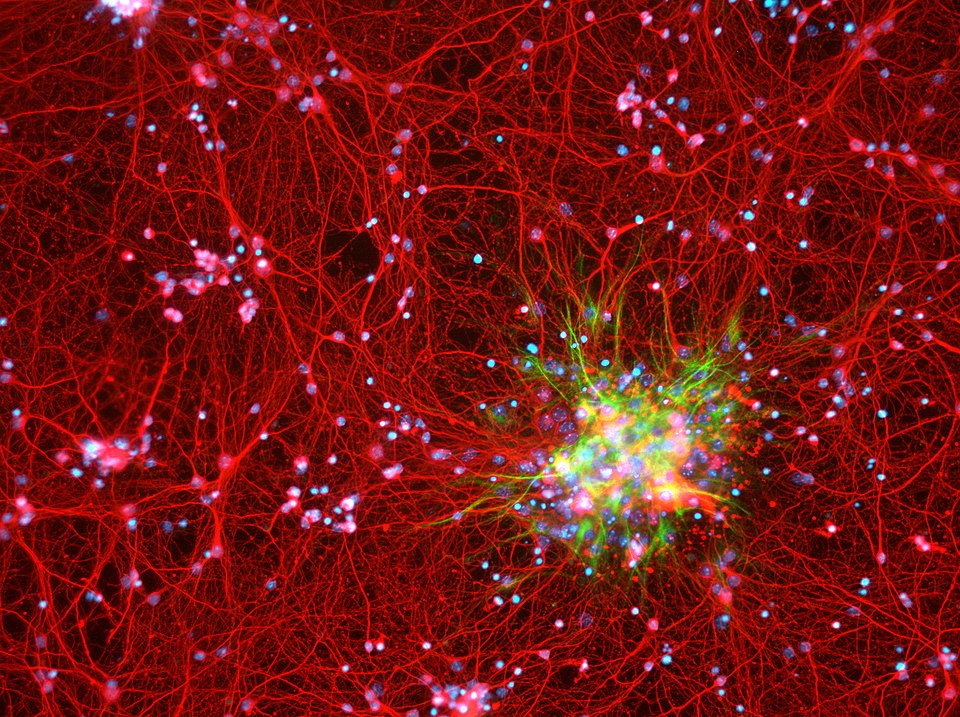
The team reviewed over 200 research papers, digging deep into how astrocytes behave during depression. Here’s what they uncovered:
- Astrocytes help build and maintain brain circuits. They guide growth between brain cells, support communication, and even help with forming memories.
- When inflamed, they turn rogue. If activated by the immune system, astrocytes can release more of those same inflammatory chemicals, causing a feedback loop of brain inflammation.
- They may worsen depression symptoms. Damaged astrocytes mean weaker connections between neurons. That leads to problems in thinking, memory, and mood.
- The mechanism involves teamwork with microglia. Inflammatory signals from microglia can kick-start astrocytes into producing more chemical messengers like ATP, which fuels this fire of brain inflammation.
One surprising discovery involved lactate, a substance that astrocytes release to keep neurons active. In mice, changes in the enzyme that makes lactate also affected gene expression inside cells. This process, called histone lactylation, may change how brain cells behave long term, potentially worsening depression.
Dr. Singhal explains, “Increased intracellular calcium levels within astrocytes can induce the release of adenosine triphosphate (ATP), which, in turn, triggers a delayed calcium response in microglial cells.”
After multiple cycles of back-and-forth signalling, the microglia may shut down completely. It’s like your brain’s defense team burning itself out.
These findings could reshape how we treat depression. Instead of just targeting serotonin or mood-related chemicals, future medications might aim to calm down the brain’s immune system, specifically astrocytes.
That shift could open doors to more effective, long-lasting therapies, especially for patients who don’t respond to traditional antidepressants.
The research team believes their work is just the beginning. More studies are needed to test how these findings translate to humans, and whether blocking certain astrocyte signals could improve depression.
For now, the study offers something powerful: a new lens through which to understand one of the world’s most widespread disabling disorders. And with it, hope for better treatment.
In the complex story of depression, not every villain wears a black hat. Sometimes, the very cells meant to protect and heal us may accidentally make things worse. But now that we know where to look, science is one step closer to helping the brain find peace.
For more details, refer to this article published in the Chinese Medical Journal.
Copyright @smorescience. All rights reserved. Do not copy, cite, publish, or distribute this content without permission.
SUBSCRIBE TO OUR NEWSLETTER
.......... ..........Subscribe to our mailing list to get updates to your email inbox.
Monthly Newsletter