Could your next trip to the bathroom help grow tomorrow’s tomatoes? Scientists say yes—and they’re serious.
A new study by environmental researchers at the Autonomous University of Barcelona shows that human urine could be a surprising ally in the fight for food security and climate sustainability. Rich in nitrogen, one of the key ingredients plants need to thrive, urine may soon play a starring role in urban agriculture. If cities get on board, we might flush away our fertilizer problems.
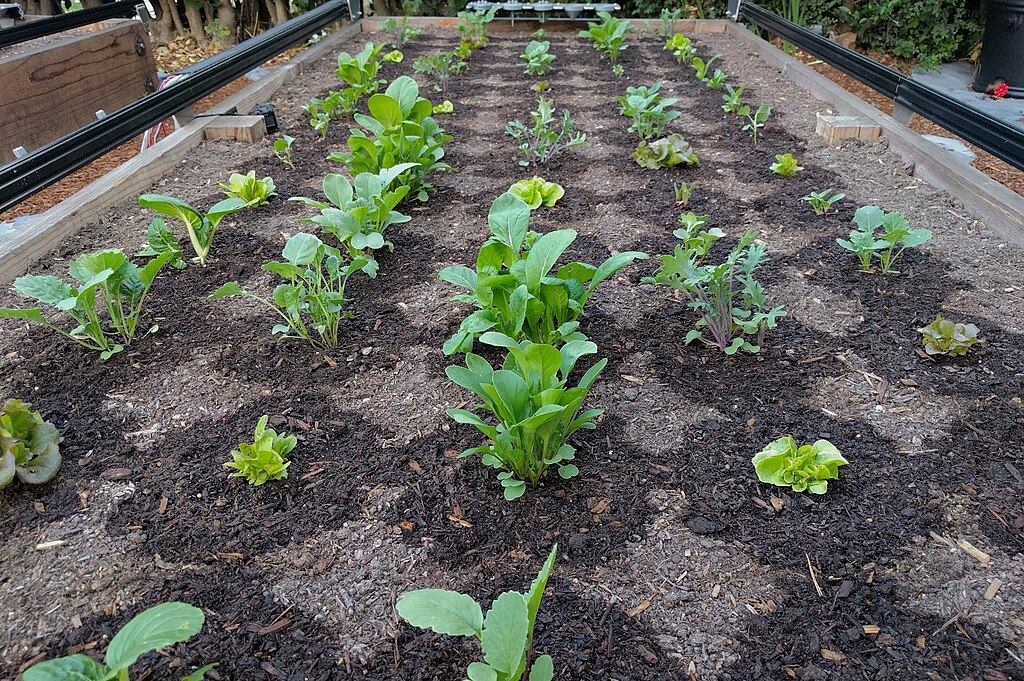
Crops. Credit: Wikimedia Commons/FarmBot
Liquid Gold from Rooftops
In a futuristic building topped with a greenhouse, scientists tested what happens when you treat urine not as waste, but as a resource. Collected from waterless urinals, the liquid was sent to a lab where it met its scientific makeover. There, a reactor mixed the urine with a base chemical to control acidity. Then, tiny microbes got to work, transforming urea, the main compound in urine, into nitrate, a nitrogen form plants love.
What are the results? Tomato plants fed by this “recycled” liquid fertilizer grew successfully without soil. One cubic meter of treated urine could yield 7.5 kilograms of nitrogen, enough to produce nearly 2.4 tons of tomatoes.
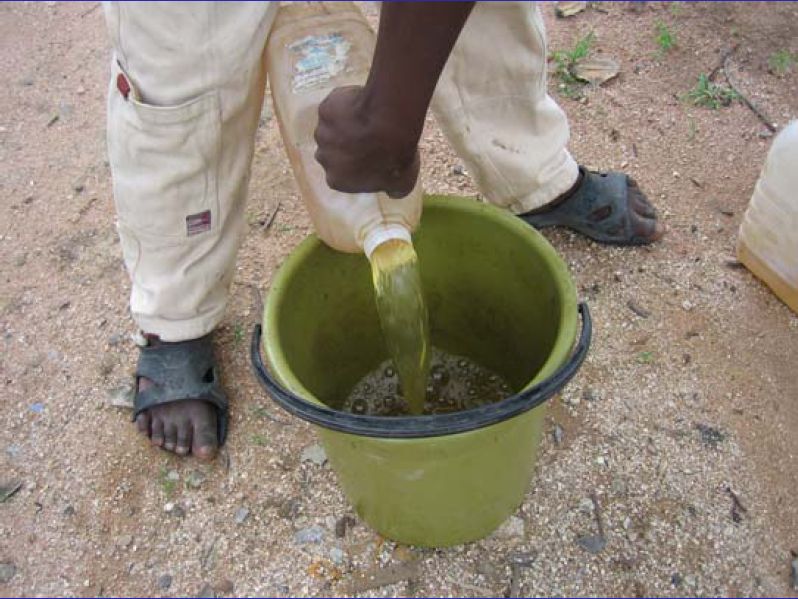
Mixing of urine. Credit: Wikimedia Commons/ SuSanA Secretariat
A Cleaner Way to Grow Food
Why does this matter? Right now, producing nitrogen fertilizer requires fossil fuels like oil and natural gas, contributing to carbon emissions and climate change. As food demand rises,does the pressure to produce more fertilizer, by about one million extra tons per year, according to the Food and Agriculture Organization.
But by recovering nitrogen from urine, we could reduce our dependence on polluting fertilizers, conserve water, and even protect rivers and oceans from toxic runoffs.
“Using human urine to produce fertilizer not only promotes sustainable agriculture, but also lowers water use and carbon emissions,” the researchers say.
Testing the Impact: Is It Worth It?
The scientists compared three different ways of handling urine in a city setting. One option used artificial wetlands. Another, like the one in their experiment, used an on-site reactor to recover nitrogen. The third sent waste to a traditional treatment plant.
While the reactor system (called S2) used more energy than the others, it came out on top in one crucial area—marine health. It drastically cut the risk of nitrogen leaking into oceans and causing “dead zones,” areas where no life can survive due to a lack of oxygen.
The system isn’t perfect—yet. It currently takes 29 years to balance its energy use with environmental benefits. But scale it up, and that payback time drops to 13 years. In other words, with investment and widespread adoption, it becomes a game-changer.
Urban Farms May Never Be the Same
This study is part of a growing global push to turn cities into sustainable food hubs. Rooftop farms, vertical gardens, and local food systems are gaining traction, but they need a reliable, eco-friendly source of nutrients. Urine-based fertilizers might be the missing link.
The study found that the nitrogen collected from just one building could support more than twice the amount needed for the tomatoes grown on its roof. That means city blocks could feed themselves, with help from their residents.
Wait, Is It Safe?
Understandably, you might wonder about the health risks. Could medicine or chemicals from our bodies end up in the food? The researchers are testing for that. So far, early results suggest the fertilizer is safe, but further research is still underway.
With modern technology, age-old ideas about “waste” are being rewritten. Centuries ago, farmers used human and animal waste to nourish their fields. Today, high-tech reactors and lab-grade filters could bring that practice back, cleaner and smarter than ever.
A Greener Flush Toward the Future
As the global population rises and resources get stretched thin, finding sustainable solutions is no longer optional—it’s urgent. This research shows that something as everyday as going to the bathroom could help cities grow food, cut pollution, and save energy all at once.
So the next time you flush, consider this: in the near future you might not just be getting rid of waste, you could be helping grow dinner.
That’s not just science. That’s circular, sustainable living at its finest.