What would drive someone to live for over a year in near-constant cold, battling howling winds, months of darkness, and isolation that stretches hundreds of kilometers in all directions? For a small group of scientists, the answer lies beneath their feet—and above their heads. Earth’s most remote continent, Antarctica, is not just a frozen wasteland. It’s a living lab, holding answers to the planet’s past, present, and future.
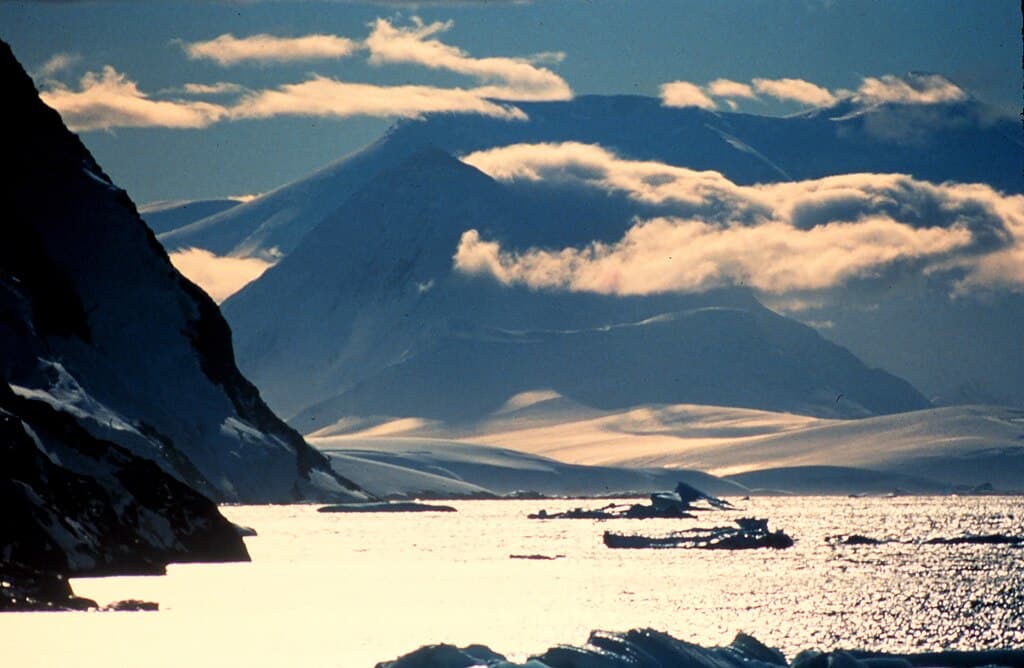
From unravelling the history of Earth’s climate to protecting our future from rising seas, Antarctica plays a much bigger role than its ice-covered silence suggests. According to geomorphologist David William Hedding, this icy giant is one of the most important places on Earth to study global climate change. Its untouched, extreme environment makes it sensitive to the tiniest shifts in temperature, helping researchers understand how the world is changing—and what might come next.
Some of the most powerful scientific discoveries have come from this land of ice. In 1985, researchers discovered a hole in the ozone layer high in Earth’s atmosphere. Their research prompted international action and the Montreal Protocol, which banned ozone-destroying CFC chemicals and helped heal the protective layer above our planet.
And then there are ice cores—cylinders of ice that hold frozen bubbles of ancient air. These samples act like time machines, taking scientists back more than 1.2 million years to show how the atmosphere has changed. It’s by studying these icy relics that scientists are learning how Earth reacts to natural changes—and how it might respond to human-induced climate shifts.
Conducting science in Antarctica is no walk in the park. Researchers at stations like South Africa’s SANAE IV, tucked deep in the icy wilderness of Western Dronning Maud Land, brave extreme isolation and cold for 15 months straight. From there, scientists often travel hundreds of kilometers on snowmobiles, camping in the middle of nowhere to collect rock or ice samples.
The work mostly happens during the brief austral summer, when temperatures are bearable and the sun doesn’t set, offering 24 hours of daylight to make the most of each precious moment. Yet, even in summer, the conditions can be unforgiving, with biting cold and logistical hurdles around every corner.
Why go through all this trouble? Because what happens in Antarctica doesn’t stay in Antarctica. Melting ice here adds water to the oceans, threatening to raise sea levels and disrupt marine life across the globe. As Hedding explains, “The Antarctic is intricately linked to global systems.” Ocean currents, weather patterns, and even the food chain could all be thrown off balance if the Antarctic continues to warm and melt.
These studies don’t just satisfy scientific curiosity—they help prepare communities worldwide for future changes. By understanding how Antarctica’s ice, ocean, and climate interact, scientists can better predict sea-level rise and offer strategies for building resilience against a warming world.
Antarctica may seem distant and desolate, but the work done there has a profound impact on all of us. It takes grit, teamwork, and a deep love of science to survive—and thrive—in one of the harshest places on Earth. But for the dedicated researchers who venture there, the knowledge gained is worth every frozen step. Their mission isn’t just about understanding the ice—it’s about safeguarding our planet’s future, one icy discovery at a time.
Copyright @smorescience. All rights reserved. Do not copy, cite, publish, or distribute this content without permission.
SUBSCRIBE TO OUR NEWSLETTER
.......... ..........Subscribe to our mailing list to get updates to your email inbox.
Monthly Newsletter