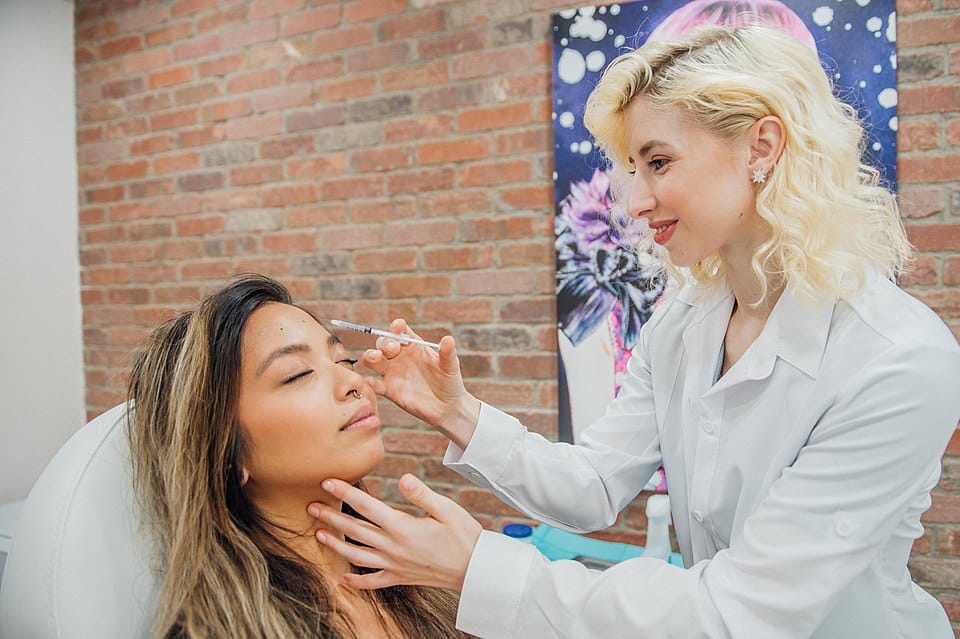
Exosomes are the new trend in the medical field. Touted as a cure-all for diseases ranging from acne and aging skin to neurological diseases such as Alzheimer’s and Parkinson’s, exosomes come with a hefty price tag of over thousands of dollars. However, there is a catch— we don’t know how exosomes work, or even what these tiny blobs of trendy treatment are.
Exosomes are tiny blobs that bud off from cells, like those of the umbilical cord and salmon testicles, and have different contents present in them. Even cell biologists are unsure of how beneficial—or dangerous —exosomes are. Typically, exosomes are administered by injection or spray.
Exosome treatments have not yet undergone rigorous trials. The US, UK, parts of Europe, South Korea, and Japan have seen an explosion in the use of exosome-based products, despite the absence of medical approval in these countries. The global market for exosome skin-care products was valued at $256 million in 2023 and is projected to grow to $674 million over the next six years, despite being a relatively new concept in the medical world.
At first, exosomes were viewed as “trash bags” of the cell, pinched-off portions of the cell that shuttled out waste products. However, new evidence suggests that exosomes might be acting as a “middleman” in signaling pathways. For example, cancer cells may utilize these exosomes to send signals that facilitate tumor growth. The mystery surrounding what exactly is present inside exosomes remains prevalent. Cell biologists believe that exosomes contain proteins, lipids, and other biomolecules that are produced during cell metabolism. Some scientists claim that they also contain DNA and RNA. However, not everyone is convinced.
Exosomes are small, approximately 70 nm in width, making it challenging to analyze their contents. Other than that, there is hardly any information about when exosomes are released by cells. Most cells release exosomes at a steady pulse; some release a lot of exosomes, like immune cells, while others release a smaller number of exosomes, like cancer cells. However, scientists have no idea why this is the case, says James Edgar, who studies exosomes and similar vesicles at the University of Cambridge in the UK.
Many cpare selling exosomes derived from human cells, including those from the umbilical cord and placenta, while others are selling exosomes acquired from plants and animals. Clinics around the world define exosomes as cosmetic products. However, practitioners using exosomes are not allowed to make claims about the health benefits of exosome treatments.
Dev Patel, who holds a medical degree and a postgraduate diploma in dermatology, utilizes exosomes at his “anti-aging and skin rejuvenation” clinic, Perfect Skin Solutions, in the UK. In his eyes, customers are less interested in treatments that merely give the impression of youth, but are more drawn to methods that actually rejuvenate the skin. Naturally, the patients have caught on to the benefits of exosomes.