A mysterious illness struck Kira, a once lively and playful cat, leaving her lethargic and struggling to breathe. Within days, her condition worsened, and her owner, Tim Hanson, was faced with a heartbreaking decision. It wasn’t until after her passing that the devastating truth came to light—Kira had contracted bird flu from her raw pet food.
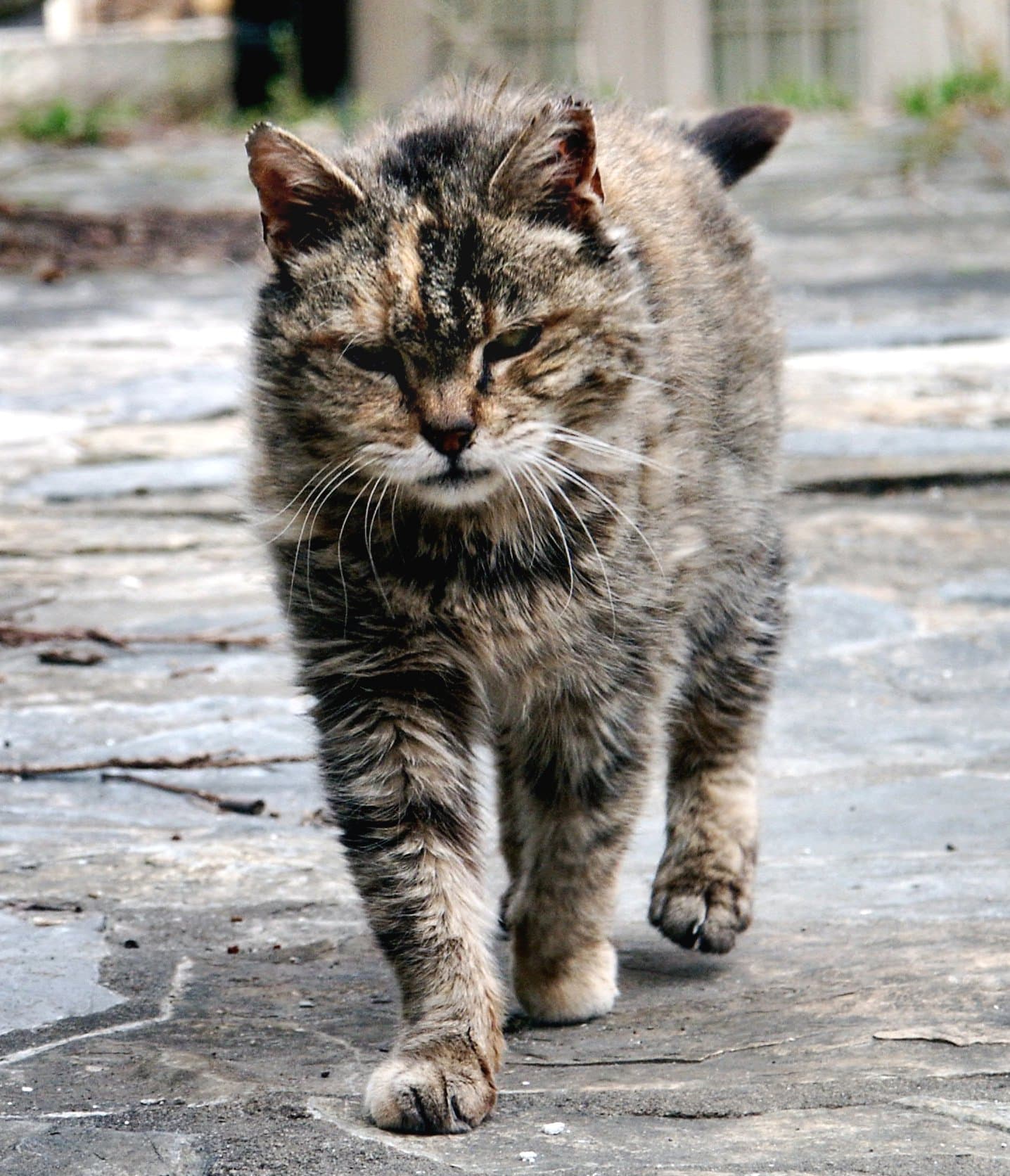
Kira’s case is not an isolated incident. Across the U.S., pet owners are facing similar tragedies as the deadly H5N1 bird flu virus spreads beyond poultry and wild birds. Infections in domestic cats have surged since the beginning of 2024, with more than half of the reported cases in the past two years occurring in just the last few months. Many cats have been exposed through raw food or milk, while others have caught the virus from infected birds.
Unlike other household pets, cats are highly susceptible to the virus. Scientists have found that their bodies contain receptors that make them vulnerable to various flu strains. Once infected, the virus spreads rapidly, causing symptoms such as fever, lethargy, neurological issues, and severe respiratory distress.
While indoor cats face a lower risk, the growing number of cases has experts on high alert. “We see continued reports of cats with bird flu infection from across the country, and it’s kept increasing in the past months,” said Suresh Kuchipudi, professor of infectious diseases and microbiology at the University of Pittsburgh School of Public Health.

Three pet food manufacturers have already issued recalls in the last four months, with the U.S. Food and Drug Administration urging pet food companies to reconsider using raw meat. The risk? Poultry infected with bird flu can end up in the pet food supply, allowing the virus to reach household pets through uncooked meat.
This may include chickens that were culled to stop the spread of the virus. “The animals that were depopulated could potentially have ended up in the food chain for pets,” explained Laura Goodman, an assistant professor at Cornell University. “It’s not uncommon for substandard meat to end up in the pet food chain.”
For some pet owners, the realization has come too late. Steve Werfelmann, whose cat, Leonardo DiCaprio, fell severely ill after consuming raw pet food, now regrets his choice. “When we adopted him, that was the recommended food,” he said. “But then talking to the vet and going through this process, they told us there’s no real scientific evidence to back up raw food being better.”
Raw milk is another source of infection. In California, pet owner Joseph Journell lost two of his beloved cats, Alexander and Tuxedo, after feeding them raw milk. His third cat, Big Boy, barely survived after falling critically ill. Journell was stunned when tests confirmed the presence of bird flu. “It’s the milk,” he said.
The Centers for Disease Control and Prevention (CDC) has warned that dairy farm workers may unknowingly carry the virus home on their clothing and shoes, exposing their pets.
So far, no confirmed cases have shown that infected cats can transmit bird flu to humans. However, scientists fear that as the virus continues spreading in mammals, it could mutate and pose a greater risk.
“We don’t have the evidence, but it doesn’t mean that it may not have happened, or it can’t happen,” said Kuchipudi. Outdoor cats, which often interact with birds, could act as a bridge between infected wildlife and humans. In 2016, a veterinarian in New York City contracted a different strain of bird flu from infected cats at an animal shelter, raising concerns about future outbreaks.
While the risk of infection remains relatively low for indoor cats, experts urge pet owners to take precautions:
- Avoid feeding raw poultry or milk to pets.
- Keep cats indoors to minimize exposure to infected birds.
- Practice good hygiene, especially for those working in agriculture.
Tim Hanson, who lost Kira, hopes his tragic experience will serve as a wake-up call. “I don’t want any more cats dying,” he said. “Hopefully, people can learn from Kira’s passing.”
As bird flu cases in cats continue to rise, veterinarians and researchers are calling for stricter monitoring and preventive measures. The more the virus spreads, the greater the chance of an unexpected turn—one that could impact not just pets, but people too.
Copyright @smorescience. All rights reserved. Do not copy, cite, publish, or distribute this content without permission.
SUBSCRIBE TO OUR NEWSLETTER
.......... ..........Subscribe to our mailing list to get updates to your email inbox.
Monthly Newsletter