What was supposed to be an eight-day mission turned into a nine-month adventure in space. On March 18, U.S. astronauts Suni Williams and Butch Wilmore finally returned to Earth, splashing down in the SpaceX Dragon capsule off the coast of Tallahassee, Florida at 5:57 p.m. EDT. Smiling and giving a thumbs-up as they emerge, their journey home marks the end of a mission filled with unexpected twists. But the real story is just beginning—scientists are now eager to understand how this extended stay in space affected their bodies.
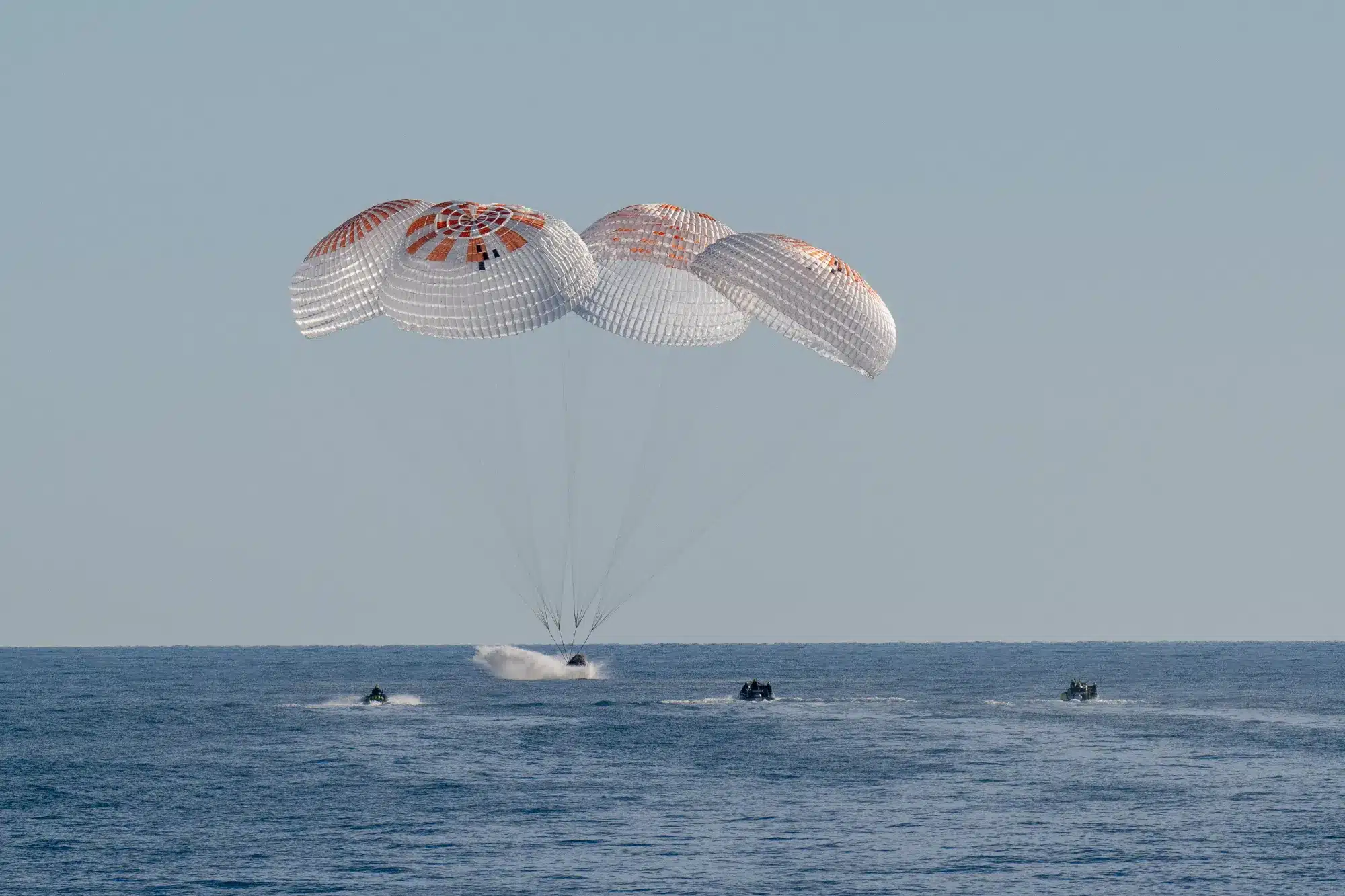
Williams and Wilmore launched on June 5 aboard Boeing’s Starliner for what was meant to be a short visit to the International Space Station (ISS). However, technical problems with the spacecraft delayed their return—leaving them stranded in orbit for over nine months. Eventually, NASA decided to bring them back using SpaceX’s Dragon capsule, leaving the Starliner to return without a crew.
This isn’t the longest time humans have spent in space—Frank Rubio holds the U.S. record at 371 days, while Valeri Polyakov of Russia holds the world record at 437 days. But staying in microgravity for months takes a toll on the body, and researchers are eager to investigate what happened to the astronauts during their extended mission.
Spending months in space can cause dramatic physical changes. Bone and muscle loss, vision problems, brain structure shifts, and weakened immune systems are just some of the known effects. According to Rachael Seidler, an applied physiologist from the University of Florida, “The longer someone has been in space, the larger the magnitude of change.” However, she said that these changes tend to slow down after about six months.
One of the biggest concerns is balance issues. In microgravity, the vestibular system—the part of the inner ear that helps people sense their position—doesn’t work the same way it does on Earth. This means the astronauts may feel dizzy or unsteady for days or even weeks after returning.
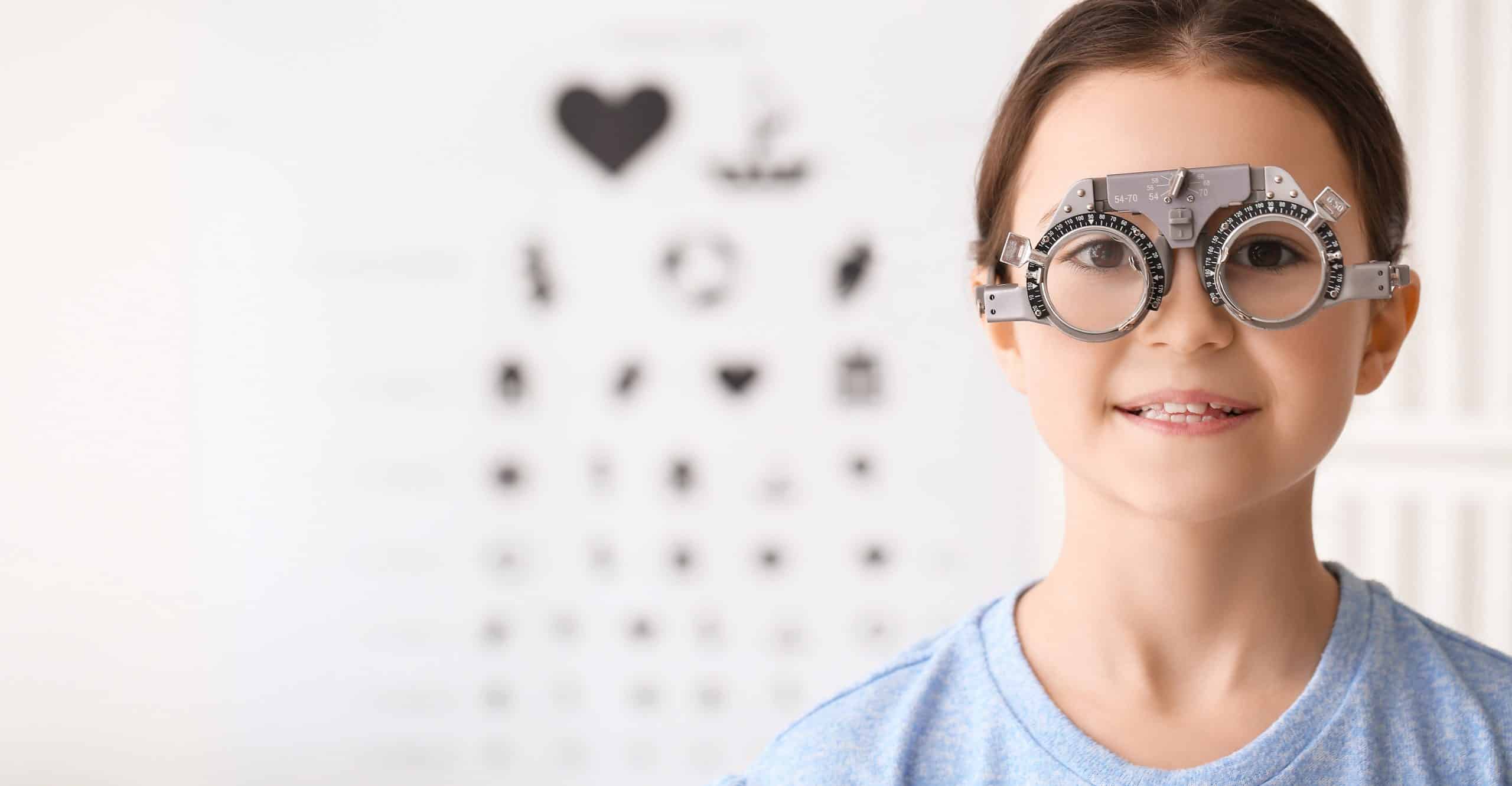
Another major focus is vision changes. Around 70% of astronauts who stay in space for more than six months experience swelling at the backs of their eyes. This can flatten the eyeball and even cause bends in the nerves that carry visual signals to the brain. Scientists want to see if Williams and Wilmore show similar signs.
The astronauts’ immune systems are also under the microscope. Eliah Overbey, a bioastronautics researcher at the University of Texas, points out that past studies have shown DNA changes in immune cells after just three days in space. “We’re wondering how, over time, this could impact the body’s ability to respond to disease,” she says.
NASA will now put Williams and Wilmore through a series of intense tests called Spaceflight Standard Measures. These tests will examine everything from their blood and urine to their cognitive abilities and cardiovascular health. Since the astronauts underwent similar checks before and during their mission, researchers will compare the results to measure exactly how much their bodies changed.
Understanding how space affects the human body is crucial for future missions—especially if we plan to send astronauts to Mars or beyond. Although some physical challenges are expected as Williams and Wilmore readjust to Earth’s gravity, the results from their tests could reveal new health risks, or offer insights into how to keep astronauts safe during long-term space travel.
“Our ability to be competitive in space exploration is going to depend on our ability to keep astronauts healthy,” says Overbey. These studies might even improve healthcare on Earth by teaching us more about how the body responds to extreme conditions.
The next step is to track how quickly Williams and Wilmore recover. NASA scientists will monitor them closely for months, hoping to learn how long the body takes to bounce back—and whether any changes are permanent. This unexpected nine-month detour may have felt like a long wait for the astronauts, but the knowledge they bring back could shape the future of space exploration for years to come.
What started as a short mission turned into a scientific goldmine. As Williams and Wilmore recover on Earth, their journey is far from over—because understanding how humans survive in space may be the key to unlocking the next great leap into the cosmos.
For more details, follow the ongoing research from NASA.
Copyright @smorescience. All rights reserved. Do not copy, cite, publish, or distribute this content without permission.
SUBSCRIBE TO OUR NEWSLETTER
.......... ..........Subscribe to our mailing list to get updates to your email inbox.
Monthly Newsletter