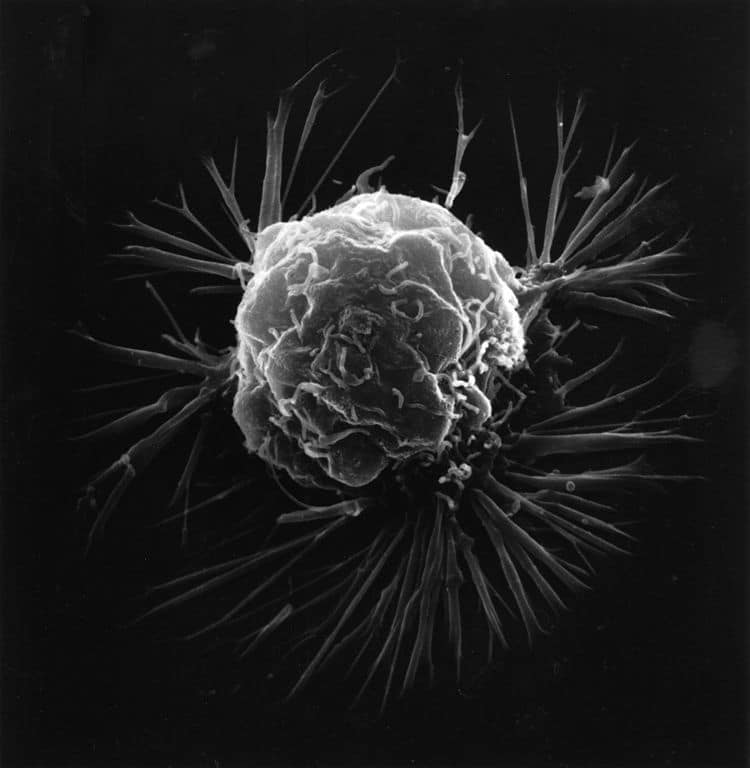
Transplant rejection by the immune system is a major problem during organ transplantation. Usually, our immune system considers the transplanted organ foreign and attacks it. Now, scientists are aiming to use the immune system’s tendency to attack foreign organs by disguising tumors as pig organs. The immune system will naturally go after the seemingly foreign cancerous cells, stopping further tumor growth.
Organs generated from pigs are considered a viable option in organ transplantation. Generally, these organs are bioengineered to prevent antibody response. Antibodies act by recognizing certain sugars studded to the surface of the pig cells, eliciting further immune response. Immunologist and surgeon Yongxiang Zhao at Guangxi Medical University in China saw an opportunity in this response. His idea was to convert tumor cells into pig-like cells and harness the immune response generated against the converted cells, which will ultimately lead to the death of the cancerous cells.
Zhao and his colleagues used a method called oncolytic virotherapy alongside their knowledge of transplant medicine. Oncolytic virotherapy involves using viruses to invade and destroy cancer cells, leaving normal cells unharmed. These virus-infected tumor cells can also provoke an immune response, eventually killing the cancerous cells.
For the therapy to work, Zhao chose the Newcastle disease virus, which is fatal for birds but hardly causes any disease in humans. The virus itself failed to generate an immune response when allowed to infect tumor cells. However, bioengineered versions of the same virus carried genetic instructions for producing an enzyme called α1,3-galactotransferase. This enzyme makes the required sugar studs that can disguise the tumor cell as a pig cell when displayed on the surface. These sugars provoke the immune system and elicit antibody response.
The treatment has given successful results in monkeys and humans. 23 humans with treatment-resistant cancers were part of a clinical trial. Two years later, the size of the tumors shrank significantly, and some even stopped growing. However, some shrank and then began to expand again, while two patients didn’t receive any benefit from the treatment.
Although the early success holds promise, further research needs to be done to check the method’s efficacy. Cancer is a variable disease, which emphasizes why further research is needed, says Masmudar Rahman, a molecular virologist. The immune response generated can be maintained using checkpoint inhibitors (drugs that prevent immune responses from turning off). This can make the method more effective, suggests Samuel Workenhe, an immunologist at the University of Guelph in Ontario.
Rahman also points out that the virus could be shed into the environment by the recipients of this novel treatment, which can lead to diseases in poultry and other birds. Lastly, it is yet to be determined whether the immune response can protect other organs from the Newcastle disease virus. If not, the healthy organ might have to face an immune response that wasn’t directed at it. Zhao plans to address this issue in future studies.
Copyright @smorescience. All rights reserved. Do not copy, cite, publish, or distribute this content without permission.
SUBSCRIBE TO OUR NEWSLETTER
.......... ..........Subscribe to our mailing list to get updates to your email inbox.
Monthly Newsletter