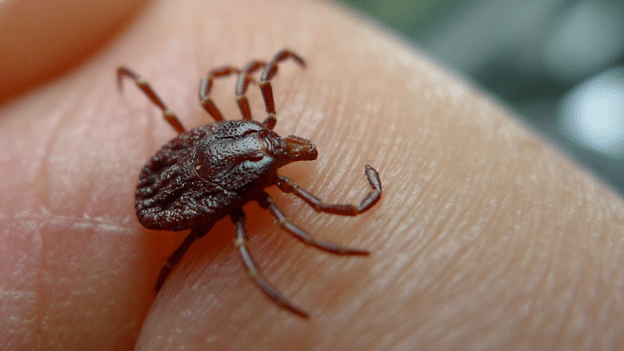
In a new case study, scientists in China have discovered a new strain of wetland virus transmitted by ticks. The virus, first identified in 2019, is associated with major symptoms, including fever, headache, and vomiting. It could have various other implications as it shares similarities with other fatal tick-borne viruses.
A picture of a tick, Credit: Wikimedia Commons
Researchers encountered this virus when a patient from Inner Mongolia, China fell ill due to a tick bite while visiting a wetland park. Upon examining the patient’s blood, scientists discovered a new virus closely related to the fatal Crimean-Congo hemorrhagic fever virus, which has a 30% mortality rate. Both viruses belong to the Nairoviridae family and are known for being transmitted by ticks.
Scientists performed genetic studies to identify the wetland virus. Further research identified 17 additional cases in Northeastern China, suggesting that the virus could pose a larger health threat.
Scientists sequenced the genetic material from a patient’s blood sample, which led to the discovery of an unknown viral strain. The team then conducted ecological studies of ticks and livestock such as sheep, pigs and horses to detect the potential source of the virus.
While the virus has been found in China until now, the source tick species responsible for spreading it is widespread across Europe and Asia, raising the concern that the virus may be even more prevalent than currently understood. The finding describes the importance of a more robust inspection of tick-borne diseases in these regions.
Further research should be conducted to track the virus’s spread and its potential implications for public health.
The discovery of the wetland virus highlights the importance of research on tick-borne diseases. As climate change, including humidity, temperature, and other factors, influences the distribution of ticks, continued research is important to prevent the spread of these illnesses.
Copyright @smorescience. All rights reserved. Do not copy, cite, publish, or distribute this content without permission.
Join 20,000+ parents and educators
To get the FREE science newsletter in your inbox!
SUBSCRIBE TO OUR NEWSLETTER
.......... ..........
Subscribe to our mailing list to get updates to your email inbox.