Introduction
Ever since humanity first gazed at the night sky, the moon has captivated our imagination and curiosity. Among the myriad of myths and folklore, a recurring theme is the influence of the moon’s phases on human behavior and health. But how much of this is based on science, and how much is mere superstition? In this exploration, we’ll delve into the intriguing relationship between the moon’s cycles and human life, separating fact from fiction and shedding light on the latest research about this celestial enigma.
The lunar cycle: A brief overview
Before diving into the effects on humans, let’s first understand the moon’s phases. The lunar cycle, approximately 29.5 days long, includes phases such as the new moon, first quarter, full moon, and last quarter. Each phase results from the moon’s position relative to the Earth and sun, affecting the moonlight we see. Humans have observed these cycles for millennia, forming the basis for calendars in many ancient cultures.
Historical perspectives and myths
Throughout history, various cultures have attributed significant effects to the moon’s phases. The full moon, in particular, has been linked to increased incidents of bizarre behavior, sleep disturbances, and even transformations in folklore. However, it’s important to discern myth from reality. While these stories are rich in cultural heritage, they often need more scientific backing.
Scientific investigations into lunar effects
Scientists have long been intrigued by the potential influence of the moon on human behavior and health. Studies have explored sleep quality, birth rates, and psychological behavior during lunar phases. However, the results have been mixed, with some studies suggesting correlations while others find no significant effects.
Sleep patterns and the moon
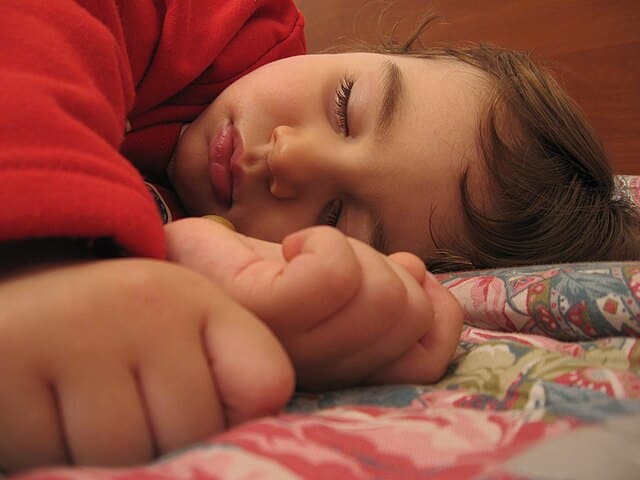
One of the most researched areas is the impact of the moon on sleep. A study published in “Current Biology” showed that individuals took longer to fall asleep around the full moon and had shorter sleep duration. However, it’s crucial to note that this effect was modest and not consistent across all individuals or studies.
The full moon and human behavior
The notion that the full moon triggers erratic behavior is widespread, often known as the ‘lunar effect.’ While this concept is popular in folklore, scientific evidence supporting it is sparse. A comprehensive review in the journal “Frontiers in Pediatrics” found no significant correlation between the full moon and spikes in human behavior or hospital admissions.
Menstrual cycles and the moon
Another area of interest is the potential synchronization of menstrual cycles with lunar phases. Some early studies suggested a link, but more recent research, including a 2020 study in “Science Advances,” has found no significant correlation between the two, indicating that lunar patterns do not influence menstrual cycles.
The moon and birth rates
A common belief is that more babies are born during a full moon. However, scientific studies, such as one published in “The American Journal of Obstetrics and Gynecology,” have debunked this myth, showing no significant correlation between the lunar cycle and birth rates.
Psychological and psychiatric implications
Investigations into the moon’s impact on mental health have also yielded mixed results. While some anecdotal evidence suggests a rise in psychiatric incidents during a full moon, large-scale studies have generally found no significant link.
Conclusion: Balancing myth with science
In conclusion, while the moon’s phases, especially the full moon, have long been subjects of fascination and myth, scientific evidence for their effects on human behavior and health is limited and often contradictory. It’s essential to approach these claims critically, appreciating the cultural and historical significance while relying on scientific methods for validation. As research continues, we may uncover more about the moon’s subtle influences on our lives, but for now, the moon’s effects remain as mysterious as the celestial body itself.
This exploration into the moon’s phases and their effects on humans uncovers a world where myth and science intersect, reminding us of the importance of evidence-based understanding in our quest to unravel the mysteries of the natural world.
Contributors