A bacterium living inside migratory locusts makes a chemical that can protect an injured insect—or attract hungry neighbors.

When a migratory locust is hurt, bacteria inside its body can release a chemical with two very different effects. The smell can help the injured insect fight germs. But if the wound is severe, the same smell can attract other locusts that may eat it.
A smell that changes after an injury
The chemical is called guaiacol. It is a small, airborne molecule that people may recognize as part of the smoky smell of wood fires. In a study published in Nature on November 18, 2026, researchers found that injured migratory locusts released about ten times more guaiacol than uninjured ones.
The team studied young locusts that live in groups. These crowded, group-living insects are called gregarious locusts. When the researchers offered hungry locusts a choice, the insects were more likely to attack a locust that had been injured.
The bacteria behind the smell
The source of the chemical was surprising. A bacterium called Enterobacter hormaechei lives in the locust’s body fluid and gut. After an injury, more of these bacteria gathered near the wound. They made guaiacol using a set of genes that act like a tiny chemical recipe.
The researchers tested this link in several ways. They added guaiacol to uninjured locusts, removed bacteria from some insects, and changed the bacterial genes needed to make the chemical. When the bacteria could not make guaiacol, the smell and the attraction to injured locusts were greatly reduced.
A defense that can backfire
Guaiacol does not only attract other locusts. It also helps the injured insect defend itself. In lab tests, guaiacol helped locusts resist harmful bacteria and a disease-causing fungus. The researchers found that it switched on parts of the insect’s immune system.
This creates a strange trade-off. A small amount of the chemical can help an injured locust fight infection. But when an injury is large, guaiacol levels rise above a point that makes the insect easier for hungry neighbors to find.
The team tested the effect in outdoor mesh enclosures. Each enclosure held 500 hungry locusts and 100 younger locusts. After 24 hours, fewer young locusts remained in enclosures where the prey had been treated with guaiacol. The setup helped show that the smell could affect group behavior beyond a small lab test.
Why this discovery matters
The study shows that an animal’s microbes can shape how other animals behave. A bacterium makes a smell that helps its host fight infection, but that same smell can reveal the host to predators of its own kind. The finding also gives scientists a new way to study how chemical signals affect locust populations.
What scientists still don’t know
The experiments explain how guaiacol works in the locust groups studied. Scientists still need to learn how often this process happens in wild swarms, and whether other microbes or environmental conditions change the effect. The researchers also suggest that cannibalism may spread helpful bacteria between locusts, but that possible benefit needs more study.
How one chemical can have two effects
It shows that microbes can change animal behavior. A chemical that helps one insect defend itself can also make it easier for others to find.
Quick science check
1. What chemical did the bacteria produce?
2. What can guaiacol do at lower levels in an injured locust?
3. Why can high guaiacol levels be dangerous?
- Han, W. et al. “Injury-induced signalling coordinates immunity and cannibalism in locusts.” Nature (18 November 2026). https://doi.org/10.1038/s41586-026-11297-7. Open access, CC BY 4.0.
- Nature Research Briefing: Injured locusts heal or are cannibalized depending on levels of a bacterial odour molecule (18 November 2026).
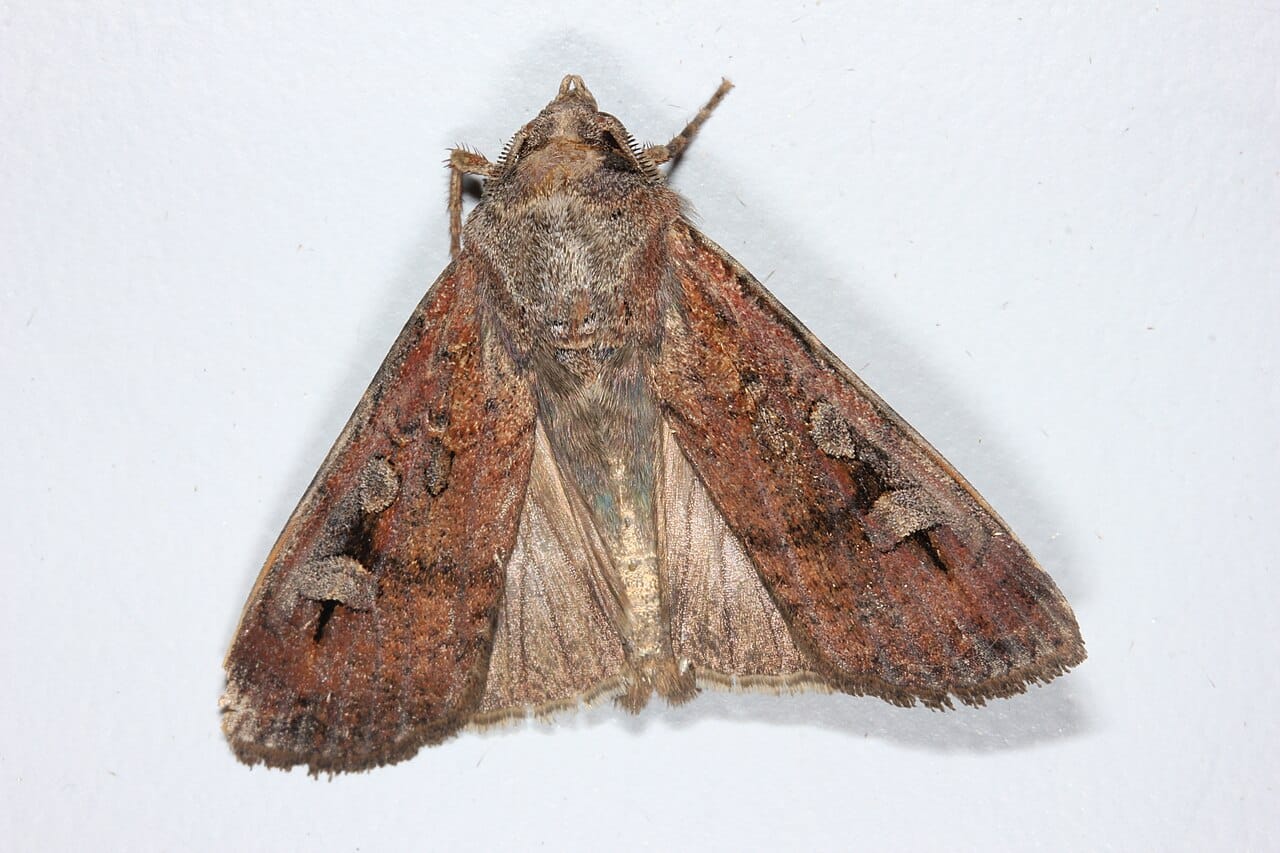
- Image: Michel Lecoq, 3 Migratory locust, Locusta migratoria, Wikimedia Commons, CC BY-SA 4.0.
Editorial note: The photograph is illustrative and is not from the study. The diagram is an original Smore Science explanatory graphic.
Contributors