How Renewable Energy Companies Are Shaping Our Future

In the face of mounting environmental challenges, the shift towards sustainable living has become more than just a trend—it’s a global imperative. Among the champions leading this change are green energy companies and enterprises dedicated to revolutionizing our energy consumption by harnessing renewable resources. This article peels back the layers to reveal the significant role these companies play, their technologies, and their impact on the planet and the economy. By understanding their contributions, we can appreciate the complexities and the necessities of transitioning to green energy.

The journey into the world of green energy companies begins with understanding what “green energy” means. It is the energy produced in a manner that has a minimal impact on the environment. Solar, wind, hydro, and geothermal power are different green energy sources. These technologies starkly contrast with fossil fuels, which have long dominated our energy supply but at a high environmental cost. Green energy companies invest in these renewable technologies, aiming to replace or significantly reduce our reliance on non-renewable, polluting energy sources.

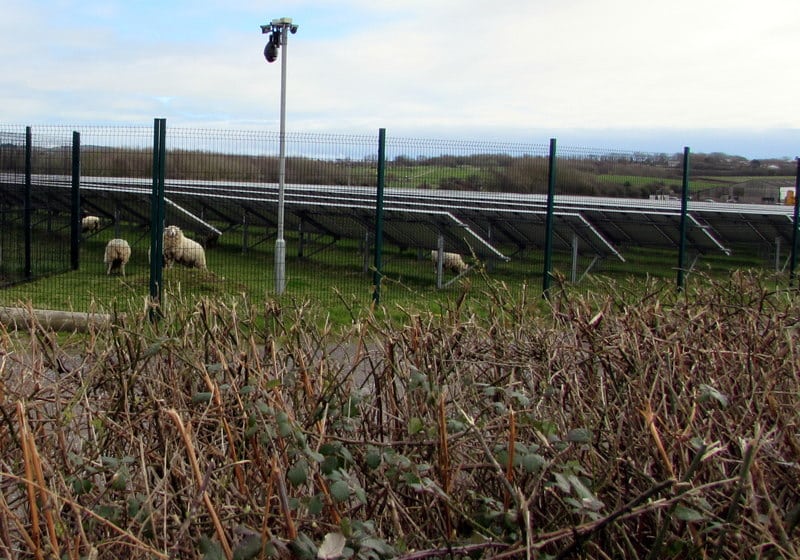
Solar panels
Solar Energy Panels in a Field, Credit: Wikimedia/Jaggery

One might wonder how exactly these companies make a difference. It’s all about the footprint—or, more accurately, the lack thereof. Traditional energy sources release significant amounts of carbon dioxide and other greenhouse gases into the atmosphere, contributing to climate change. Green energy, on the other hand, offers a cleaner alternative, producing little to no emissions. This shift helps mitigate climate change and reduces air pollution, benefiting public health.

The technology behind green energy is both fascinating and rapidly evolving. Solar panels, for instance, convert sunlight directly into electricity, while wind turbines harness the power of the wind. Hydroelectric power generates energy from flowing water, and geothermal plants use the Earth’s internal heat. Each of these technologies has unique challenges and advantages but is committed to a common goal: sustainability.

However, transitioning to green energy is not without its hurdles. The initial cost of green technology can be high, and its efficiency and availability can vary depending on geographical location and weather conditions. Despite these challenges, the long-term environmental and economic benefits make it a worthwhile investment. Studies have shown that renewable energy sources can create jobs and lower energy costs.

The economic impact of green energy companies is profound. By investing in renewable energy, these companies promote environmental sustainability, create new jobs, and stimulate economic growth. The renewable energy sector has created more jobs per unit of electricity generated than the fossil fuel industry, offering new opportunities in various fields, from engineering to construction and maintenance.

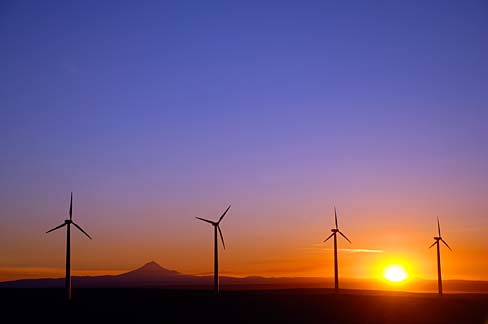
Wind Turbines at Sunset
Wind Turbines at Sunset, Credit: Wikimedia/Gary Halvorson

Let’s talk about some of the leaders in the green energy sector. Companies like Tesla, with its solar panels and energy storage solutions, and Vestas, a giant in wind turbine manufacturing, are just the tip of the iceberg. These companies are at the forefront of innovation, constantly pushing the boundaries of what’s possible in renewable energy technology.

Despite the progress, the path forward is not solely in the hands of these corporations. Policy and regulation play a critical role in shaping the future of green energy. Governments around the world are beginning to recognize the importance of supporting renewable energy through subsidies, tax incentives, and legislation. These policies can significantly lower the barriers to entry for green energy companies and accelerate the transition to a sustainable energy future.

The global landscape of green energy is dynamic, with advancements and challenges emerging at a rapid pace. Countries like Denmark and Germany are leading the way in wind energy production, while China and the United States are making significant strides in solar energy. The international commitment to green energy is also reflected in agreements like the Paris Climate Accord, which sets ambitious targets for reducing greenhouse gas emissions.

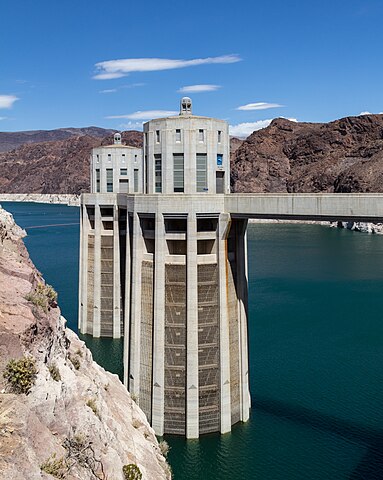
Hoover Dam
Hydroelectric Dam, Credit: Wikimedia/ Dietmar Rabich

As consumers, we play a pivotal role in this transition. Our energy choices—whether it’s opting for a green energy provider, investing in energy-efficient appliances, or supporting policies that encourage renewable energy use—can have a substantial impact. By making informed decisions, we can collectively drive demand for green energy and contribute to a more sustainable future.

In conclusion, green energy companies are at the heart of a crucial transition towards a more sustainable and environmentally friendly energy landscape. While challenges remain, the potential benefits of green energy—for the planet, the economy, and our health—are undeniable. As technology continues to advance and policy support grows, the vision of a world powered by renewable energy becomes increasingly attainable. The journey is complex, but the destination—a cleaner, greener planet—is well worth the effort.

Frequently Asked Questions (FAQs)

What is Green Energy?
Green energy refers to electricity and other forms of energy that are generated from renewable, natural sources like the sun, wind, water, and geothermal heat, which produce little or no pollution or greenhouse gases.

Why is Green Energy Important?
Green energy is crucial for reducing environmental impact, combating climate change, improving public health by reducing air pollution, and providing sustainable, long-term energy solutions.

Are Green Energy Sources Reliable?
Yes, with technological advancements, green energy sources like solar and wind have become more reliable and efficient. Energy storage solutions are improving, making renewable energy more consistent.

How Can I Support Green Energy?
You can support green energy by choosing renewable energy options for your home or business, investing in energy-efficient appliances, and supporting policies and initiatives that promote green energy development.

What Are the Economic Benefits of Green Energy?
Green energy can stimulate economic growth by creating jobs in the renewable energy sector, reducing energy costs over time, and decreasing dependence on imported fuels.

Balat, H. (2007). Green Power for a Sustainable Future. Energy Exploration & Exploitation, 25(1), 1–25. http://www.jstor.org/stable/26160847

Huang, M., & Zhai, P. (2021). Achieving Paris Agreement temperature goals requires carbon neutrality by middle century with far-reaching transitions in the whole society. Advances in Climate Change Research, 12(2), 281–286. https://doi.org/10.1016/j.accre.2021.03.004

Mark Z. Jacobson and Mark A. Delucchi. A path to sustainable energy by 2030. Scientific American, 301(5), 58–65, 2009.

Gielen, D., Boshell, F., Saygin, D., Bazilian, M., Wagner, N., & Gorini, R. (2019). The role of renewable energy in the global energy transformation. Energy Strategy Reviews, 24, 38–50. https://doi.org/10.1016/j.esr.2019.01.006

Gallagher, K.S. “Why & How Governments Support Renewable Energy.” The Alternative Energy Future (Winter 2013), Daedalus, vol. 142, No. 1, pp. 59-77 https://www.jstor.org/stable/43297301
Contributors

Copyright @smorescience. All rights reserved. Do not copy, cite, publish, or distribute this content without permission.


Join 20,000+ parents and educators
To get the FREE science newsletter in your inbox!