Bioconjugation is revolutionizing drug development and therapeutics.
The process involves joining two molecules together, including one biomolecule, using a covalent bond, and in this guide, we’ll go through the basics of bioconjugation all the way through to specific applications in drug development and therapeutics.
Let’s get straight into it.
Bioconjugation and its Role in Drug Development
Bioconjugation has a critical role in drug development, and it is used by many companies to enhance the drug production process and achieve specific outcomes.
The Role of Bioconjugation
Bioconjugation is essential for creating advanced therapeutic agents by combining biological molecules with synthetic compounds.
This technique allows you to modify drugs to improve their pharmacokinetic properties (movement through the body), reduce side effects, and increase target specificity.
In drug development, bioconjugates can be beneficial for many things, from improved solubility to target recognition and circulation time.
Key Types of Bioconjugates
Bioconjugates in drug development typically consist of three main components:
Carrier molecules
Therapeutic agents
Linkers
With common carrier molecules including proteins, peptides, polymers, and more.
These carriers are conjugated to therapeutic agents such as small molecule drugs, nucleic acids, or other bioactive compounds.
The resulting bioconjugates can take various forms, from antibody-drug conjugates to lipid-based nanocarriers.
Each type offers unique advantages for specific therapeutic applications, so let’s focus on one area where bioconjugates have had a major impact – cancer therapy.
Bioconjugation in Cancer Therapy
It’s all good knowing the theory behind bioconjugation, but now it’s time to explore some practical applications.
One key example of this is cancer therapy.
Antibody-Drug Conjugates (ADCs)
ADCs are powerful bioconjugate therapeutics that combine the specificity of antibodies with potent cytotoxic agents.
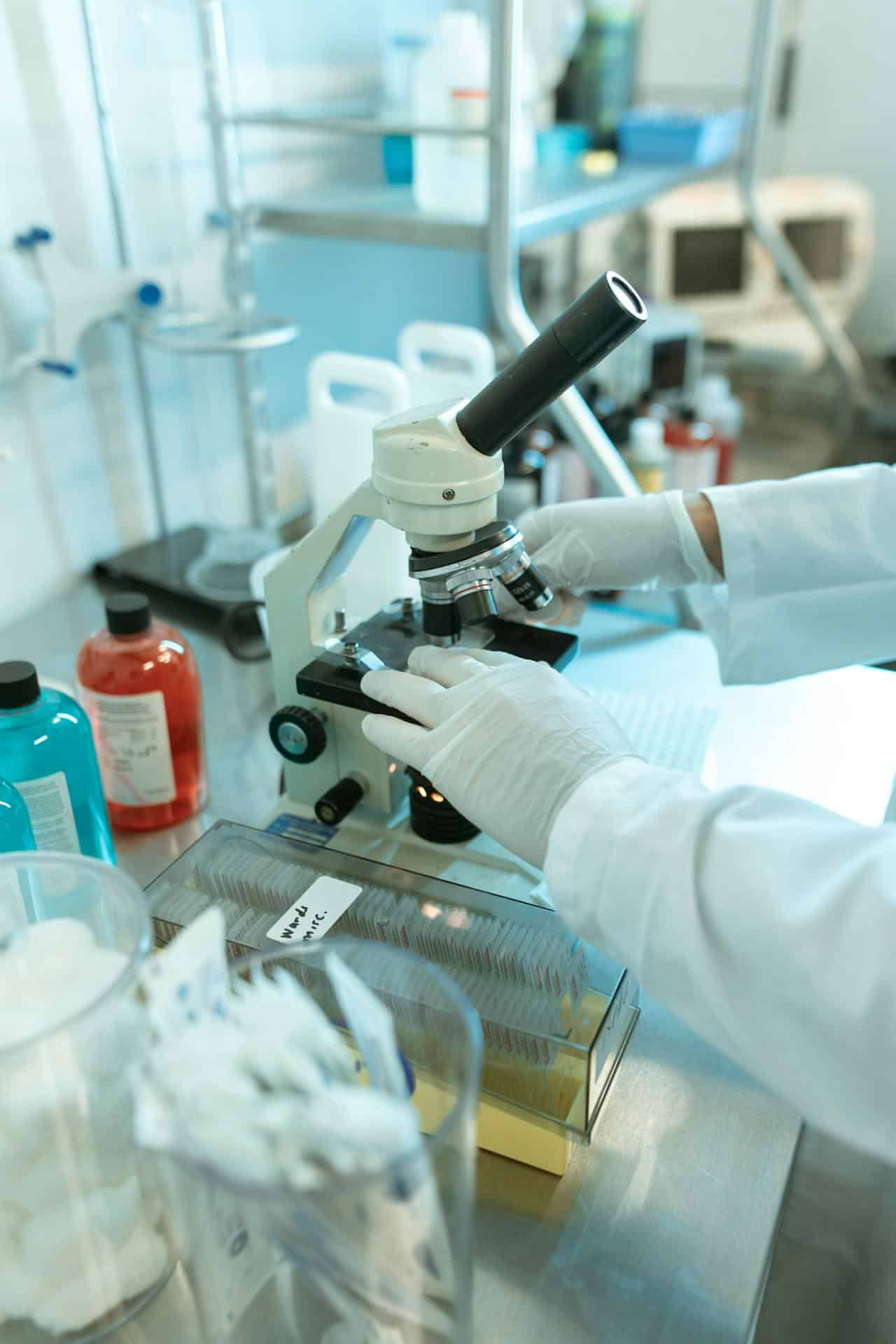
Credit; unsplash.com/Diane Serik
They target cancer cells expressing specific antigens, delivering the toxic payload directly to tumors. A prime example is Trastuzumab emtansine (T-DM1), which targets HER2-positive breast cancer.
ADCs work by:
Binding to tumor-specific antigens
Internalization into cancer cells
Releasing the cytotoxic drug
This targeted approach reduces systemic toxicity and improves the therapeutic window.
Recent advances in linker technology and payload selection have led to more stable and effective ADCs.
Targeting Tumor Cells and Microenvironment
Bioconjugation enables precise targeting of both cancer cells and the tumor microenvironment. You can use bioconjugates to exploit unique features of solid tumors, such as:
Overexpressed receptors
Altered pH
Hypoxic conditions
Nanoparticle-based bioconjugates offer versatile platforms for multi-targeting strategies. These can simultaneously deliver imaging agents and therapeutic drugs, allowing for real-time monitoring of treatment response.
Smart bioconjugates can respond to tumor-specific stimuli, releasing drugs only in the desired location. This approach enhances drug accumulation in tumors while sparing healthy tissues.
Overcoming Drug Resistance in Cancer
Bioconjugation plays a crucial role in addressing drug resistance, a major challenge in cancer therapy.
By modifying existing drugs or developing novel conjugates, you can:
Bypass efflux pumps responsible for multidrug resistance
Target alternative pathways to overcome acquired resistance
Deliver combination therapies more effectively
Site-specific bioconjugation allows for precise control over drug release kinetics, optimizing therapeutic outcomes. This approach is particularly promising for treating resistant lung cancer and other aggressive tumor types.
Bioconjugates can also enhance the immune response against tumors, potentially overcoming resistance mechanisms related to immune evasion.
Copyright @smorescience. All rights reserved. Do not copy, cite, publish, or distribute this content without permission.
Join 20,000+ parents and educators
To get the FREE science newsletter in your inbox!
SUBSCRIBE TO OUR NEWSLETTER
.......... ..........
Subscribe to our mailing list to get updates to your email inbox.