Iron, an essential nutrient, plays a vital role in our body, from forming hemoglobin in red blood cells to supporting metabolism. However, maintaining adequate iron levels can be a puzzle for many. This article serves as your guide to unpacking the mystery of iron-rich foods. Whether you’re a vegetarian, a meat lover, or somewhere in between, you’ll find valuable insights here.
The importance of iron in your diet
Why is iron so crucial? It’s a key component of hemoglobin , which transports oxygen in the blood. An iron deficiency can lead to anemia , characterized by fatigue and weakness. Iron’s role extends beyond preventing anemia. Adequate iron levels are essential for maintaining energy levels, supporting immune function, and aiding in cognitive development, especially in children and pregnant women. It’s a balancing act, though, as too much iron can lead to health issues like liver damage and an increased risk of infections.
The Recommended Dietary Allowance (RDA) for iron varies: for adult men, it’s about 8 mg/day, while women aged 19-50 need about 18 mg/day, due to menstrual loss. During pregnancy, this requirement jumps to 27 mg/day.
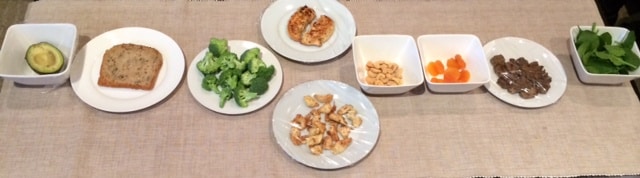
Here is a list of iron-rich foods that can help meet these needs.
● Meat and Seafood- They are excellent sources of heme iron , which our bodies absorb more easily than the non-heme iron found in plant-based foods. Red meat, poultry, and fish are particularly rich in heme iron. For instance, a 3-ounce serving of cooked beef contains about 2.1 mg of iron. Similarly, oysters pack a whopping 8 mg of iron per 3-ounce serving. Including these foods in your diet can significantly boost your iron intake.
● Plant-Based Iron Sources – For vegetarians and vegans, fear not – plenty of plant-based foods are rich in iron. Lentils, beans, tofu, and fortified cereals are fantastic sources. Spinach, a leafy green, provides about 6.4 mg of iron per cup when cooked. However, remember that non-heme iron from plants is not as readily absorbed as heme iron. Consuming vitamin C-rich foods like oranges or tomatoes alongside can enhance absorption.
How you prepare your food can impact iron absorption. For instance, cooking in cast iron pots can increase the iron content of your meals. Foods cooked with acidic ingredients, like tomatoes, can also enhance iron absorption. Conversely, certain food compounds, such as phytates found in whole grains and legumes, can inhibit iron absorption. Soaking, fermenting , and sprouting these foods can reduce phytate levels and improve iron absorption.
Food sources of iron, Credit; Wikipedia/SSamadi15
The role of supplements and fortified foods
Sometimes, dietary changes alone might not be enough to correct iron deficiency. This is where supplements and fortified foods come into play. Iron supplements are widely available, but it’s crucial to consult a healthcare professional before starting them, as excess iron can be harmful. Many foods, like cereals and bread, are also fortified with iron, providing an additional source for those needing a boost.
Not all iron is absorbed equally. Factors like the iron form (heme vs. non-heme), the presence of enhancers like vitamin C, and inhibitors like calcium, can affect absorption. For instance, a glass of orange juice with your spinach can increase the amount of iron your body takes in.
Different life stages have varying iron requirements. Children and teenagers need more iron to support growth, while women of childbearing age need more to compensate for menstrual losses . Pregnant women have the highest requirements. For older adults, the focus is often on maintaining balanced iron levels to support overall health.
From meat and seafood to beans and lentils, ample options suit every dietary preference. Paying attention to food combinations and preparation methods can make a significant difference. If you suspect an iron deficiency, consult a healthcare professional for personalized advice.
Food and Iron content, Credit; Wikimedia/V.christou
Glossary
Hemoglobin: A protein in red blood cells responsible for transporting oxygen from the lungs to the rest of the body.
Anemia: A condition characterized by a lack of healthy red blood cells, leading to fatigue and weakness.
Recommended Dietary Allowance (RDA)**: The average daily level of nutrient intake sufficient to meet the needs of nearly all (97-98%) healthy individuals in a particular life stage and gender group.
Heme Iron: A type of iron found in animal products, which is absorbed more efficiently by the body compared to non-heme iron.
Non-Heme Iron: Iron found in plant-based foods, less readily absorbed by the body compared to heme iron.
Phytates: Compounds found in grains and legumes that can inhibit the absorption of minerals like iron.
Fermenting: A process where microorganisms like yeast and bacteria convert carbs into alcohol or acids, used in food preparation.
Sprouting: The practice of germinating seeds to be eaten raw or cooked, which can enhance nutrient absorption.
Fortified Foods: Foods that have nutrients added to them that don’t naturally occur in the product.
Menstrual Losses: The loss of blood and nutrients from the body during the menstrual cycle, which can affect iron levels.