Like all that glitters is not gold, all insects that buzz around flowers are not bees. Some of them might be wasps! These are insects that can often be seen around us. While they might look similar to bees, they are quite different, especially in what they eat and how they live. And here’s a fun fact: unlike bees, wasps don’t usually make honey, sparing a few exceptions.
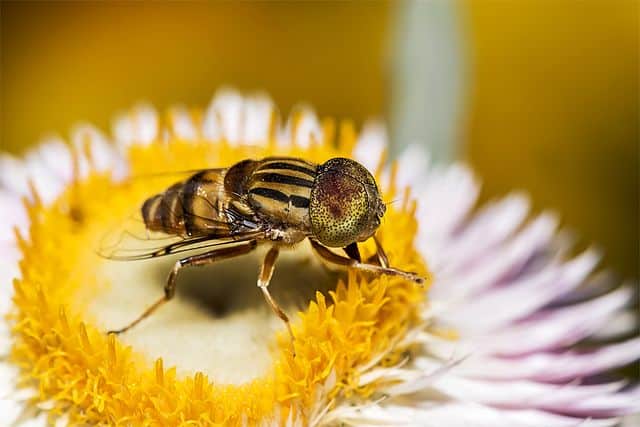
Honey is a sweet and sticky substance that we often enjoy in our food and drinks. It’s made by bees as a reserve food source for cold winter months. Bees make honey by collecting a sugary juice called nectar from flowers, which they then carry back to their hive.
A Honey Bee Collecting Nectar, Credit: Wikimedia/Kreativeart
Understanding wasps' diet
Unlike honeybees, wasps have a more diverse diet. They do love sweet stuff, especially in the late summer and fall when they are after sugary foods. But wasps also feed on other insects and even spiders! They are pretty much the lions and tigers of the insect world. Add a pair of wings and stings to this formidable predator as well.
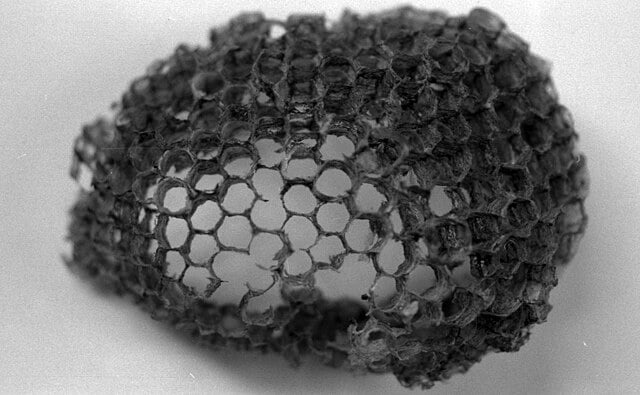
Not just that, wasps also help to control the population of these pests. They are valuable parts of the ecosystem , keeping things in balance by hunting other insects.
A Wasp Nest, Credit: Wikimedia/Adam Enoch
Differences between wasps and honeybees
Although wasps and honeybees might look similar to the untrained eye, they have several differences. Bees are generally more robust and have furrier bodies than wasps, which helps them carry pollen from one flower to another.
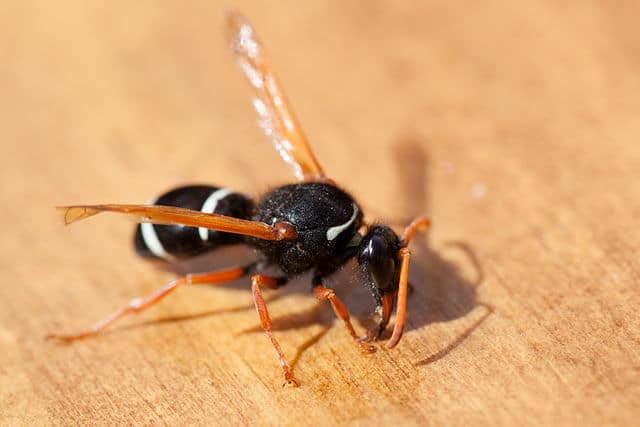
In contrast, wasps have slender, smooth bodies. The reason for this is that wasps are predators , hunting other insects and spiders. Their sleek bodies help them move quickly and efficiently during a hunt.
Another difference lies in their social behavior. While honeybees live in large colonies and work together to collect nectar and pollen to produce honey, wasps often live in smaller groups and hunt individually or in small teams.
A Close-Up of a Wasp, Credit: Wikimedia/Almonroth
Why Wasps Don’t Make Honey
So, you might wonder, why don’t wasps make honey? The simple answer is, they don’t need to. Unlike bees, wasps do not store food for the winter. Instead, most adult wasps eat other insects, and some even feed on nectar. But they don’t have the enzymes or the need to transform this food into honey.
For wasps, the main use of sweets and insects is to feed their young, not to store it for winter. Once the cold season arrives, most wasps die off, and only the queen survives to start a new colony in the spring.
Interesting facts about wasps
Wasps might not make honey, but they are fascinating creatures! Did you know some wasps can recognize each other’s faces? Just like humans, they use visual clues to tell who is a friend and who is a foe.
To sum up, wasps don’t make honey because they don’t need to for most part. However, one specific species of wasps, called the Mexican honey wasps make honey, albeit in smaller amounts than honeybees. You can read about them here.
Glossary
Ecosystem: This is a term that describes a community of living organisms interacting with their physical environment. It includes all the plants, animals, and microorganisms in an area, along with non-living components like climate and soil.
Nectar: A sweet liquid produced by flowers to attract pollinators, like bees. It’s mainly composed of water, sugars, and tiny amounts of other substances.
Pollen: Tiny, dust-like particles that are produced by the male parts of flowers. Bees and other insects often carry these particles from flower to flower, helping plants reproduce.
Colony: This refers to a group of animals of the same species living together. In the context of bees and wasps, it refers to their living arrangement where many individuals work together for the survival of the group.
Predators: Animals that hunt and eat other animals. In this article, wasps are described as predators because they hunt other insects and spiders.