Cancer is a super hard disease to treat. This is because cancer can be caused by a wide variety of factors. From habits like smoking and drinking to chance influences like genes and mutations, many things can cause it.
Cancer isn’t just one disease, either. Rather, cancer refers to a whole group of diseases. There isn’t a one-shoe-fits-all treatment for cancers. Instead, each cancer needs a custom-made game plan to fully eradicate it.
Cancer treatments have come a long way in recent years. Similarly, research into new treatments also continues to advance. For example, new treatments stimulate the immune system. Doctors and researchers work hard to develop new therapies every day.
It takes a team of superheroes to fight a group of super diseases.
Let’s find out who these heroes are.
Who is an oncologist?
An oncologist is a doctor who specializes in cancer. They do everything related to cancer, from researching it to diagnosing it to treating it. The earliest oncologists can be traced back to Ancient Greece and Rome. Ancient doctors who studied cancer described it as a crab with outstretched legs. They reasoned that the spread of cancer was similar to how crabs walk.
Fast-forward to today, and there are oncologists for every type of cancer.
For example:
(a) Pediatric oncologists treat children.
(b) Gynecologic oncologists treat cancers that occur in women.
Other types include radiation and surgical oncologists.
All of them have the same goal. All oncologists want to give their patients the best care and treatment they can.
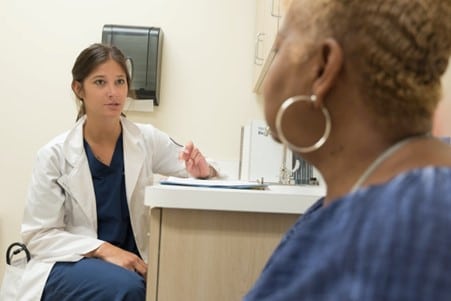
Oncologists are cancer specialists. Credit: CDC
Oncologists also do cancer research. They look for new treatments and therapies to help people living with cancer. They also find new medicines and new ways to detect and prevent cancer. Most oncologists conduct research simultaneously with their practice.
What do oncologists do?
Diagnosing cancer is an important part of an oncologist’s job. They do this by first talking to their patients. Next, they look at their patients’ medical history. Finally, they draw their conclusions after doing a physical exam.
Oncologists also keep track of their patient’s treatment. They must manage what happens after. This includes seeing how their patients respond to treatment and medication. They have to watch for any side effects. These side effects can either be short-term or long-term. They also have to give their patients emotional support. Afterward, oncologists must also help plan for the patient’s long-term care. This could include regular check-ups and lifestyle changes.
So, oncologists end up forming long-term relationships with their patients.
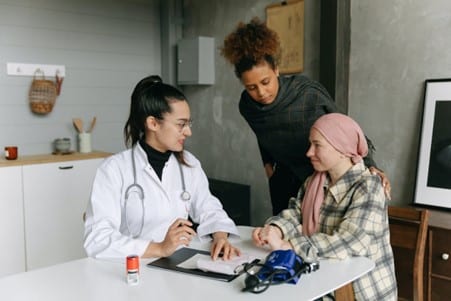
From developing new methods and drugs to battle cancer to creating specialized treatment plans for individual patients, oncologists have a wide range of responsibilities. Credit: Thirdman
Who do oncologists work with?
Oncologists do not work in isolation. Beating cancer is a team effort. To achieve this, a variety of medical experts work together.
Many types of healthcare workers can all specialize in oncology . For example, let’s consider oncology nurses.
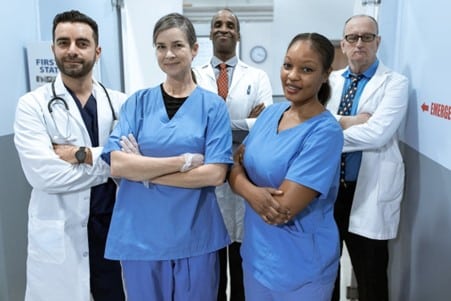
Oncologists work with a whole team of healthcare professionals, like radiologists, pathologists, and nurses. Credit: RODNAE Productions
Oncology nurses are integral in helping both oncologists and patients. They help with executing treatment plans and dispensing medications. They keep a close watch on patients and look out for any changes. This extra information helps doctors create the best treatment plans for their patients.
Famous Women Who Shaped Oncology
In 1964, the American Society of Clinical Oncology was founded in Chicago. Of all the seven founders in the room, Dr. Jane Wright was the only woman. Yet, she might have had one of the most significant impacts on society. Dr. Wright was a trailblazer in the field of oncology. She was a woman of color who came from a well-respected medical lineage. In fact, her father was among the first African Americans to graduate from Harvard Medical School.
Dr. Wright was a pioneer in the field of cancer drugs. She created new treatments that have saved many lives. She was also the first female president of the New York Cancer Society. During her 40-year career in medicine, she wrote almost 100 papers on cancer and chemotherapy . She retired as one of the leading experts in her field.
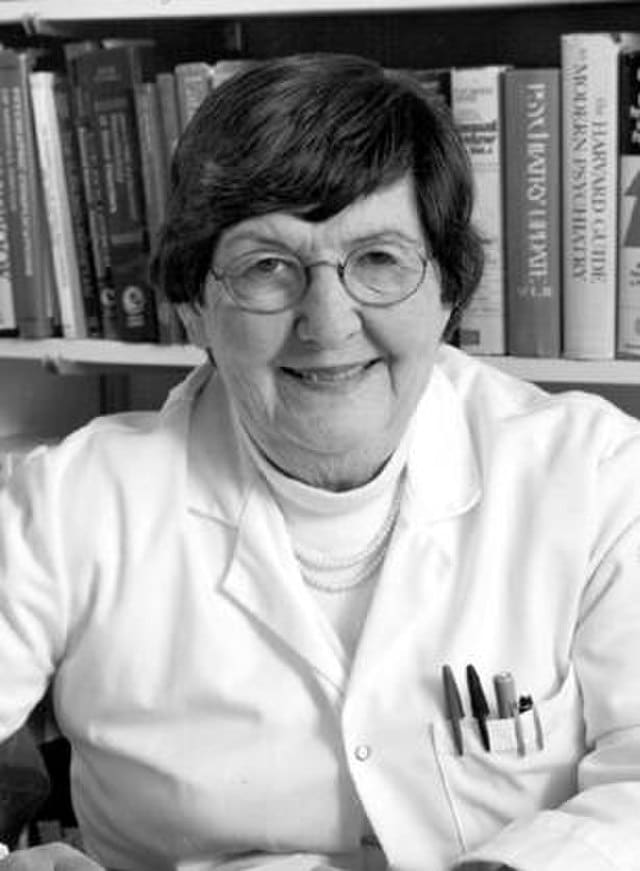
Dr. Jimmie Holland, the founder of the American Psychological Oncology Society. Credit: NIH/Wikimedia Commons
Dr. Jimmie Holland is another famous health care expert. She was a pioneer in both psychology and oncology. She launched the study of psycho-oncology. In fact, she was a psychiatrist by profession!
Dr. Holland focused on the mental effects of cancer on a patient. She was even the editor of the world’s first textbook devoted to this subject!
She also founded the American Psychological Oncology Society. Her awareness and care towards the “human side” of cancer helped distinguish her from her peers.
How can you become an oncologist?
If you want to become an oncologist, you need a bachelor’s degree. Undergraduate students may take foundation courses like organic chemistry or anatomy. These courses help students get a head start for medical college. To get in, they have to take the Medical College Admissions Test (MCAT). Students can either opt for an M.D. or a D.O. An M.D. refers to a Doctor of Medicine degree, while a D.O. refers to a Doctor of Osteopathic Medicine. After getting in, getting an M.D. or a D.O. usually takes four more years.
After eight hard years, medical students finally get that coveted title. They’re now proper doctors!
But before they can practice medicine, they must clear a residency program. During residency, doctors must choose their field of medicine. It is at this stage that doctors may specialize in oncology.
So, if you want to be an oncologist, you have a long road ahead of you. You’ll need to complete an oncology residency program. This program can last anywhere from two to five years.
After years of residency, residents have one final hurdle. They will have to pass the Medical Licensing Exam. After getting through the exam, residents transition to attending oncologists. They can then practice as independent oncologists.
Readability: 63.5
Flesch Kincaid Grade Level: 6.6
Glossary
Oncology: The study of cancer.
Cancer: A disease in which affected or abnormal cells grow and divide uncontrollably.
Chemotherapy: A type of cancer treatment that aims to fight cancer using different types of chemical substances or drugs.
Psychiatrist: A doctor who specializes in mental illnesses as opposed to physical illnesses.
Radiologist: A doctor or technician who specialises in using different types of radiation imaging technologies to help diagnose injuries or diseases.
Pathologist: A medical professional who specializes in the identification of the body’s tissues and fluids. They help diagnose diseases.