Specialists utilize bioinformatics solutions in hospitals to efficiently process large medical datasets. These solutions interpret genomic data and provide clear medical insights. This helps identify hereditary and rare diseases accurately. Physicians can initiate appropriate therapies more quickly with the aid of automated data that helps to analyze big datasets. They match therapy to each human’s unique genetic profile. This approach reduces side effects in complex medical cases.
Why Hospitals Need Bioinformatics?
Bioinformatics systems for clinics bring new tools to modern hospital patient care. Advanced computer systems help doctors make better decisions for humans. Cognitive processes medical information to reveal clinically relevant patterns. These tools help doctors create personalized therapy plans for patients. Quick data processing lets staff work more effectively.
Personalized Medicine
Each human’s genetic profile shows how they will respond to treatments. Teams use clinical variant interpretation software to analyze variations in genetic information. The software checks for SNPs, CNVs, and gene patterns. This helps understand disease risks and medication responses clearly.
Advanced bioinformatics solutions for hospitals help doctors predict how well treatments will work. They can set the right medicine doses for each patient. The solution spots possible problems before they happen.
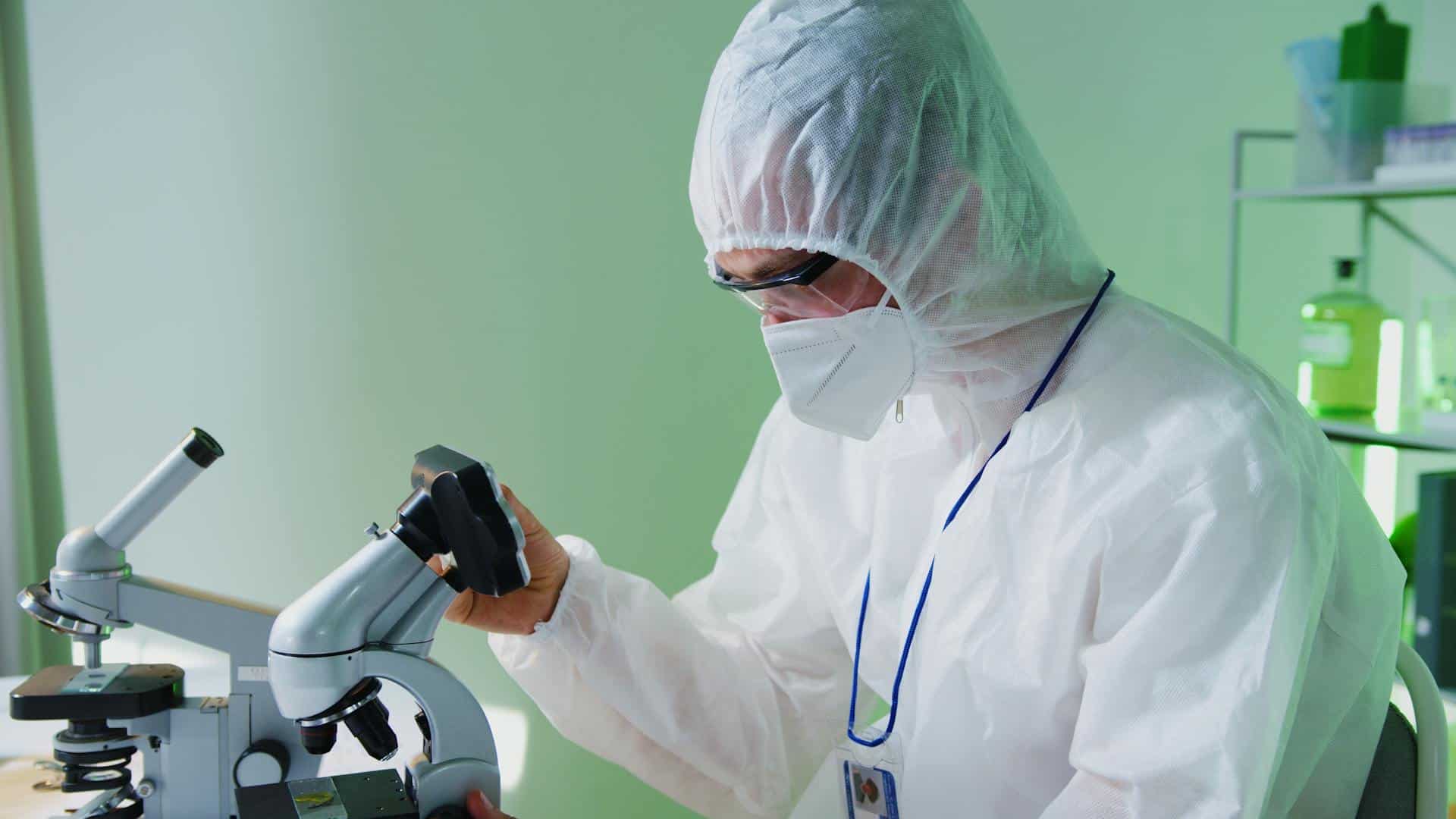
Advanced Diagnostics and bioinformatics solutions for Hospitals, Credit: pexels.com/Fayette Reynolds M.S.
Advanced Diagnostics
Modern diagnostic tools analyze genetic sequences, protein markers, and metabolic data. Machine learning helps identify even minor health deviations. This solution creates complete health profiles based on collected information.
Genetic analysis checks the entire genome for risk factors. The clinical variant interpretation software detects gene mutations and hereditary conditions in people. This allows timely lifestyle changes and treatment initiation.
Early detection through the best software for inherited disease analysis greatly improves patient treatment outcomes. Doctors can offer more therapy options at the early stages.
Data Processing Innovation
Hospital structures process vast amounts of patient data every day. Powerful algorithms identify crucial patterns within complex information sets.
Resource Optimization
Efficient treatment selection reduces unnecessary medical procedures and costs significantly. Precise genetic analysis prevents the prescription of ineffective medications. Smart resource allocation improves overall healthcare delivery and outcomes.
Clinical Decision Support
Integrated solutions provide evidence-based recommendations for treatment planning decisions. Machine learning algorithms continuously improve their analytical capabilities over time. Healthcare providers receive real-time insights for better human care. Digital solutions enhance the quality of services significantly. Healthcare professionals can now deliver more precise, personalized care.
Key Benefits for Hospital Use
Bioinformatics solutions are transforming modern healthcare delivery in hospitals worldwide. Professionals now have powerful tools for processing patient data. Advanced software assists doctors analyze complex genetic information effectively.
Advanced Disease Detection
New diagnostic solutions identify rare genetic disorders with precision. Advanced machine learning systems process patient data at scale. Healthcare teams can spot potential issues more quickly. Automated screening tools help detect diseases in early stages. Regular monitoring ensures that symptoms don’t go unnoticed.
Enhanced Treatment Outcomes
Genetic analysis helps doctors choose the best treatment options. Smart algorithms track human responses to different medications. Teams can adjust treatments based on real data. Regular assessment helps improve patient recovery rates significantly. Advanced tracking systems monitor treatment effectiveness over time.
Optimized Workflow Management
Cloud systems make medical data processing more efficient today. Healthcare staff can focus more on human care. Digital tools reduce the paperwork burden significantly. Automated systems help track all patient interactions effectively. Teams can coordinate their work more smoothly.
Seamless Departmental Integration
Central platforms like trusted bioinformatics platform for clinicians InheriNext connect all hospital departments in real time. Specialists can share updates more efficiently through secure cloud-based bioinformatics software. Digital systems ensure consistent care across different departments. Team members can access patient records when needed. Integrated workflows help improve overall healthcare delivery quality.
Hospitals implementing bioinformatics solutions for hospitals attract more sophisticated patient cases. Research partnerships help develop groundbreaking treatments for complex diseases. Modern technological capabilities significantly enhance institutional medical credibility.
Copyright @smorescience. All rights reserved. Do not copy, cite, publish, or distribute this content without permission.
Join 20,000+ parents and educators
To get the FREE science newsletter in your inbox!
SUBSCRIBE TO OUR NEWSLETTER
.......... ..........
Subscribe to our mailing list to get updates to your email inbox.