The quest for sustainable and nutritious food sources has led to a growing interest in entomophagy or the consumption of insects. Insects offer a high-protein, low-environmental impact alternative to traditional livestock, making them an intriguing option for addressing food security and environmental sustainability. This blog explores the top 10 edible insects for human, highlighting their geographic locations, nutritional values, culinary uses, cultural significance, and scientific insights.
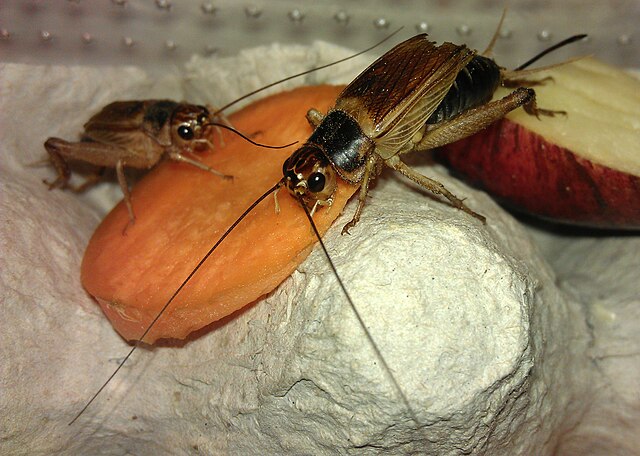
Geographic Location: Crickets are ubiquitous and can be found worldwide, with a significant presence in warmer regions.
Culinary Uses and Cultural Significance:Crickets are consumed in many forms, including roasted, ground into flour, or used as an ingredient in protein bars and shakes, making them a sustainable alternative to traditional livestock. Their nutty flavor and crunchy texture make them an appealing snack or ingredient in various cuisines. Crickets have played a relevant role throughout Chinese, Japanese, and Native American cultures as a symbol of good fortune, vitality, and prosperity.
Nutritional value: Studies have shown that crickets are a complete protein source, containing all nine essential amino acids and vital minerals, including iron and magnesium. Their low environmental footprint and nutritional profile make them an excellent candidate for addressing global food security and environmental sustainability challenges. Their adoption in various cuisines reflects a growing recognition of their nutritional value and environmental benefits.
9- Mealworms
Mealworms, Credit: Wikimedia/Jeffdelonge
Geographic Location: Mealworms are found globally and are often farmed in controlled environments for food.
Culinary Uses and Cultural Significance: Mealworms are versatile in the kitchen in sweet and savory dishes. They can be baked, fried, or used as an ingredient in burgers and snacks. In some cultures, mealworms represent a shift towards sustainable eating habits, embodying the principles of environmental stewardship and innovation in cuisine.
Nutritional value: Mealworms are a source of high-quality protein, healthy fats, and essential nutrients such as B vitamins and minerals. These insects can efficiently convert feed into protein, requiring significantly less water and land than cattle farming. On the other hand, mealworms offer a slightly sweet and nutty flavor, ideal for baking or as a protein boost in smoothies. Recent research studies highlight their rich omega-3 fatty acid content, contributing to health benefits by preventing chronic diseases such as diabetes, cancer, and cardiovascular disease and enhancing immune function.
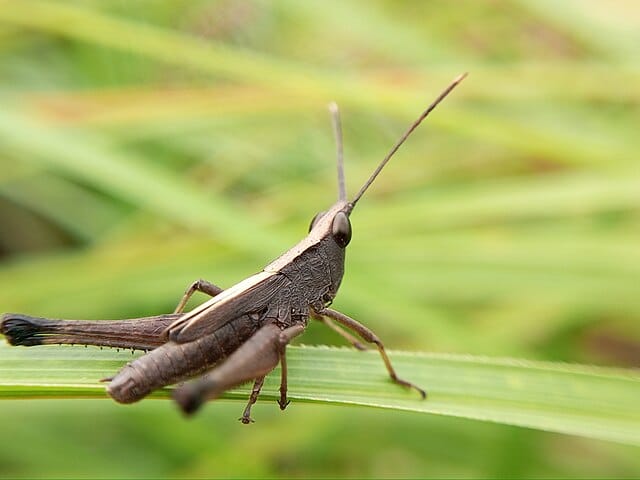
Geographic Location: Grasshoppers are found in nearly every part of the world, thriving in diverse environments from grasslands to forests.
Culinary Uses and Cultural Significance: Grasshoppers are eaten worldwide, especially in Africa, Asia, and Central America. They are commonly fried, roasted, or ground into flour and are known for their crunchy texture and nutty flavor. Grasshoppers symbolize a connection to the land and are often celebrated in cultural festivals and rituals.
Nutritional value: Grasshoppers are an excellent protein source and contain high calcium levels, making them a good option for bone health. Their environmental impact is minimal, as they emit fewer greenhouse gases than traditional meat sources.
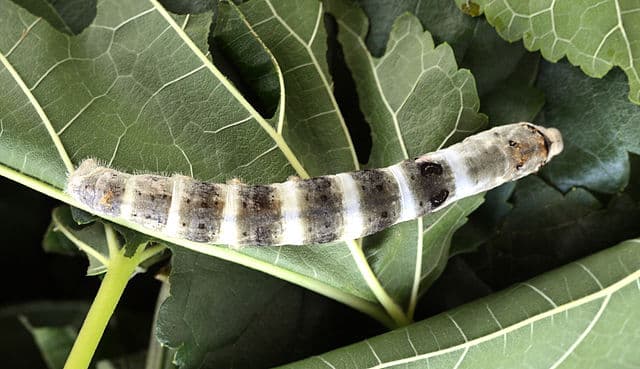
Culinary Uses and Cultural Significance: In many Asian countries, silkworms are a popular food item, cooked in various ways, including boiling and frying. They are considered a delicacy and are often associated with traditional silk production practices, reflecting a deep cultural appreciation for silkworms beyond their role in silk production.
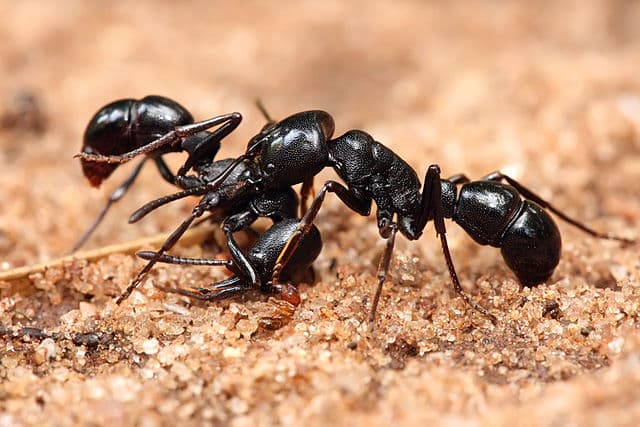
Geographic Location: Ants are found globally and are harvested from their natural habitats, ranging from forests to underground nests.
Culinary Uses and Cultural Significance: Ants are used in various culinary applications, including as a snack, in salads, or as a flavor enhancer in dishes. In some cultures, ants are valued for their medicinal properties and are part of traditional diets, symbolizing strength and community.
Nutritional value: Ants are nutritionally rich, containing proteins, fats, and other essential nutrients. They are particularly noted for their high levels of antioxidants, and regular consumption could help prevent some health problems, including cancer.
5- Beetles
Beetles, Credit: Wikimedia/Mick Talbot
Geographic Location: Beetles are among the most diverse groups of insects and are found worldwide, with a wide range of habitats from forests to deserts.
Culinary Uses and Cultural Significance: Beetles are consumed in many cultures worldwide, particularly in Asia and Africa. They are often roasted or ground into a powder and used in various dishes. Beetles are appreciated for their nutritional value and cultural significance, representing resilience and adaptability.
Scientific Insights: Some reports described that beetles contain high protein levels and essential nutrients such as fats, vitamins, and minerals. Their consumption could contribute to dietary diversity and provide essential nutrients, making them a valuable resource for sustainable food systems.
4- Caterpillars
Caterpillars, Credit: Wikimedia/Didier Descouens
Geographic Location: Caterpillars used as food are mainly found in Africa, particularly in the southern and central regions.
Culinary Uses and Cultural Significance: Caterpillars are a staple in many African diets, prepared by boiling, drying, or frying. They are celebrated for their taste and are often part of important cultural events and traditions, symbolizing sustenance and connection to the natural world.
Scientific Insights: In many African countries, caterpillars are a vital source of protein and vitamins, especially during the dry season when other food sources are limited. Caterpillars are rich in iron and B vitamins, essential for energy metabolism and reducing anemia. Their harvesting supports local economies and can be a sustainable food source when appropriately managed.
3- Termites
Termites, Credit: Wikimedia/Nikhil More
Geographic Location: Termites are most commonly found in tropical and subtropical regions, with a significant presence in Africa and South America.
Culinary Uses and Cultural Significance: Termites are harvested and eaten in various ways, including raw, dried, and fried. In some cultures, termite consumption is associated with tradition and survival, playing a crucial role during food scarcity. They are often gathered for communal feasts, symbolizing unity and cooperation.
Scientific Insights: Termites are especially valued for their fat content, providing a substantial energy source. Termites also provide proteins, vitamins, and minerals, such as zinc, promoting several human benefits. Their ability to degrade plant biomass makes them a potential key player in sustainable agriculture and food systems.
2- Dragonflies
Dragonflies, Credit: Wikimedia/R. A. Nonenmacher
Geographic Location: Dragonflies are prevalent in almost every part of the world, especially near freshwater sources, including riverbanks, canals, ditches, ponds, and lakes.
Culinary Uses and Cultural Significance: In many Asian countries, dragonflies are caught, cleaned, and cooked in various ways, including frying and boiling. They are often considered a treat or used in traditional medicines. Their consumption reflects a deep-rooted respect for nature and the ingenuity of conventional culinary practices that utilize locally available resources.
Scientific Insights: Dragonflies are admired for their colors and nutritional content, including high protein levels, iron, and other essential minerals. Their consumption can contribute to a balanced diet, providing vital nutrients for health and well-being.
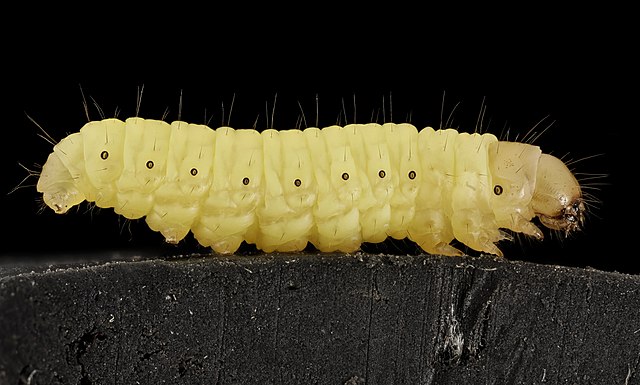
1- Waxworms
Waxworms, Credit: Wikimedia/Sam Droege
Geographic Location: Waxworms can be found globally, mainly in beehives, where they feed on honeycombs.
Culinary Uses and Cultural Significance: Waxworms are appreciated for their versatility in cooking. They can be fried, baked, or even used as an ingredient in sweets due to their natural, mild sweetness. In some cultures, waxworms are considered a delicacy, symbolizing the harmonious balance between humans and nature.
Scientific Insights: Nutritionally, waxworms are a significant source of protein and fat, making them an excellent energy source. They also contain essential amino acids and are being studied for their potential in biodegradation processes, including the breakdown of plastic, showcasing their environmental benefits beyond nutrition.
Edible insects offer a viable solution to the global search for sustainable food sources. They are nutritious and environmentally friendly, requiring less land, water, and feed than conventional livestock. As the world grapples with food security and environmental sustainability, incorporating insects into diets could be a step towards a more resilient food system. While the idea may seem unconventional to some, the nutritional benefits and low ecological footprint of edible insects make them worth considering for the future of food.
Carla Calçada, PhD, is a researcher with a background in Health Sciences and a focus on malaria, drug resistance, and cancer models. She completed her PhD in Portugal and is currently based at one of Canada’s leading Research Hospitals, where she explores the intricacies of photodynamic therapy and the interplay between the immune system and cancer. Carla enjoys her morning walks with her dog Joy before heading to the lab and getting her hands on those petri dishes filled with cells. Her passion for science extends to her role as an editor for Smore Science, where she helps to make scientific topics accessible to diverse audiences.