A student performing well in academics may make you wonder about factors like study habits, the role of guidance from an exceptional teacher, or easy access to useful technology. Rarely do people consider how much a student’s physical health influences their ability to perform well in school.
Issues such as chronic fatigue, eye strain, posture problems, and undiagnosed spinal conditions silently impact a child’s ability to learn, focus, and thrive in the classroom. This connection between proper student health and academics demands more attention from all concerned individuals (parents, teachers, the institution’s administrations, and policymakers). Let’s explore how physical well-being can directly impact a student’s cognitive ability to reach their full potential.
The Mind and Body Connection in Learning
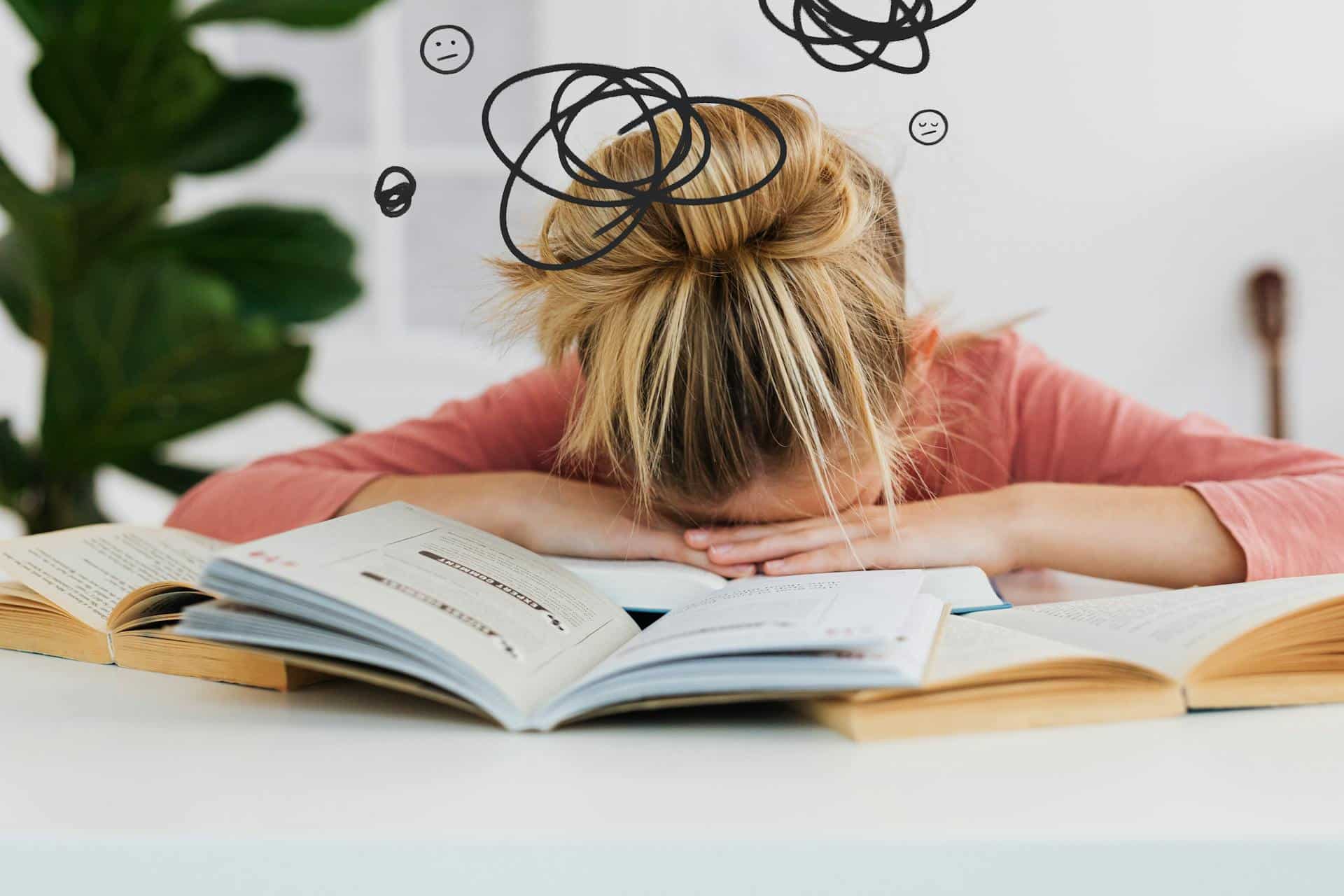
The brain doesn’t operate in isolation. It relies on the body to support its function. Poor sleep, lack of physical activity, and chronic health conditions can impair concentration, memory retention, and emotional regulation. When a student’s body isn’t well, the brain pays the price.
For example, fatigue can cause inattention, often resulting in the misdiagnosis of behavioral or learning disorders. Similar to other painful conditions, an injury or illness may not always be readily apparent through a child’s verbalization, but instead communicated through an inability to sit still, poor posture, or reduced spontaneous activity in the classroom.
Common Physical Challenges that Impact Academics
Some physical health concerns that, when underestimated, hurt school performance include chronic fatigue, poor vision, repetitive strain injuries from improper screen use, and musculoskeletal issues such as scoliosis. In most cases, scoliosis is often associated with physical discomfort, and only a few people recognize how it can affect how a student thinks, learns, focuses, and handles everyday tasks in the classroom. To understand this better, it’s essential to ask: what is functional scoliosis?
Unlike structural scoliosis, functional scoliosis is often caused by postural habits or muscle imbalances, such as poor posture or muscle spasms. While the condition is typically temporary, it can lead to issues like back pain and uneven posture if left unaddressed. These physical discomforts may make it harder for students to sit comfortably or stay focused in class.
Some other common physical challenges also persist, such as vision problems due to poor lighting and increased hours of screen exposure, frequent headaches, and lack of physical movement leading to sluggishness. All of these are often overlooked and, if left unaddressed, may lead to severe discomfort, which can easily diminish a student’s overall classroom learning experience.
The Role of Physical Activity and Routine
Most people often consider physical activity to be directly related to a person’s fitness, but in reality, it is also directly linked to better brain function. Fresh and active students are more likely to maintain better and healthier energy levels, allowing them to easily contribute to better classroom behavior and focus on the learning outcomes.
Teachers and parents should guide and encourage students to follow routines with consistent sleep schedules, balanced diet, and daily physical activity that can help them improve academic performance in classrooms. Schools that pay a great deal of attention to the physical wellness of their students through sports, exercises, and ergonomic classroom designs can report higher levels of student engagement and improved results.
Endnote
As we focus on helping students do well in school, you must not forget about taking care of the body that supports your brain in countless ways. Excellent physical health is equally important as it quietly supports the learning of a student in ways that are not directly visible to the human eye. This is why it is significant for teachers and parents to work together and find out all the possible health-related barriers that might be holding the students back.
Copyright @smorescience. All rights reserved. Do not copy, cite, publish, or distribute this content without permission.
SUBSCRIBE TO OUR NEWSLETTER
.......... ..........Subscribe to our mailing list to get updates to your email inbox.
Monthly Newsletter