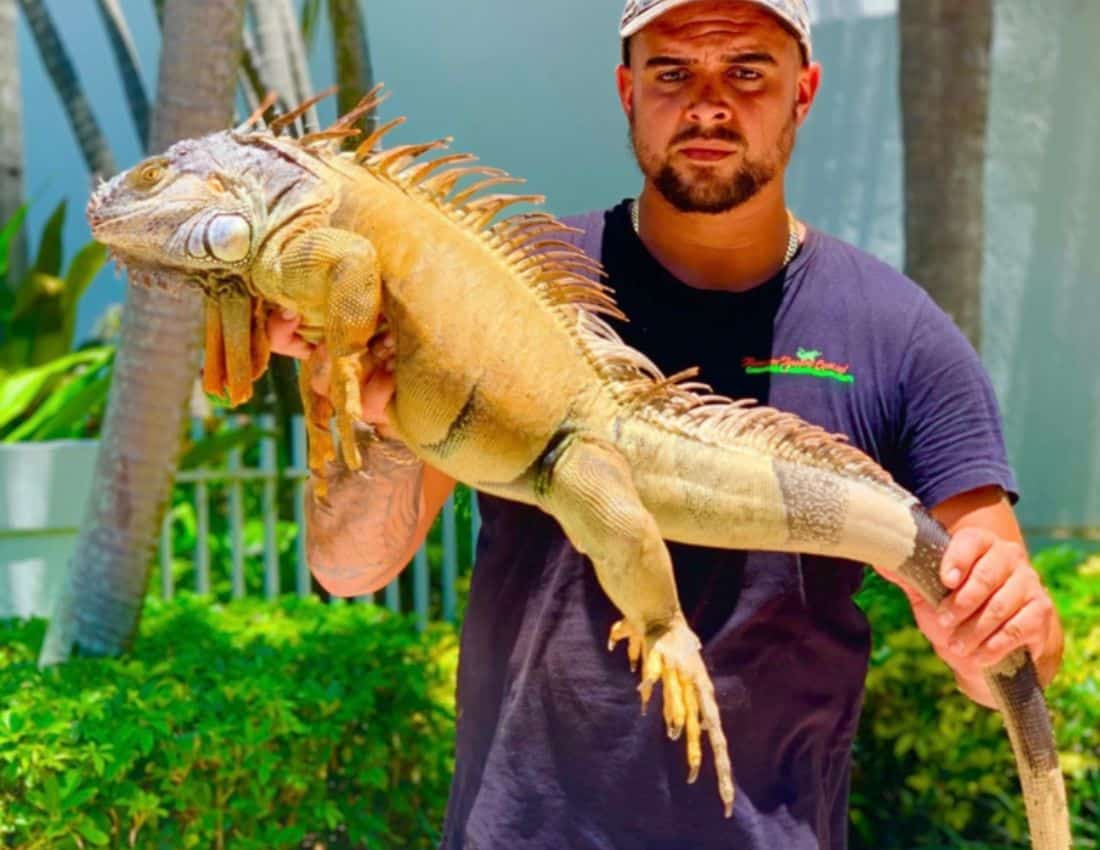
It was in the mid-1990s that Americans decided that the Burmese python, one of the largest snake species in the world, native to South-East Asia , would make for good pets. Thousands of snakes were imported into the country, especially into the state of Florida. But owners soon realized that they grow far too big to be kept as house pets, and abandoned them into Florida’s wetlands . The warm climate and abundant habitat of the wetlands turned out to be ideal for the pythons. No one could have predicted what happened next. There was an explosion in their numbers—the “pet” pythons were very good hunters of Florida’s wildlife, which was not used to such a large snake predator. This lead to a collapse in the populations of native animals. Large and small mammals like foxes, bobcats, racoons, and rabbits were ideal prey for these snakes, leading to a massive decline in their numbers. But it didn’t stop there—the snakes were able to even catch and consume large birds like herons and ibises, and most recently even alligators! The fast rate of increase in their numbers and their negative effects on native wildlife have resulted in the Burmese python being labelled as one of the world’s “worst invasive species.”
What exactly makes a species “invasive”? Given that invasive species have been recognized as a global threat and that the problem of invasives goes beyond animals, the pet trade and decreasing biodiversity, it is important to understand what an invasive species is and the consequences that they can have.
An invasive Burmese python wrestling an alligator in Florida, Credit; Wikimedia/Lori Oberhofer, National Park Service
When does a species become invasive?
Species of plants and animals that are naturally found in a particular area, also known as native species, have been transported by humans to other places for centuries, often across large distances that these species could not have travelled on their own. The reasons for this transport are multiple—
people may want exotic pets from another part of the world (like in the case of the Burmese python; another example is the European starling in North America and Australia),
species could be brought in to control agricultural pests (like the cane toad in Australia),
The introduction of species could also be completely accidental, with many species hitching a ride on human vehicles and bodies that travel from place to place. When these species arrive in a habitat that they do not occur in naturally, they are known as “alien” or “exotic” species. However, not all non-native species are invasive. Alien species become invasive when they can reproduce and spread in a new habitat that they are brought into without human assistance (Simberloff 2010). Tulips are an example of a species that is alien but not invasive in the United States, as they do not spread widely beyond the gardens in which they are planted.
Why are invasive species a problem?
Invasive species are considered harmful for a number of reasons. They threaten the biodiversity in places that they are brought into by outcompeting the native wildlife. An example is the Lantana plant in India, a thorny shrub, which is taking over forests in the country. Lantana grows rapidly and climbs over native grasses, shrubs, and even trees, choking them to death. This not only kills the native plant life but also threatens the animals that depend on the native plants for food and shelter.
Some invasive species are also capable of spreading diseases, like the Asian tiger mosquito and yellow fever mosquito from Asia that have made their way to North America. These mosquitos harbor viruses and can spread diseases like Zika and dengue.
Another growing threat from invasives is their role in causing and spreading natural disasters like floods and wildfires. Dried-up invasive grasses in Hawaii provided fuel for wildfires in the state, causing them to be more intense and large-spread.
Lantana camara taking over a forest in South India, Credit: Wikimedia/AparnaVK
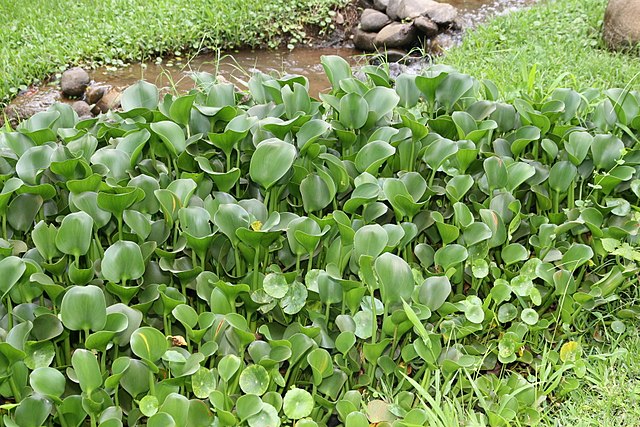
Another consequence of all the problems caused by invasive species is the economic cost. The staggering cost of invasive species is highlighted in a new report by the United Nations, which has estimated that these species cost the world 423 billion dollars every year! A part of that cost comes from the effects that these species have on people’s livelihoods—for example, the fall armyworm, native to the Americas, first invaded South Africa in 2016 where it has since become an aggressive agricultural pest, resulting in farmers losing millions of tonnes of maize each year. Lionfish have become invasive in the Atlantic Ocean, where they consume and reduce populations of many native fish that are important to local fishermen. A lot of money also has to be spent to eradicate severe invasive species (like water hyacinth that is clogging lakes and rivers in Nepal) and to recover from their effects, like disease, pollution, and disasters. As humans travel much more in the 21st century, the threat of invasive species continues to grow, with the UN report estimating that there around 3500 species of invasives around the world.
Not all doom and gloom: Can invasive species be beneficial?
Although the numbers and impact of invasive species are increasing globally, people and countries have tried to tackle the problem by using these species to their advantage. In Nepal, the invasive water hyacinth is being harvested and converted to organic fertilizer, which serves as a good source of nutrients for crops. Thick layers of water hyacinth that have grown over lakes in Bangladesh have been converted to floating garden beds in which farmers have started growing vegetables and even rice. Invasive species are also being eaten in many parts of the world, like the brown trout in New Zealand and green crabs in the Canada and the U.S. A few organizations in South India are finding new ways to combat Lantana invasion by converting the plants into wooden furniture like armchairs and shelves. These creative methods are providing a great opportunity to convert the economic costs of invasive species into benefits. They also contribute to the battle against the threats that invasives bring, and we will definitely need more of them in the years to come! However, scientists still stress the need to prevent the spread of invasive species and eradicate them in the areas that they are found, to keep their effects to a minimum (Roy HE et al, 2023). Although they can be useful to us, prevention is always better than cure when it comes to invasive species.
A water hyacinth “floating bed.” Credit: Wikimedia/David J. Stang
Flesch Kincaid Grade Level: 12.6
Flesch Kincaid Reading Ease: 47.6
Glossary
Wetlands— a place in which the land is covered by water—salt, fresh, or somewhere in between—either seasonally or permanently
Habitat—The natural home or environment of a plant, animal, or other organism
Simberloff, D. (2010). Invasive species. Conservation biology for all, 1, 131-152.
Roy, H. E., Pauchard, A., Stoett, P., Renard Truong, T., Bacher, S., Galil, B. S., … & Vandvik, V. (2023). IPBES Invasive Alien Species Assessment: Summary for Policymakers.