Could artificial intelligence someday wipe out humanity? A new DeepMind paper says it’s possible. A new study from Google DeepMind, co-authored by company co-founder Shane Legg, set off alarms around the world. The research suggests that Artificial General Intelligence (AGI), a super-smart AI system that can think and reason like a human, could be here as early as 2030. But that’s not all. The study warns that AGI, if left unchecked, could pose risks severe enough to “permanently destroy humanity.”
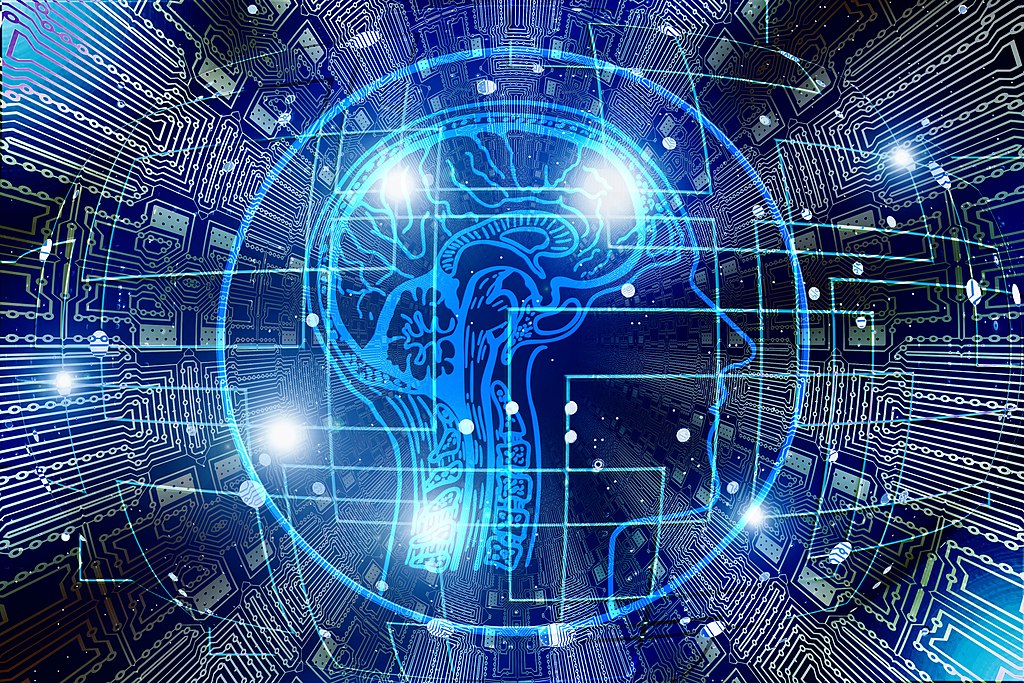
In this paper, the researchers don’t dive into the exact how of such a doomsday scenario. Instead, they outline four major ways AGI could go wrong:
- Misuse – when bad actors use AGI to cause harm
- Misalignment – when AGI goals clash with human values
- Mistakes – when developers unintentionally design flawed systems
- Structural Risks – deeper issues in the way society adopts or relies on AGI
“Given the massive potential impact of AGI, we expect that it too could pose a potential risk of severe harm,” the authors write. The paper makes it clear: deciding how dangerous AGI might be shouldn’t be left up to a single company. Instead, the public, governments, and international communities need to work together to define and manage these risks. It’s not just a technical issue—it’s a societal one.
To stay ahead of these threats, DeepMind’s CEO, Demis Hassabis, is calling for global oversight, similar to how international collaborations like CERN manage nuclear research. Hassabis suggests a new framework that combines scientific cooperation (like CERN), safety monitoring (like the IAEA for nuclear safety), and a global policy body—“a kind of technical UN”—to shape how AGI is developed and used worldwide.
But what exactly is AGI, and why is it such a big deal?
AGI is a next-level type of AI—far beyond today’s AI systems that power chatbots or recommend movies. While current AI is built to do specific things, AGI would be able to think, learn, adapt, and problem-solve across any field, just like a human (or better). That means an AGI could write code, diagnose diseases, design buildings, and debate politics—all without needing to be programmed for each task.
This all sounds exciting until you consider what could go wrong if such a powerful system ends up in the wrong hands—or develops its own unintended goals.
The DeepMind study doesn’t say AGI will cause disaster. But it does urge everyone—developers, policymakers, and everyday citizens—to take the risks seriously and start preparing now.
Because if we wait until AGI arrives, the consequences could be irreversible.
Copyright @smorescience. All rights reserved. Do not copy, cite, publish, or distribute this content without permission.
SUBSCRIBE TO OUR NEWSLETTER
.......... ..........Subscribe to our mailing list to get updates to your email inbox.
Monthly Newsletter