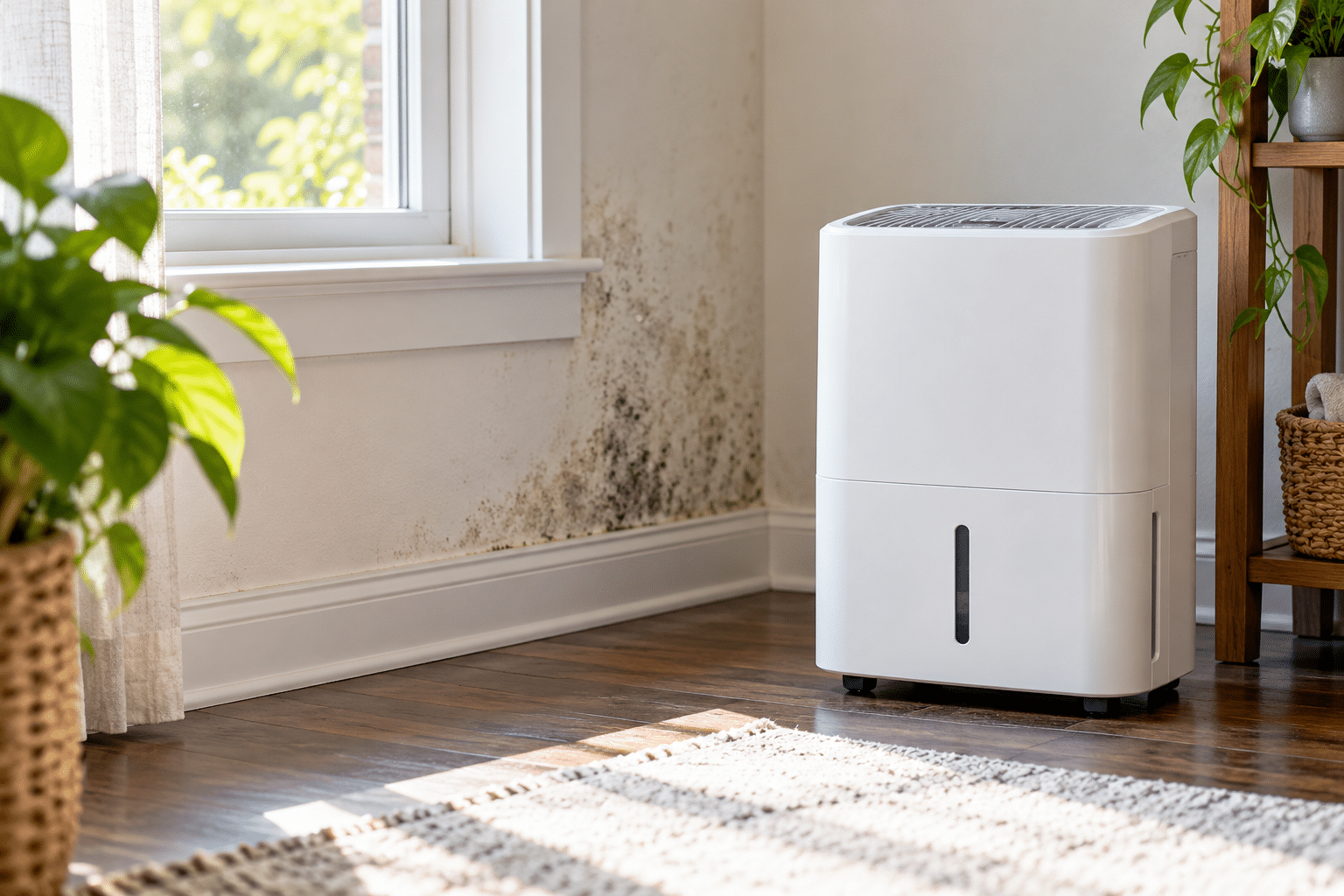
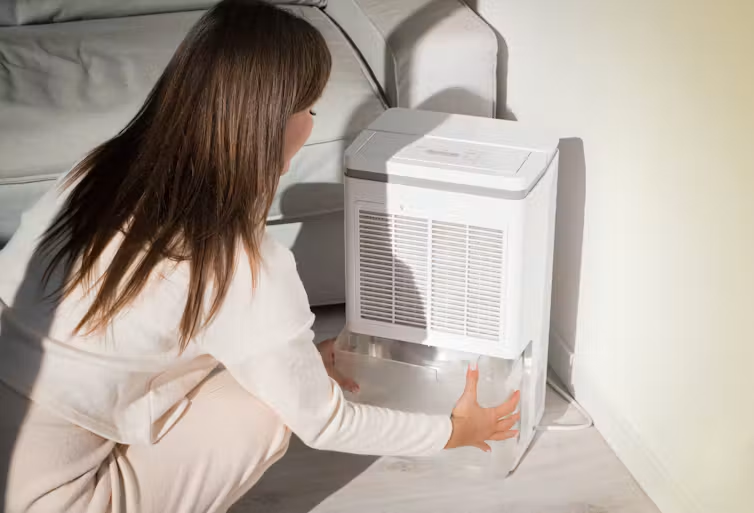
Mould is a common household problem that can affect indoor air quality, damage furniture, and spread across walls, ceilings, and other surfaces. Excess moisture is one of the main reasons mould develops, particularly in bathrooms, basements, kitchens, and poorly ventilated rooms. One practical way to manage this problem is to use a dehumidifier for mould prevention.
But can a dehumidifier actually kill mould? Does it stop mould from spreading, and how do you choose the right one for your home? Understanding the science behind moisture and mould growth can help you make the right decision.
What Causes Mould to Grow Indoors?
Mould is a type of fungus that reproduces by releasing microscopic spores into the air. These spores are naturally present in both indoor and outdoor environments. However, they need suitable conditions to grow and form visible colonies.
Moisture is the most important factor in household mould growth. Water can enter a home through leaking pipes, roof damage, flooding, condensation, or humid outdoor air. Poor ventilation can make the problem worse by allowing moisture to accumulate.
Mould can grow on many materials, including drywall, wood, paper, carpets, fabrics, and dust-covered surfaces. Warm temperatures and an available food source can encourage growth, but moisture is often the condition homeowners can most readily control.
Relative humidity (RH) measures the amount of water vapour in the air compared with the maximum amount the air can hold at a given temperature. When indoor humidity remains high, surfaces can become damp enough to support mould growth.
How Does a Dehumidifier Help Prevent Mould?
A dehumidifier removes excess water vapour from indoor air. By lowering relative humidity, it makes the environment less favourable for mould to grow.
Most household dehumidifiers work by drawing humid air into the machine. In a refrigerant dehumidifier, the air passes over cold coils, causing water vapour to condense into liquid water. The collected water drains into a tank or through a hose, while the drier air returns to the room.
Desiccant dehumidifiers use moisture-absorbing materials to remove water from the air. These models can be useful in certain cooler environments, although their energy use and performance vary by design.
For most homes, the goal is to maintain indoor relative humidity between 30% and 50%, while avoiding sustained levels above 60%. A built-in humidistat or a separate digital hygrometer can help you monitor humidity and adjust the settings.
By controlling moisture, a dehumidifier can reduce the likelihood of new mould growth and help prevent existing damp conditions from getting worse.
Can a Dehumidifier Kill Existing Mould?
This is an important distinction: a dehumidifier does not directly kill or remove existing mould.
Lower humidity can slow mould growth because many moulds struggle to grow when materials remain dry. However, existing mould colonies and spores may remain on walls, furniture, carpets, and other surfaces even after the air becomes drier.
If you already have visible mould, you should address the problem directly. Small areas of mould on suitable hard surfaces can often be cleaned with detergent and water, followed by thorough drying. Porous materials such as heavily contaminated ceiling tiles, insulation, or carpet may need to be discarded or professionally assessed.
Avoid simply painting over mould or covering it with wallpaper. These approaches do not resolve the underlying moisture problem.
If mould covers a large area, repeatedly returns, results from contaminated water, or is associated with hidden damage, consider consulting a qualified mould remediation professional. The US Environmental Protection Agency (EPA) provides guidance for assessing and cleaning mould in homes.
Keeping indoor humidity below 60% helps reduce the risk of mould, but a target of 30%–50% relative humidity is generally recommended for homes.
The ideal setting depends on your climate, the condition of your building, and the temperature of indoor surfaces. Even when a room’s average humidity appears acceptable, cold walls, windows, and corners can develop condensation that creates local conditions suitable for mould.
A hygrometer is useful because humidity can vary considerably from one room to another. Check areas where moisture tends to collect, especially bathrooms, basements, laundry rooms, and rooms with exterior walls.
If condensation appears regularly on windows or walls, investigate the cause rather than relying solely on the humidity reading. Better ventilation, improved insulation, or repairs may be necessary.
How to Choose the Best Dehumidifier for Mould Prevention
Choosing the right dehumidifier depends on the size of the room, the severity of the moisture problem, and the surrounding temperature.
1. Match the capacity to the room
A small bedroom may need a smaller unit than a large basement or a persistently damp ground-floor room. Manufacturers usually specify the amount of moisture a unit can remove under particular test conditions. Compare capacities and room recommendations carefully.
2. Look for an adjustable humidistat
A humidistat allows the machine to switch on and off according to the selected humidity level. This makes it easier to maintain a consistent indoor environment without running the unit continuously.
3. Consider continuous drainage
If you plan to use a dehumidifier in a basement or another damp area for extended periods, a model with a drainage hose can be more convenient than one that requires frequent tank emptying.
4. Check energy efficiency and noise
A dehumidifier may operate for many hours during humid weather. Compare energy consumption, operating noise, maintenance requirements, and filter-cleaning instructions before purchasing.
5. Consider room temperature
Refrigerant models can lose efficiency in colder spaces and may develop frost on their coils. Desiccant models can be more suitable in some cool environments, although the best choice depends on the specific unit and its operating costs.
Other Ways to Prevent Mould in Your Home
A dehumidifier works best when combined with other moisture-control measures.
Repair leaking roofs, pipes, windows, and plumbing fixtures promptly.
Use exhaust fans when showering or cooking, and vent them outdoors where possible.
Ensure clothes dryers vent properly and avoid drying laundry indoors without adequate ventilation.
Clean up spills and dry wet materials quickly.
Improve drainage around the building and address water entering through basement walls.
Check behind furniture, under sinks, and around windows for recurring dampness.
Use an air conditioner when appropriate to help manage humidity during hot, humid weather.
These measures address the sources of excess moisture rather than treating only the symptoms.
You can also explore the EPA’s interactive mould house tour to learn how moisture problems and mould can develop in different areas of a home.
Are Dehumidifiers Enough to Protect Your Health?
Damp and mouldy indoor environments are associated with respiratory symptoms, allergic reactions, and worsening asthma in some people. The effects vary depending on the individual, the extent of exposure, and other environmental factors.
A dehumidifier may help reduce conditions that favour mould growth, but it does not guarantee that indoor air is free of mould spores or other pollutants. Nor does it replace proper cleaning, ventilation, or repairs.
If household members experience persistent respiratory symptoms, seek advice from a healthcare professional. People with asthma, allergies, or weakened immune systems may need additional precautions when dealing with mould.
A dehumidifier for mould prevention can be a valuable investment in homes affected by excess humidity. By removing moisture from the air, it helps create conditions that are less favourable for mould growth.
However, the most effective strategy is to combine humidity control with prompt leak repairs, adequate ventilation, and proper removal of existing mould. Keeping indoor relative humidity around 30%–50% is a useful starting point, but damp materials and hidden water damage must also be addressed.
The key lesson is simple: controlling moisture is one of the most effective ways to prevent mould from returning. A dehumidifier can help, but lasting protection depends on keeping your home dry.
Sources for further reading:
US Environmental Protection Agency (EPA): A Brief Guide to Mold, Moisture and Your Home
US Centers for Disease Control and Prevention (CDC): Mold
US Environmental Protection Agency (EPA): Mold Course