In todays world’s, one innovation stands poised to revolutionize how we think about and use energy: the smart grid. At its core, a smart grid is an electricity network that uses digital technology to monitor and manage the transport of electricity from all generation sources to meet the varying electricity demands of end-users. The benefits of smart grid technology are vast and varied, offering promising solutions for energy efficiency, reliability, and sustainability.
Enhancing Energy Efficiency and Conservation
One of the paramount benefits of smart grid technology lies in its ability to enhance energy efficiency and conservation. Unlike traditional grids, smart grids use real-time data analytics to optimize the delivery of electricity, reducing energy waste and lowering consumer costs. Studies have shown that smart grids can significantly reduce household energy consumption by allowing consumers to manage their energy use more effectively through real-time feedback on their consumption patterns.
Smart Grid Illustration, Credit; Smorescience
Improving Reliability and Reducing Outages
Smart grids also shine when it comes to improving the reliability of our electricity supply. By employing advanced sensors and grid automation technologies, smart grids can detect and respond to problems in real time before consumers know an issue exists. This technology reduces the frequency and duration of power outages and enhances the grid’s resilience to natural disasters and other disruptions.
Facilitating Renewable Energy Integration
Another relevant advantage of smart grids is their ability to integrate renewable energy sources, such as wind and solar power, into the energy mix. Traditional grids struggle to manage the variability and decentralized nature of renewable energy. However, smart grids, with their advanced management and storage capabilities, can integrate these sources, supporting a cleaner and more sustainable energy future.
Renewable Energy Integration, Credit: Wikimedia/FNQ
Empowering Consumers with Information and Control
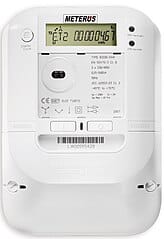
Smart grids empower consumers by providing detailed information about their energy usage and how to control energy consumption better. With smart meters and home energy management systems, consumers can monitor their energy use in real-time and make informed decisions to reduce consumption and save money. This engagement and transparency promotes a more energy-conscious culture, driving further efficiencies and conservation efforts.
Smart Meter in Action, Credit; Wikimedia/EVB Energie AG
Supporting the Development of Smart Cities
As cities worldwide strive to become smarter and more sustainable, smart grids play a crucial role in this transformation. By providing the foundational infrastructure for advanced energy management, smart grids enable cities to optimize their energy use, reduce carbon footprints, and support the development of smart city initiatives, such as electric vehicle charging stations and intelligent street lighting systems.
Enhancing Economic Benefits
The deployment of smart grids also brings significant economic benefits. By reducing energy waste, integrating renewable sources, and improving system reliability, smart grids can lead to substantial cost savings for both utilities and consumers. Moreover, developing and implementing smart grid technologies create new jobs and spur innovation in the clean energy sector.
Challenges and Considerations
While the benefits of smart grids are compelling, their implementation is challenging. There are some concerns regarding privacy and cybersecurity. Furthermore, the initial cost of upgrading infrastructure is also a topic that needs to be considered. However, with ongoing technological advancements and regulatory support, these challenges are increasingly being overcome, paving the way for broader adoption of smart grids.
The Path Forward
The transition to smart grids represents a critical step toward a more sustainable and efficient energy future. By leveraging the power of digital technology, smart grids offer a pathway to smarter energy use, a healthier planet, and a more resilient energy system.
The benefits of smart grid technology are transformative, covering every aspect of how energy is generated, distributed, and consumed. Due to climate change and growing energy demands, the smart grid stands out as a beacon of innovation and hope. Its ability to enhance efficiency, support renewable energy, and empower consumers marks a significant leap forward in our collective efforts to create a sustainable energy future.
As this technology continues to evolve, it’s clear that the smart grid is an essential tool for improving our energy systems and also a catalyst for broader societal change. Its implementation worldwide will undoubtedly continue to reveal even more benefits, offering a brighter, cleaner, and more efficient future for future generations.
Frequently Asked Questions (FAQ)
What is a smart grid? A smart grid is an electricity supply network that uses digital communications technology to detect and react to local changes in usage, improving the efficiency, reliability, and sustainability of electricity distribution.
How do smart grids save energy? Smart grids save energy by optimizing the delivery of electricity, reducing waste through real-time monitoring and management, and enabling consumers to use energy more efficiently with the help of smart meters and energy management systems.
Can smart grids integrate renewable energy? Yes, smart grids can integrate renewable energy sources such as solar and wind by managing their variability and ensuring a stable energy supply.
Are smart grids secure? While smart grids offer advanced features, they also incorporate stringent cybersecurity measures to protect against unauthorized access and ensure the privacy and security of consumer data.
How do smart grids benefit consumers? Consumers benefit from smart grids through improved energy efficiency, lower electricity costs, enhanced reliability of electricity supply, and the ability to monitor and control their energy use in real-time.