Memory is complex. Sometimes, something as simple as a smell can transport us back to that vacation we took in 2015. Other times, we walk into rooms and forget why we went there in the first place. The concept of memory has been a fascinating subject for scientists since, well, as long as they can remember!
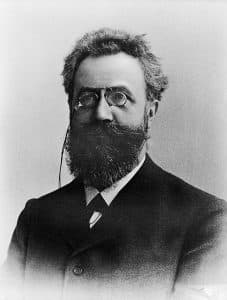
Hermann Ebbinghaus was a German psychologist, among the first to try and understand memory. He used himself as a subject. He came up with 2300 syllables that did not make sense to measure how his brain made associations to these words. After working tirelessly, he understood that memory is orderly. His work also explained that we tend to remember less and less as time passes.
German experimental psychologist Hermann Ebbinghaus. Credit: Wikimedia/Unknown Author
Types of memory
Since then, much work has been done to understand the complex phenomenon that is memory. Broadly, memory can be classified as “long-term” memory, “short-term” memory, and “sensory” memory.
Long-term memory refers to things we remember for days, months, and years. There is no true limit to what you can remember. Some of us remember what our best friend wore to our 5th birthday party, what gift they gave us, and even what the wrapping paper looked like. This is called episodic long-term memory, where we remember things because we have lived through them. Daily practices and activities, like driving, holding a fork, and writing your name, fall under a category known as procedural long-term memory. Another type, known as semantic memory, refers to facts, like dates, definitions, and concepts.
Short-term memory is what we store in our brains for a short period of time. We tend to forget these memories unless we actively try to remember them. Short-term memories last around 20–30 seconds, or sometimes even less. This type of memory is limited, and we can hold only around seven things in our mind at a time. New information is quick to replace older information in short-term memory. Sometimes when we forget someone’s name as soon as they tell us, it is because that information that was stored in our short-term memory was quickly replaced by other facts. When we actively remember short-term memories, they eventually become long-term memories.
The third type, sensory memory, is a type of short-term memory we gather through stimuli such as sight, smell, taste, and touch. This lasts for milliseconds and exists for a very short time even after the stimulushas ended.
Why do we forget?
When it comes to forgetting, there are two main theories as to how we forget things. The first is called the “decaying theory” in which we do not actively recall or repeat memories. Because of this, they eventually fade away. The second is the “interference theory,” which states that when we receive new information, it replaces old information.
These theories can be better understood by considering the things we learnt in school. Perhaps we studied really hard for our exams, but as soon as the exam was done, it was as though all the information just evaporated from our brains. Alternately, when moving on from one exam to the next, we replaced what we studied for science with what we needed to study for math.
How does human memory work?
Our brains are wonderfully complex. We have many parts that come together to help us remember things. These parts play roles in creating, storing, and recalling memories. When we are asked to remember something, we remember all of its individual aspects rather than remembering it as a whole. All these individual aspects come from different parts of the brain, even if it doesn’t feel that way. The parts of our brain involving memory work so well together that we don’t realize we are just putting bits and pieces together to create a full picture.
When creating a memory, the following steps are involved:
Memory encoding: This is the first step. This step involves the senses, like sight, sound, touch, and smell. Think about the first time you went swimming. The smell of chlorine, the cold water against your skin, the sound of water splashing and people talking and laughing—all of these sensations went to a part of the brain called the hippocampus. The hippocampus puts all these separate bits together to form one singular memory or experience. The hippocampus is helped by another part of the brain called the prefrontal cortex. Together, they decide if a memory is worth storing or not. If it is, it becomes a part of your long-term memory.
Memory retrieval: This step involves remembering and forgetting. When we remember things, we essentially retrieve those things from different parts of the brain. The next time we go swimming, we remember that we need to hold our breath under water, and how to kick our feet to move forward. These are things we encoded when we first went swimming. When we forget things, it is usually because we haven’t done a very good job of encoding it in the first place. So, there is a chance that rather than having forgotten something, we just never stored it well enough in our brains.
Different parts of the brain play different roles in memory and remembering. The 4 major areas involved are the amygdala, the hippocampus, the prefrontal cortex, and the cerebellum.
The amygdala helps remember fear. An experiment conducted to understand this showed that when a note was played as rats were given electric shocks, the rats started to associate that sound with the shock, and would freeze even when they weren’t being shocked. The nerve cells in the amygdala of these rats were then killed, and then the note played seemed to have no effect on the rats. Since the amygdala is so involved in emotional regulation, it helps create long-term memories, especially when these memories relate to emotional events.
The hippocampus is involved in recognition and recollection of tasks or events. When the hippocampi of rats were injured, scientists found that these rats were unable to recognize objects and run through mazes. This part of the brain also helps in converting short-term memories into long-term memories.
The cerebellum helps remember how to do everyday tasks and routine activities, like using chopsticks, tying your shoelaces, and buttoning your shirt.
The prefrontal cortex helps in remembering semantic concepts, including words and symbols.
The parts of the brain involved in memory. Credits: DepositPhotos/Pikovit
Conclusion
Human memory is still being studied and understood by scientists. Memory not only helps us with basic survival but is also an essential social concept. We have shared memories and experiences with friends and loved ones, allowing us to form and maintain close and special relationships.
However, diseases relating to memory, like Alzheimer’s disease and dementia, are on the rise. These diseases are caused by defects in the complex pathways that help us remember and retain information. In order to prevent these diseases, it is essential to keep our brains healthy. One way is by eating various foods like nuts, seeds, beans, and greens, all of which are considered brain foods. Puzzles, crosswords, and memory games also keep our brains sharp and healthy.
Flesch Kincaid Grade Level: 8.4
Flesch Kincaid Reading Ease: 61.5
Glossary
Stimulus (plural stimuli): An event that causes a response.
Sanjana is doing her masters in biochemistry. She loves all things biology and truly believes that dogs make the world a better place. She enjoys playing basketball and spends most of her evenings on the court. Writing for Smore Science gives her the creative freedom to write about science in a fun and relatable way.