In the era of information, data quietly governs much of our daily lives, often without us even noticing. It’s the invisible conductor of our digital symphony, orchestrating everything from the morning routines we follow to the social media feeds we scroll through before bed. This article dives into the myriad ways data is interwoven with our everyday experiences, providing insight and understanding for those curious about its pervasive influence.
Data in decision making
Every time you check the weather app on your phone to decide what to wear, you’re relying on data. Meteorological organizations collect data points from around the globe to predict weather patterns. This information helps in planning our day, and also in managing agriculture, disaster response, and even piloting airplanes. The accuracy of these predictions has improved dramatically over the years, thanks to advancements in data collection and analysis techniques.
Navigating the World with data
Think about the last time you used a map app to find the quickest route to your destination. These apps analyze vast amounts of data, including real-time traffic conditions, road closures, and even the speed at which other users are traveling, to offer you the best possible route. This seamless integration of data into our lives makes complex decisions simple, guiding us through the world with ease.

Personalized experiences online
Online shopping and streaming platforms use data to tailor recommendations to your personal tastes. Every click, purchase, and rating is a data point that feeds algorithms, enhancing their ability to predict what you might like next. This personalization extends to the ads you see, the news stories that appear in your feed, and even the emails that land in your inbox, all curated based on your digital footprint.
Health and Fitness Monitoring
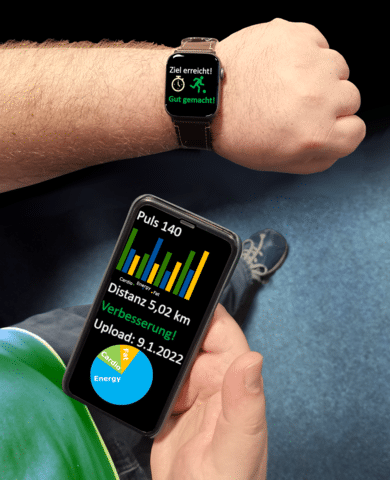
EschenzweigWearable technology has brought data collection to our wrists, tracking everything from steps and heart rate to sleep patterns and oxygen levels. This personal health data can reveal trends over time, offering insights into our physical well-being and encouraging healthier lifestyle choices. Moreover, aggregated data from these devices can contribute to medical research, offering a broader understanding of public health trends.
Enhancing educational tools
Data analytics are transforming education by providing personalized learning experiences. Platforms can adjust the difficulty of problems in real-time based on a student’s performance, helping to challenge learners at just the right level. This adaptive learning approach is supported by data analysis, ensuring that educational content is both engaging and effective.
Financial planning and security
Banking apps and websites use data to give us a comprehensive view of our finances, suggesting budgets based on spending habits and offering advice on saving money. On the security side, data analysis helps detect fraudulent activity, flagging unusual transactions for review to keep our money safe.
Environmental monitoring
Data plays a crucial role in monitoring environmental health, tracking everything from air quality to the movements of endangered species. Scientists use data collected via satellites and sensors to study climate change, deforestation, and ocean health, informing conservation efforts and policy decisions.
Public services and urban planning
Cities use data to improve public services, from optimizing trash collection routes to monitoring water quality and managing public transportation systems. Urban planners analyze data to design more efficient and sustainable cities, creating spaces that better serve their communities.
Entertainment and social connections
Data analysis shapes the entertainment industry, influencing everything from the movies that get produced to the music that tops the charts. Social media platforms use data to connect us with friends, family, and content that matches our interests, keeping us engaged and informed.
The future of data
As we look to the future, the role of data in our lives is set to grow even more integral. With developments in artificial intelligence and machine learning, the potential applications of data are vast, promising innovations that will continue to transform our daily experiences.
This exploration into the examples of data in everyday life reveals its foundational role in shaping our world. From improving personal health to enhancing public services, data’s impact is profound, weaving through the fabric of our daily activities to improve, inform, and inspire. As we become more aware of its influence, we can better appreciate how data enhances our understanding and experience of the world.
FAQs:
1. What is data security?
Data security is the practice of protecting digital information from unauthorized access, corruption, or theft throughout its entire lifecycle.
Contributors