In the ever-evolving landscape of health and wellness, technology continually paves the way for innovative tools that promise to enhance our understanding of our bodies. One such technological advancement is the Continuous Glucose Monitor (CGM), a device traditionally used by individuals with diabetes to manage their condition. However, its utility is expanding beyond this group, intriguing a new audience: non-diabetics interested in optimizing their health and lifestyle. This exploration into the use of CGM for non-diabetics offers a deep dive into the benefits, considerations, and scientific underpinnings of this practice.
CGMs track glucose levels in the interstitial fluid beneath the skin, providing real-time data on how these levels fluctuate throughout the day. For people with diabetes, this information is crucial for managing their condition. However, non-diabetics are turning to CGMs to gain insights into how their diet, exercise, and stress levels affect their blood sugar, aiming to optimize their overall well-being.

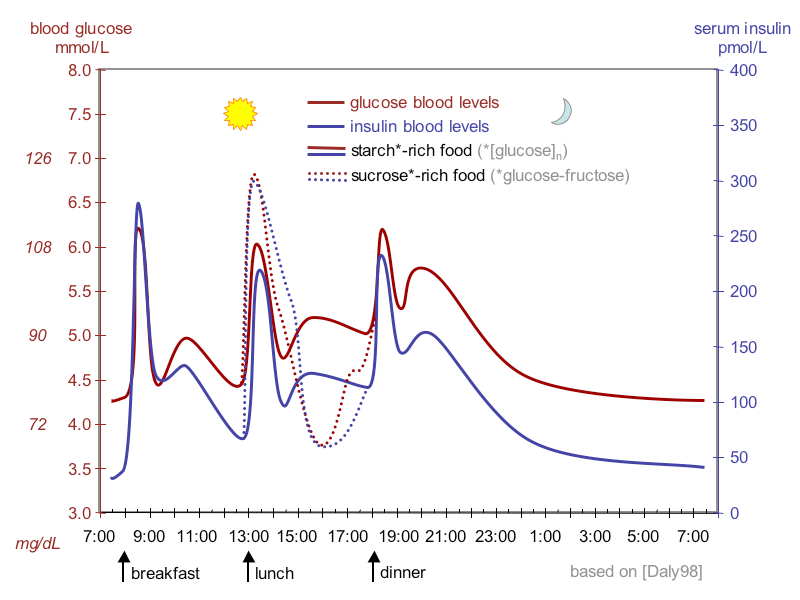
The rationale behind non-diabetics using CGMs lies in the growing recognition that blood sugar levels can impact a wide range of health aspects, even in individuals without diabetes. Fluctuations in glucose can influence energy levels, mood, and weight management and may even predict future health risks. This perspective is supported by research indicating that maintaining stable glucose levels can improve metabolic health and reduce the risk of developing conditions such as type 2 diabetes and cardiovascular disease.
Yet, the adoption of CGMs by non-diabetics is highly debated. Critics argue that without proper context and understanding, the data can be misinterpreted, leading to unnecessary anxiety or incorrect dietary choices. Furthermore, the cost of CGMs, not covered by insurance for non-diabetics, can be a significant barrier.
Despite these concerns, the potential benefits for non-diabetics interested in a data-driven approach to health cannot be understated. By monitoring glucose levels, individuals can identify foods or activities that cause undesirable spikes or drops in blood sugar, empowering them to make informed adjustments to their lifestyle.
The scientific community has begun to investigate the implications of CGM use in non-diabetics more thoroughly. Studies such as those published in “The Journal of Epidemiology” demonstrate that variations in glucose levels can affect cognitive function, mood, and overall energy levels, even within the non-diabetic range.
The practical application of CGM data can vary widely among non-diabetics. Some may use it to fine-tune their diet, aiming for foods that lead to stable glucose readings, while others might track how exercise or sleep patterns affect their blood sugar levels. This personalized data collection can lead to highly individualized health interventions.

However, the journey of using a CGM by a non-diabetic requires a level of literacy in interpreting the data. Misinterpretation can lead to undue stress or the adoption of restrictive diets that may not be beneficial. Users must approach the data critically and, ideally, with guidance from healthcare professionals.
The ethical and social implications of widespread CGM use among non-diabetics warrant consideration. There’s the potential for creating a divide between those who can afford these devices and those who cannot, raising questions about access to health optimization tools.
In conclusion, the use of CGMs by non-diabetics represents a fascinating intersection of technology, health, and personal optimization. While promising, it’s accompanied by challenges that require careful navigation. As research continues to unfold, it’s clear that the dialogue around CGMs for non-diabetics is just beginning. For those considering this technology, it offers a unique opportunity to take an active role in their health management, underscored by the need for informed decision-making and support from healthcare professionals.
This exploration into CGM use among non-diabetics highlights the potential benefits and emphasizes the importance of a balanced and well-informed approach to health technology adoption. As we move forward, it will be intriguing to see how the integration of such devices evolves and how it shapes our understanding of health beyond the realm of traditional medicine.
Frequently Asked Questions (FAQs)
Can non-diabetics really benefit from using a CGM?
Yes, non-diabetics can benefit from using a CGM to gain insights into how their lifestyle choices affect their glucose levels, potentially leading to better energy management, weight control, and overall health optimization.
Is it safe for non-diabetics to use a CGM?
CGMs are generally safe for non-diabetics to use. However, it’s important to consult with a healthcare professional before starting to ensure it’s appropriate for your health status and goals.
How does a CGM work?
A CGM monitors glucose levels in the interstitial fluid under the skin, providing real-time data on glucose fluctuations throughout the day. This information helps users understand how their diet, activity, and stress levels impact their blood sugar.
Can using a CGM prevent health issues for non-diabetics?
While a CGM can provide valuable insights into glucose management, it’s one tool among many for health optimization. Proper diet, regular exercise, and stress management are crucial for preventing health issues.
What are the primary considerations for non-diabetics using a CGM?
Non-diabetics should consider the cost, the need for proper data interpretation, and the potential for data to influence lifestyle changes. Consulting with healthcare professionals for data interpretation is advisable.
References
Lee, I., Probst, D., Klonoff, D. C., & Sode, K. (2021). Continuous glucose monitoring systems – Current status and future perspectives of the flagship technologies in biosensor research -. Biosensors and Bioelectronics, 181, 113054. https://doi.org/10.1016/j.bios.2021.113054
Klonoff, D. C., Nguyen, K. T., Xu, N. Y., Gutierrez, A., Espinoza, J. C., & Vidmar, A. P. (2023). Use of Continuous Glucose Monitors by People Without Diabetes: An Idea Whose Time Has Come? Journal of Diabetes Science and Technology, 17(6), 1686–1697. https://doi.org/10.1177/19322968221110830
Karakuş, K. E., Sakarya, S., Yeşiltepe Mutlu, G., Berkkan, M., Muradoğlu, S., Can, E., Gökçe, T., Eviz, E., & Hatun, Ş. (2021). Benefits and Drawbacks of Continuous Glucose Monitoring (CGM) Use in Young Children With Type 1 Diabetes: A Qualitative Study From a Country Where the CGM Is Not Reimbursed. Journal of Patient Experience, 8, 23743735211056523. https://doi.org/10.1177/23743735211056523
Shah, V. N., DuBose, S. N., Li, Z., Beck, R. W., Peters, A. L., Weinstock, R. S., Kruger, D., Tansey, M., Sparling, D., Woerner, S., Vendrame, F., Bergenstal, R., Tamborlane, W. V., Watson, S. E., & Sherr, J. (2019). Continuous Glucose Monitoring Profiles in Healthy Nondiabetic Participants: A Multicenter Prospective Study. The Journal of Clinical Endocrinology and Metabolism, 104(10), 4356–4364. https://doi.org/10.1210/jc.2018-02763
Liu, Z., Zaid, M., Hisamatsu, T., Tanaka, S., Fujiyoshi, A., Miyagawa, N., Ito, T., Kadota, A., Tooyama, I., Miura, K., & Ueshima, H. (2020). Elevated Fasting Blood Glucose Levels Are Associated With Lower Cognitive Function, With a Threshold in Non-Diabetic Individuals: A Population-Based Study. Journal of Epidemiology, 30(3), 121–127. https://doi.org/10.2188/jea.JE20180193
Robert H. Shmerling, Is blood sugar monitoring without diabetes worthwhile? June 11, 2021, Harvard Health Publishing.
https://docs.google.com/document/d/1Pba5mj5Pc1XIe7evqwZ34ABDnz6HsEzKBvovsMxVlVY/edit
Contributors
Copyright @smorescience. All rights reserved. Do not copy, cite, publish, or distribute this content without permission.
SUBSCRIBE TO OUR NEWSLETTER
.......... ..........Subscribe to our mailing list to get updates to your email inbox.
Monthly Newsletter