In times of high stress, many of us have felt our heart race and worried about the potential physical impacts. This raises an important question on the minds of many – can prolonged stress increase the chance of having a stroke ? Popular media and personal stories often link stress to heightened stroke risk, yet the true relationship remains tangled in complex medical research.
To provide clarity, this article will analyze the current scientific evidence behind stress as a potential stroke risk factor.
Understanding the stress response
Stress triggers the release of hormones like cortisol and adrenaline as part of the innate “fight-or-flight” response wired into our biology. When we perceive threats or demands exceeding our capacity, this cascade of stress hormones drives physiological changes to ready our bodies for action. Think increased heart rate, blood pressure, and metabolism.
In contrast, stroke is a severe medical event where blood flow to parts of the brain becomes blocked, often by a clot or ruptured vessel. Brain cells deprived of oxygen-rich blood quickly become damaged or die, creating a health emergency.
The debate lies in whether chronic stress indirectly heightens stroke risk. For example, a 2015 study in the Journal of Neurology, Neurosurgery & Psychiatry found participants with chronic stress had increased rates of stroke. This suggests that while stress itself doesn’t directly cause stroke, it potentially exacerbates other known risk factors.
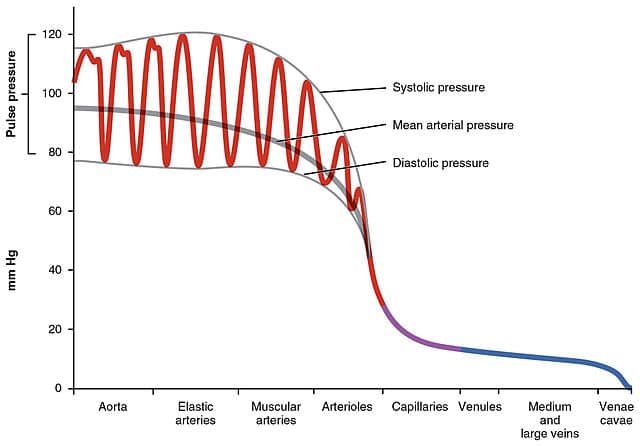
Research indicates chronic stress can accelerate conditions like hypertension and arterial plaque build-up over time. Furthermore, stress can lead to unhealthy coping mechanisms like smoking or overeating, each a notorious accomplice in stroke risk, as highlighted by the American Heart Association. Imagine stoking embers – stress may fuel a slow-burning fire rather than spark the initial flame. By influencing these underlying drivers, stress contributes to the stroke equation. However, more evidence is still needed to determine the extent and mechanisms of this relationship.
Systemic Blood Pressure, Credit; Wikimedia/OpenStax College
The role of lifestyle
It’s not just about the stress itself but how we handle it. How we live our lives under stress’s shadow can be a game-changer. A study in the Circulation Journal (2009) emphasized the importance of a healthy lifestyle in mitigating stroke risk, regardless of stress levels. It’s like having a sturdy umbrella in a rainstorm; the rain is still there, but you’re better protected.
In rare cases, extremely high stress can also elicit “ thunderclap headaches ” – sudden, explosive head pain resulting from rupture-prone vascular defects in the brain. A 2016 paper in the Journal of Head and Face Pain proposed these could potentially indicate heightened stroke risk short-term, though the likelihood is very low. This remains an emerging area still under investigation.
Overall the relationships are complex, but prioritizing health-promoting behaviors appears critical for long-term risk reduction.
Headache, Credit: Wikimedia/Phee
There’s also a psychological dimension to consider. Chronic stress is often a companion of anxiety and depression, which themselves have been linked to increased stroke risk. It’s a complex interplay where the mind and body dance together, sometimes stepping on each other’s toes.
So, what can we do? The key lies in managing stress and leading a healthy lifestyle. Regular exercise, a balanced diet, and mindfulness practices are not just buzzwords; they’re powerful tools.
While stress alone might not directly cause a stroke, it’s a significant piece of a larger puzzle. By understanding the intricate relationship between our mental well-being and physical health, we can take proactive steps to reduce our stroke risk and live healthier, happier lives.
Glossary
Cortisol: A steroid hormone released by the adrenal glands in response to stress or low blood glucose levels.
Adrenaline: Also known as epinephrine, a hormone and neurotransmitter involved in the body’s fight-or-flight response.
Chronic Stress: Long-term stress that persists over an extended period of time.
Hypertension: High blood pressure, a condition in which the force of the blood against artery walls is too high.
Stroke: A medical condition where blood supply to part of the brain is interrupted or reduced, preventing brain tissue from getting oxygen and nutrients.
Thunderclap Headache: A severe headache that reaches its most intense point within seconds or minutes and can be a sign of serious medical conditions.