Introduction: Can sarcopenia be reversed? Unraveling the mystery of age-related muscle loss.
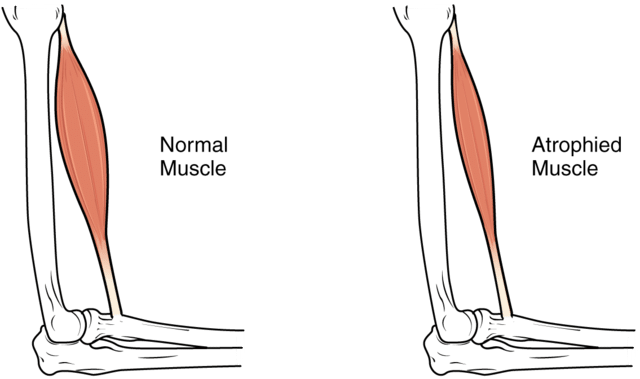
During aging, our bodies undergo various changes, and one such change that often slips under the radar is sarcopenia. This term, which might sound like a character from a Greek tragedy, is actually a condition characterized by the loss of muscle mass and muscle strength on aging. But here’s the burning question: can this inevitable slide into muscle decline be reversed? To unravel this mystery, let’s dive into the world of muscles, aging, and science.
The lowdown on sarcopenia: More than just muscle loss
Sarcopenia isn’t just about losing muscle; it’s a compilation of various biological factors. As we age, our bodies become less efficient at synthesizing proteins, leading to a decrease in muscle mass. It’s not just a matter of looking less buff at the beach; this condition can impact our mobility, balance, and overall quality of life. But wait, there’s more! Sarcopenia also plays a sneaky role in increasing the risk of falls and fractures, making it a significant public health concern.
Peeking under the microscope: What does science say?
To understand if reverse sarcopenia can be achieved, we need to look at the evidence. A study published in the ‘Journal of Cachexia, Sarcopenia and Muscle’ (2018) sheds light on this. Researchers found that resistance training, i.e., lifting weights by gym-goers, significantly improves muscle strength and mass in older adults. It seems like those dumbbells might just be our best friends in the fight against muscle loss.
The role of nutrition: Fueling muscle regrowth
You are what you eat, right? This adage holds especially true when combatting sarcopenia. Amino acids, the building blocks of proteins, are crucial in this battle. A study in the ‘American Journal of Clinical Nutrition’ (2017) highlighted the importance of protein intake in older adults. It turns out that upping your protein game might help keep those muscles robust.
Exercise: Not just for the young
We’ve all heard the saying, “Move it or Lose it,” and it’s particularly apt here. Exercise is a cornerstone in managing sarcopenia. Aerobic exercises, like brisk walking or cycling, are great, but the real MVPs are resistance and strength training exercises. According to a study in ‘Frontiers in Physiology’ (2018), these exercises do wonders for muscle mass and strength in older adults.
The power of combining diet and exercise
Exercise and diet independently play a vital role, but together, they are a powerhouse. A study in the ‘Journal of the American Medical Directors Association (2017) found that combining resistance training with increased protein intake significantly improved muscle mass and strength in older adults. It is like a tag team for your muscles!

The role of hormones and supplements: a helping hand?
There is more to the story than just diet and exercise. Testosterone and growth hormone decrease with age,thereby affecting muscle mass. Some studies suggest that hormone replacement therapy might help, but it is a gray area with potential risks. Then there is the world of supplements, like creatine and vitamin D, which some research suggests may aid muscle growth and strength.
The future of sarcopenia treatment: What is on the horizon?
Science never sleeps, and researchers always look for new ways to combat sarcopenia. Emerging treatments, like selective androgen receptor modulators (SARMs), show promise in early studies. These could provide the benefits of hormone therapy without the same level of risks.
Personalizing the fight: One size does not fit all
It is important to remember that everyone’s body is different. What works for one person might not work for another. Consulting healthcare professionals to plan a diet and exercise that suits the individual is crucial.
Conclusion
The takeaway: Hope on the horizon
So, can sarcopenia be reversed? The answer is cautiously optimistic. With a combination of strength training, adequate protein intake, and possibly some help from supplements and hormone therapy, there is hope for maintaining muscle mass and strength as we age. It is not a guaranteed reversal, but it is certainly a fight worth fighting. As with any health-related endeavor, it is essential to consult healthcare professionals to find the best approach for your unique body and circumstances.
Remember, sarcopenia might be a natural part of aging, but that does not mean we have to accept it lying down. With the right tools and knowledge, we can stand firm against the tide of time, one muscle fiber at a time.
Contributors