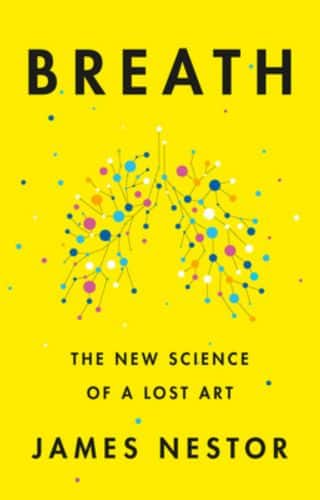
“Breath: The New Science of a Lost Art” by James Nestor explores the importance of conscious breathing for overall health and well-being. Nestor delves into the historical, cultural, and scientific aspects of breathing, highlighting the negative effects of chronic mouth breathing and the benefits of nasal breathing. He discusses various breathing techniques, their impact on physical and mental performance, and their potential for transforming lives. The book also explores the connection between breathing and sleep, digestion, stress management, and emotional well-being. Nestor encourages readers to pay attention to their breath and harness its power to improve their lives.
DETAILED SUMMARY OF THE BOOK
Chapter 1: The Experiment
Key points:
– Mouth breathing may lead to various health issues.
– Nasal breathing has numerous benefits for overall well-being.
– The experiment highlights the importance of paying attention to our breathing habits.
Highlighted sentence:
“The first clue came from our faces—specifically, our jaws.”
Chapter 2: The Sacred and the Profane
Key points:
– Breath has been regarded as sacred in many ancient cultures.
– Breathing practices have been used for physical and mental well-being for centuries.
– Modern lifestyle and environmental factors have negatively impacted our breathing patterns.
Highlighted sentence:
“Chronic mouth breathing, a main cause of snoring and sleep apnea, is associated with cavities, crooked teeth, and other facial deformities.”
Chapter 3: The Dawn of Oxygen
Key points:
– The rise of oxygen in the atmosphere brought about significant changes in living organisms.
– Carbon dioxide plays a crucial role in regulating our breathing.
– Our understanding of oxygen and carbon dioxide has deepened over centuries.
Highlighted sentence:
“Breathing less helps us live more.”
Chapter 4: The Switch
Key points:
– Chronic mouth breathing affects various bodily functions negatively.
– The switch from nasal to mouth breathing can be traced back to historical and societal factors.
– Mouth breathing leads to sleep disorders, decreased oxygen intake, and other health issues.
Highlighted sentence:
“Breathing in and out through the mouth is not ideal, particularly when it’s done during the night.”
Chapter 5: The Life-Changing Second
Key points:
– Conscious control of breathing can enhance overall health and well-being.
– Techniques like Buteyko breathing and the Wim Hof method offer various benefits.
– Breathwork can positively influence athletic performance and stress management.
Highlighted sentence:
“Our breath can be used to calm us, energize us, and even provide clarity.”
Chapter 6: Breath and Blood
Key points:
– Breathing affects our cardiovascular system and blood circulation.
– Proper breathing techniques can improve heart rate variability and oxygenation.
– Breath-holding exercises have potential therapeutic benefits.
Highlighted sentence:
“Breathing techniques can modulate our stress responses and help us find balance.”
Chapter 7: The Enteric Nervous System
Key points:
– The enteric nervous system plays a vital role in digestion and gut health.
– Breathing exercises can positively impact the gut-brain axis.
– Conscious breathing can improve digestion and alleviate stress-related gastrointestinal issues.
Highlighted sentence:
“The simple act of breathing affects the way our food is processed, how fast our heart beats, how we think, how we feel, and even the size of our pupils.”
Chapter 8: Breathing in the Modern World
Key points:
– Modern lifestyle factors contribute to suboptimal breathing patterns.
– Mindful breathing practices and environmental modifications can promote better breathing habits.
Highlighted sentence:
“Learning to breathe better can help reverse some of the damage our modern lives have caused.”
Chapter 9: Breathing and Sleep
Key points:
– Breathing plays a crucial role in quality sleep.
– Sleep disorders like sleep apnea have far-reaching health consequences.
– Nasal breathing and positional changes can enhance sleep and breathing patterns.
Highlighted sentence:
“Addressing breathing issues during sleep can lead to transformative improvements in our health and well-being.”
Chapter 10: Breathlessness
Key points:
– Breathlessness can arise from various medical conditions.
– Breathwork techniques offer relief and support for individuals experiencing breathlessness.
– Conscious breathing can positively influence emotional responses to breathlessness.
Highlighted sentence:
“By exploring our breath and improving the way we breathe, we can better navigate breathlessness and improve our quality of life.”
ACTIONABLE TIPS FROM THE BOOK
Here are some actionable tips from “Breath: The New Science of a Lost Art” that you can incorporate into your daily life:
Practice nasal breathing: Make a conscious effort to breathe through your nose rather than your mouth whenever possible. Nasal breathing helps filter, warm, and humidify the air, improving lung function and overall health.
Pay attention to your posture: Maintain good posture throughout the day to allow for optimal breathing. Sit or stand up straight, with your shoulders back and your head aligned with your spine. This posture allows for better lung expansion and airflow.
Take breaks for deep breathing: Incorporate short breaks throughout your day to focus on deep, slow breaths. This can help calm your nervous system, reduce stress, and increase oxygenation.
Practice breath-holding exercises: Explore breath-holding exercises to improve lung capacity and oxygen utilization. Start with gentle breath holds and gradually increase the duration as you become more comfortable.
Modify your sleep environment: Create a sleep environment that promotes nasal breathing and optimal breathing patterns. Keep your bedroom well-ventilated and free from allergens. Consider using nasal strips or a humidifier to improve nasal airflow.
Maintain a mindful approach to breathing: Develop mindfulness around your breath by periodically checking in with your breathing patterns. Throughout the day, take a few moments to focus on slow, deep breaths and observe the sensations in your body.
Seek professional help if needed: If you suspect you have breathing issues or sleep disorders, consider seeking professional help from a healthcare provider. They can provide a proper diagnosis and guide you on appropriate treatment options.
Remember that each person is unique, and it’s important to listen to your body. Experiment with different techniques and find what works best for you. By incorporating these actionable tips into your daily routine, you can improve your breathing habits and experience the benefits of conscious breathing.
THREE OF THE MOST INTRIGUING EXPERIMENTS DISCUSSED IN THE BOOK
“Breath: The New Science of a Lost Art” discusses several intriguing experiments related to breathing. Here are three of the most interesting experiments shared in the book:
1. The Mouth Breathing Experiment: Author James Nestor conducted a personal experiment in which he blocked his nose for ten days and breathed exclusively through his mouth. During this period, Nestor experienced significant negative effects on his health, including increased blood pressure, snoring, sleep apnea, and dental issues. This experiment highlighted the detrimental impact of chronic mouth breathing on overall well-being.
2. The Buteyko Breathing Method: The book explores the Buteyko Breathing Method, developed by Russian physician Dr. Konstantin Buteyko. Nestor describes an experiment in which participants were trained in Buteyko breathing techniques. Through the practice of reduced breathing and breath holds, participants were able to improve their respiratory health, reduce symptoms of asthma, and increase tolerance to carbon dioxide. This experiment highlights the potential of breath control exercises for enhancing breathing and overall health.
3. The Impact of Breath on Blood Vessels: Nestor delves into a study conducted by Dr. John and Vera Stroebel in which they investigated the effects of nasal and mouth breathing on blood vessel diameter. Using a video microscope, they observed that nasal breathing resulted in consistent dilation of blood vessels, while mouth breathing led to erratic and restricted blood flow. This experiment demonstrated the significant influence of breathing patterns on blood circulation and the potential cardiovascular benefits of nasal breathing.
These experiments, among others described in the book, provide scientific evidence of the profound effects that breathing techniques and habits can have on our physical and mental well-being. They underscore the importance of conscious breathing and encourage readers to explore different practices to optimize their respiratory health.
In “Breath: The New Science of a Lost Art,” James Nestor offers a compelling exploration of the science and significance of breathing. Through historical insights, personal anecdotes, and scientific research, Nestor reveals the detrimental effects of chronic mouth breathing and advocates for the transformative power of conscious breathing techniques. He emphasizes the role of breath in overall health, sleep, digestion, and emotional well-being. By understanding and harnessing the power of breath, Nestor suggests that we can enhance our lives and reclaim this vital yet often neglected aspect of our existence.
*Please Note: This post contains affiliate links which means if you make a purchase, we may get a small commission on qualifying purchases but it doesn’t cost anything more to you. Your purchases support us and help bring more resources to you.