Table of Contents
Introduction to AI image generators
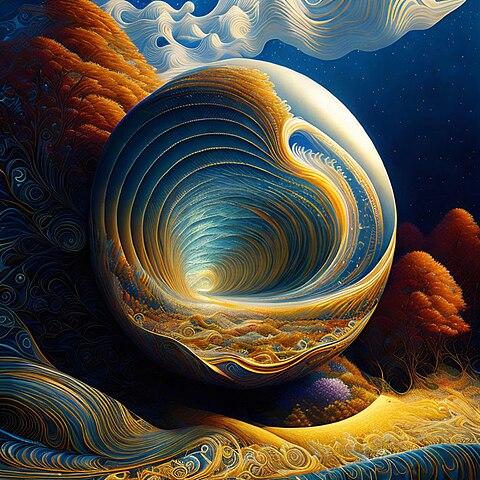
In today’s digital age, artificial intelligence (AI) has revolutionized the way we create and interact with images. Among these innovations, AI image generators stand out, offering a unique blend of technology and creativity. These tools use advanced algorithms to produce images from textual descriptions, opening up a world of possibilities for artists, designers, and hobbyists alike. This article delves into the best free AI image generators available, providing insights into their features, usability, and how they are changing the landscape of digital art.
Understanding AI image generation
AI image generators work by interpreting text inputs and converting them into visual representations. This process involves complex machine learning models , primarily Generative Adversarial Networks (GANs) , which learn from vast datasets of images to understand and replicate various artistic styles and subjects. The result is an AI capable of producing highly detailed and diverse images based on user descriptions. It’s a fascinating blend of technology and artistry, making these tools accessible to anyone with a creative idea.
Criteria for evaluating AI image generators
When evaluating AI image generators, several factors come into play. The quality and resolution of generated images are paramount. The diversity and accuracy of the images in reflecting the input text are also crucial. User interface and ease of use are important for accessibility, especially for those without a technical background. Additionally, the speed of image generation and the tool’s ability to handle complex prompts matter for user experience.
Popular free AI image generators
Several free AI image generators have gained popularity due to their impressive capabilities and user-friendly interfaces. For instance, OpenAI’s DALL-E Mini offers a straightforward platform for creating images from text prompts. Another example is DeepArt, which uses neural networks to turn photos into artworks in the style of famous painters. These tools demonstrate the range and versatility of free AI image generators.

Deep dive: Dall-e mini
DALL-E Mini, a downscaled version of OpenAI’s more powerful DALL-E, stands out for its simplicity and effectiveness. It allows users to input text prompts and generates multiple images in response. While the resolution and detail may not match its more advanced counterparts, DALL-E Mini provides a glimpse into the potential of AI in creative fields. Its ease of use makes it a popular choice for beginners and those looking to experiment with AI-generated art.
Exploring deepart's unique approach
DeepArt offers a different take on AI image generation, focusing on transforming existing images into artworks. Users upload a photo and choose an artistic style, and DeepArt’s algorithm reimagines the photo in that style. This tool is particularly appealing to photographers and digital artists looking to add a unique flair to their work. Its ability to mimic styles from Van Gogh to contemporary artists showcases the tool’s versatility.
The role of datasets in ai image generation
The quality of AI-generated images heavily depends on the datasets used to train the AI models. These datasets comprise millions of images, covering a wide range of styles, subjects, and compositions. The diversity and comprehensiveness of these datasets are crucial for the AI to learn and accurately reproduce various artistic elements. However, this reliance on datasets also raises questions about copyright and ethical considerations in AI art.
Ethical considerations and copyright issues
As AI image generators become more prevalent, they bring ethical and copyright concerns to the forefront. Issues around the originality of AI-generated art and the use of copyrighted materials in training datasets are hotly debated. Users of AI image generators should be aware of these discussions and consider the implications of their creations, especially if used for commercial purposes.
Future of AI image generation
The future of AI image generation looks promising, with continuous advancements in AI technology. We can expect improvements in image quality, resolution, and the AI’s ability to understand more nuanced and complex prompts. Additionally, as these tools become more accessible, we’ll likely see a surge in AI-assisted art, opening new avenues for creativity and expression.

Conclusion: Embracing AI in art and design
AI image generators represent a significant step forward in the intersection of technology and art. These tools offer exciting opportunities for creativity and experimentation, making art creation more accessible than ever. As we explore the best free AI image generators, it’s important to appreciate the technology behind them and understand the broader implications of their use. Whether you’re an artist, designer, or hobbyist, the world of AI image generation is an exciting frontier worth exploring.
Glossary
Artificial Intelligence (AI): A branch of computer science dealing with the simulation of intelligent behavior in computers, enabling them to perform tasks that typically require human intelligence.
Generative Adversarial Networks (GANs): A class of machine learning frameworks where two neural networks contest with each other in a game, enabling the generation of new, synthetic instances of data that can pass for real data.
Neural Networks: Computing systems inspired by the biological neural networks that constitute animal brains, used to recognize patterns and solve complex problems in AI applications.
Machine Learning Models: Algorithms that enable software applications to become more accurate at predicting outcomes without being explicitly programmed to do so, by using historical data as input.
Datasets: Collections of data, often used in machine learning and AI, to train algorithms to recognize patterns, make decisions, or generate new content.
References
Goodfellow, I. J., Mirza, M., Xu, B., Ozair, S., Courville, A., & Bengio, Y. (2014). Generative Adversarial Networks. ArXiv. /abs/1406.2661
Radford, A., Kim, J. W., Hallacy, C., Ramesh, A., Goh, G., Agarwal, S., Sastry, G., Askell, A., Mishkin, P., Clark, J., Krueger, G., & Sutskever, I. (2021). Learning Transferable Visual Models From Natural Language Supervision. ArXiv. /abs/2103.00020
Gatys, L. A., Ecker, A. S., & Bethge, M. (2015). A Neural Algorithm of Artistic Style. ArXiv. /abs/1508.06576
DALL·E: Creating Images from Text,” OpenAI, https://openai.com/blog/dall-e/.
DeepArt. “Turn Photos into Art – DeepArt.” *DeepArt Official Website*, 2021.
Contributors
Copyright @smorescience. All rights reserved. Do not copy, cite, publish, or distribute this content without permission.
SUBSCRIBE TO OUR NEWSLETTER
.......... ..........Subscribe to our mailing list to get updates to your email inbox.
Monthly Newsletter