Advanced bioanalytical services play a key role in ensuring the safety, efficacy and quality of biologics by providing essential tools and methodologies to characterize drug substances, detect impurities and assess stability throughout the development lifecycle. With biologics being structurally complex and sensitive to manufacturing variations, robust analytical testing is essential to maintaining consistency and compliance.
Biologics Analytical Services Landscape
The biologics analytical services landscape is defined by stringent regulatory expectations and the need for robust testing methodologies to ensure product quality and patient safety. That area has evolved significantly in response to increasing regulatory scrutiny and the growing complexity of therapeutic proteins, monoclonal antibodies, cell and gene therapies, and biosimilars.
Stability testing plays a crucial role in understanding the shelf life and long-term performance of biologics. Conducted on in-process samples, intermediates, drug substances, and drug products, these studies assess degradation pathways, physicochemical stability, and functional integrity under various storage conditions. Forced degradation studies, accelerated stability testing, and long-term stability programs are critical to defining appropriate formulation and storage parameters for regulatory submissions.
Key Bioanalytical Techniques for Quality Control of Biologics
Quality control of biologics requires an integrated approach that spans from early-stage characterization to GMP-compliant release testing. The adoption of advanced bioanalytical techniques enables the identification of critical quality attributes (CQAs) and critical process parameters (CPPs), ensuring that biologic products meet regulatory expectations. These services include technology transfer, biosimilars comparability and stability studies, quality target product profile (QTPP) assessments, forced degradation testing, impurity profiling, and biosafety testing.
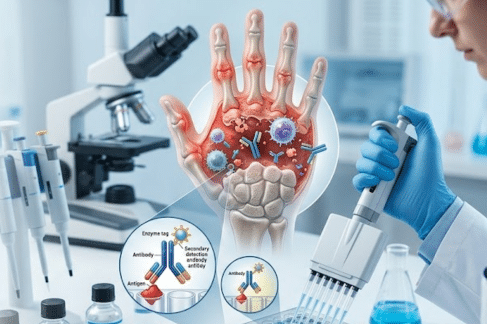
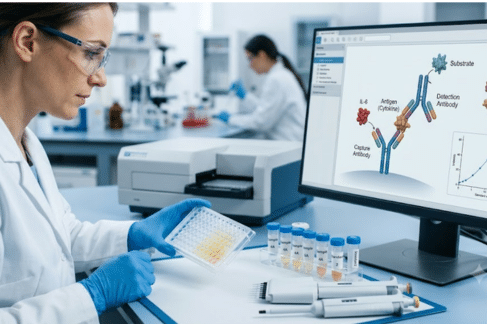
The application of orthogonal analytical methods enhances detection sensitivity and specificity, allowing for the precise evaluation of process- and product-related impurities, structural integrity, and biological function. Structural analytics, such as circular dichroism (CD) spectroscopy, assess secondary and tertiary protein structures, while protein-protein interaction assays like surface plasmon resonance (SPR) and enzyme-linked immunosorbent assays (ELISA) evaluate Fc receptor (FcR) binding. Additionally, bioassays, including antibody-dependent cellular cytotoxicity (ADCC), antibody-dependent cellular phagocytosis (ADCP), and complement-dependent cytotoxicity (CDC), provide essential insights into biologic drug mechanisms.
GMP release testing of drug substances and drug products is a regulatory requirement that ensures batch-to-batch consistency, product potency, and safety. It ensures that every batch of drug substance and drug product meets predefined specifications before reaching patients. This includes potency, purity, identity, and safety assessments performed using validated analytical methods. Routine and in-process testing of intermediates and drug substances allows for real-time monitoring of critical process parameters, ensuring manufacturing consistency and compliance with regulatory standards. Routine and in-process testing, analytical method development, optimization, and validation processes further support the overall quality assurance strategy, enabling compliance with global regulatory standards.
Best Practices and Case Studies in Biologics Quality Control
Adopting best practices in bioanalytical services ensures compliance, product consistency, and accelerated drug development. One key practice is the implementation of rigorous biosafety testing protocols. A case study involving a recombinant protein demonstrated how advanced mycoplasma and endotoxin detection strategies prevented contamination issues, allowing seamless regulatory approval and manufacturing continuity.
Another essential practice is the transfer and validation of analytical methods in compliance with cGMP standards. In one instance, a monoclonal antibody manufacturer successfully transferred a glycosylation analysis method from development to large-scale production. The validated method reduced batch variability by 25%, ensuring greater reproducibility and meeting regulatory expectations.
Forced degradation and stability studies have been instrumental in defining robust formulation strategies. A case study on a biosimilar product revealed how accelerated stability testing under various stress conditions identified key degradation pathways, enabling the optimization of excipient composition. As a result, the final formulation achieved a two-year shelf-life extension while maintaining potency and efficacy.
Biosafety testing is an essential component of biologics quality control, addressing the presence of potential contaminants such as endotoxins, mycoplasma, and adventitious viruses. This testing ensures the sterility and microbiological safety of biologic drug substances and drug products, in accordance with pharmacopeial guidelines and regulatory requirements.
The Qualified Person release process serves as the final quality control checkpoint. This involves thorough documentation review, assessment of analytical results, and adherence to regulatory filings. Qualified Person confirm that biologics meet all necessary safety and efficacy criteria before reaching the market.
Regulatory Considerations and Future Trends in Bioanalytical Services
Regulatory agencies such as the FDA and EMA require rigorous bioanalytical testing to ensure biologics safety, efficacy, and quality. Compliance with International Council for Harmonization (ICH) guidelines [5], as well as European and United States Pharmacopeia (EP and USP) standards, is essential for successful regulatory submissions.
The integration of regulatory considerations is driving the future of biopharma analytics. By adopting best practices in analytical testing and leveraging the expertise of specialized service providers, the biopharma industry can ensure the consistent quality of biologics and accelerate their path to commercialization.
Conclusion
As biologics continue to dominate the pharmaceutical market, the demand for advanced bioanalytical services will only grow. Ensuring rigorous quality control of biologics through sophisticated analytical methodologies is essential for regulatory compliance, product safety, and therapeutic efficacy. A comprehensive biologics analytical services strategy includes early-stage characterization, process monitoring, impurity detection, functional assessments, and cGMP release testing.
Advanced bioanalysis techniques, such as structural analytics, cell-based assays, and pharmacokinetic studies, provide critical insights into biologic drug performance. The integration of regulatory considerations and innovative analytical technologies is driving the future of biopharmaceutical analytics. By adopting best practices in bioanalytical testing and leveraging the expertise of specialized analytical service providers, the biopharma industry can ensure the consistent quality of biologic drugs and accelerate their path to commercialization.
References
1. Blümel M, et al. Current Industry Best Practice on in-use Stability and Compatibility Studies for Biological Products. J Pharm Sci. 2023; 112: 2332-2346.
2. Wójcik-Bojek U., Enhancing biotechnological research with Design of Experiments, Mabion Science Hub, 2024.
3. FDA, Current Good Manufacturing Practice (cGMP) Regulations, 2025.
4. Mosley J., et al. Establishing a framework for best practices for quality assurance and quality control in untargeted metabolomics. Metabolomics. 2024; 20: 20.
5. International Council for Harmonisation Guideline, Bioanalytical Method Validation and Study Sample Analysis M10, 2022.
Copyright @smorescience. All rights reserved. Do not copy, cite, publish, or distribute this content without permission.
SUBSCRIBE TO OUR NEWSLETTER
.......... ..........Subscribe to our mailing list to get updates to your email inbox.
Monthly Newsletter