Imagine that you’re enjoying a warm summer afternoon, and suddenly, you feel thirsty. But you want a pang of refreshment too. What’s the first thing that comes to your mind? For many of us, it’s a refreshing, fizzy drink, right? These fizzy drinks, or as scientists like to call them, CO2 drinks, are a big hit worldwide. But have you ever wondered what makes these drinks fizzy and fun? The secret ingredient is carbon dioxide , which is also known as CO2.
Carbonated drink, Credit; Wikimedia/National Institute of Korean Language
How Does CO2 Makes Drink Fizzy?
CO2 is a colorless, odorless gas that, when added to drinks, creates all the lovely fizz. CO2 is added to these drinks under high pressure. This pressure is so intense that the gas changes its form and dissolves in the drink, forming carbonic acid . This acid is what gives your tongue a little tingle when you take a sip.
This is not magic but a cool science phenomenon known as “ carbonation .” It’s this carbonation process that makes soft drinks, sparkling water, and even some types of juice fizzy. And it’s not just about the fizzy sensation; carbonation also enhances the taste of these beverages, making them even more enjoyable.
The Science Behind the Fizz
Let’s dive a little deeper into the science behind this fizz. When CO2 is dissolved in water, it forms an acid called carbonic acid. But don’t worry, this acid isn’t strong enough to harm us. It is a weak acid. However, it is strong enough to stimulate the nerves in our tongue and mouth. This stimulation creates the fizzy sensation that we experience when we drink a CO2 drink.
Now, if we leave a bottle of this fizzy drink open, you’ll notice that the drink eventually loses its fizz. Why? Because CO2, being a gas that has been forcefully dissolved into liquid under pressure, starts to escape into the air. Think of how air inside a balloon is released when we open the mouth. This is why your drink doesn’t taste as good once it goes flat. The gas has escaped, and the drink no longer stimulates your taste buds the same way.
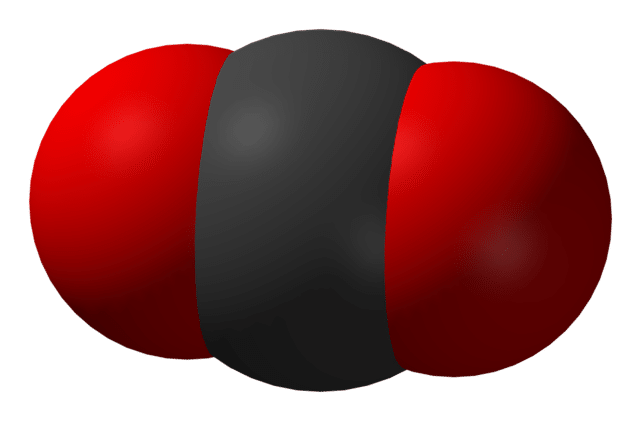
CO2 Molecule, Credit; Wikimedia/ Benjah-bmm27
CO2 Drinks and Our Health
There’s always a big question about whether CO2 drinks are healthy or not. As long as you enjoy them in moderation, most experts say it’s okay. The CO2 in these drinks isn’t harmful, but other ingredients, like sugar and certain chemicals, can be. It’s always a good idea to check the label before you gulp down your favorite fizzy drink.
Also, don’t forget to drink lots of water too. While fizzy drinks are fun and tasty, nothing beats the health benefits of plain, good old water.
Exploring the World of CO2 Drinks
CO2 drinks aren’t just about soda pops. There’s a whole world of fizzy beverages to explore. Sparkling water is a popular choice for those who want the fizz but not the sugar. Kombucha, a type of fermented tea, also has a natural fizz due to the fermentation process. Even some fruit juices come in carbonated versions.
The fun of science lies in the simplicity of its presence. The trapped gaseous fizz is nothing more complex than anything you would encounter in a science fair project, right there in your glass.
Glossary
Carbon Dioxide (CO2): A colorless, odorless gas that is present in the atmosphere and is vital for the process of photosynthesis.
Carbonation: A process that involves dissolving carbon dioxide in water, resulting in the formation of carbonic acid, which gives drinks their fizz.
Carbonic Acid: A weak acid formed when carbon dioxide is dissolved in water. This acid creates a tingly sensation on the tongue when drinking carbonated beverages.