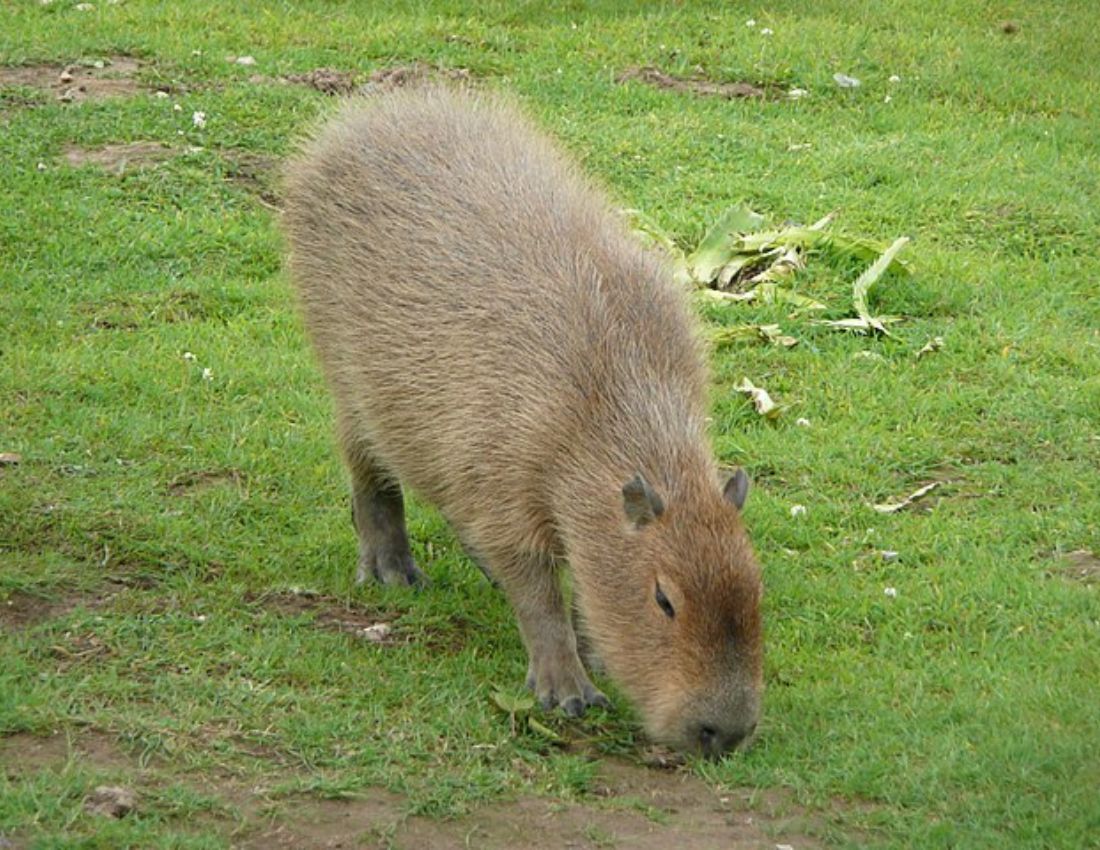
Capybaras, those adorable giants of the rodent world, have captured the hearts of many with their charming appearances and gentle disposition. But have you ever wondered where these social creatures call home in the wild?
Capybaras, known for their sociable nature, thrive in South America, making them the ultimate party animals of the animal kingdom. They’re often seen in groups, and these gatherings aren’t your average shindig; they’re essential for survival. Living in harmony is their mantra; these creatures do it like no other.
These cuddly rodents aren’t picky in homes, but they have a soft spot for watery wonders. Capybaras are particularly fond of riverbanks, marshes, and lush, grassy areas. Their semi-aquatic lifestyle keeps them cool, offers ample food, and provides protection from predators. They’re excellent swimmers and can hold their breath for up to five minutes. Rivers and lakes provide a convenient escape route from predators and a place to cool off on scorching days.
One remarkable trait of capybaras is their adaptability . They’re known to inhabit diverse ecosystem , from the Andes Mountains to the Pantanal wetlands. This flexibility makes them one of nature’s most versatile survivors.
The lush Amazon rainforest represents the heart of capybara terrain, offering ideal conditions for these remarkable rodents to thrive. Over half of the world’s remaining rainforest lies within nine countries of South America, providing over 2.1 million square miles of biodiversity tropical paradise enriched by the Amazon River system’s aquatic highways.
Within this vast emerald jungle, capybaras enjoy a diverse menu of vegetation. They dine on grass, aquatic plants, shrubs, fruit, tree bark, and more, thanks to the rainforest’s rich assemblage of flora. The Amazon’s year-round growing season supplies a continual bounty.
Capybaras also benefit from the rainforest’s ample water sources, spending much of their time wading, swimming, and soaking in slow-moving bodies of water dotted amongst the lush greenery. These semi-aquatic habitats offer cooling relief from the humid climate and refuge from jungle predators .
When not in the water, capybaras nimbly navigate through flooded forests and maze-like wetland channels. Their sheer size gives them few natural predators within the rainforest, allowing stable capybara populations to thrive across the Amazon Basin.
Aerial view of the Amazon Rainforest, Credit: Wikimedia/lubasi
The grasslands and savannas
Outside the rainforest boundaries, capybaras also readily inhabit the tropical grassland plains and savannas scattered across parts of South America. Capybaras graze abundantly on grasses and other ground vegetation nourished by seasonal rainfalls on these open expanses.
While the lush rainforests may offer more abundant food sources year-round, the savannas provide their own benefits for capybara survival. Their flat landscapes deliver excellent visibility against would-be predators, especially during the vulnerable dry seasons when cover is scarce. These adaptable giants exploit both landscapes masterfully on their path to proliferation across South America.
For the highly adaptable capybara, the diverse ecosystems strike an ideal balance between aquatic and terrestrial habitats. If any creature can harness the shifting habitat mosaics of in the future, the smart money lies with these adaptable giants.
Glossary
Semi-Aquatic: Refers to organisms that can live both in water and on land.
Biodiversity: The variety and variability of life forms within a particular habitat or ecosystem.
Ecosystem Engineers: Species that significantly modify their environment, often creating habitats that benefit other species.
Adaptability: The ability of an organism to adjust and thrive in different environmental conditions.
Predators: Animals that hunt and feed on other animals (prey).