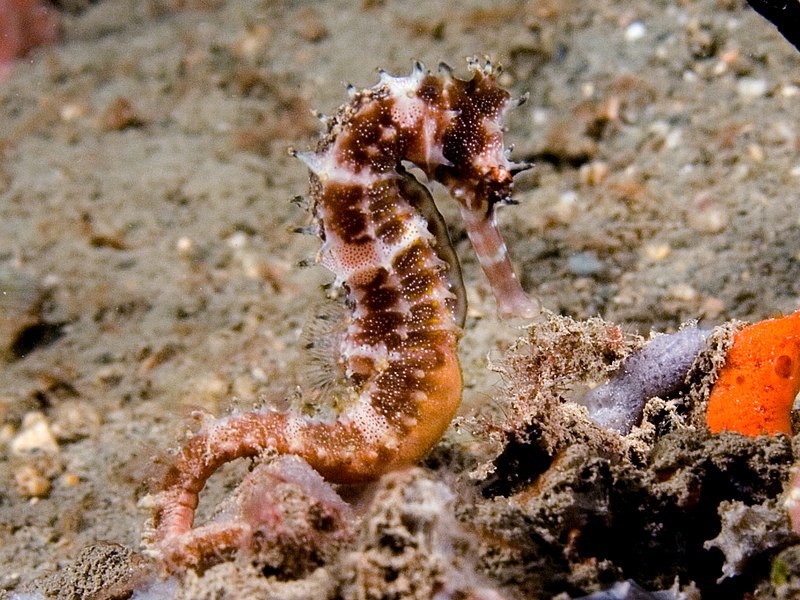
Thorny seahorse (Hippocampus histrix), Credit: Nick Hobgood (Nhobgood)
Seahorses and sea dragons have unique birth habits, in which the males become pregnant and give birth. The female partner deposits the eggs in the brood pouch of the male seahorse, where the eggs undergo changes and grow into young ones.
Mammals are known for giving birth to young ones that develop inside a womb (viviparous). However, the duck-billed platypus, although a mammal, lays eggs (oviparous). This is seemingly odd for mammals; however, there are five other species that do the same, and are classed as monotreme.
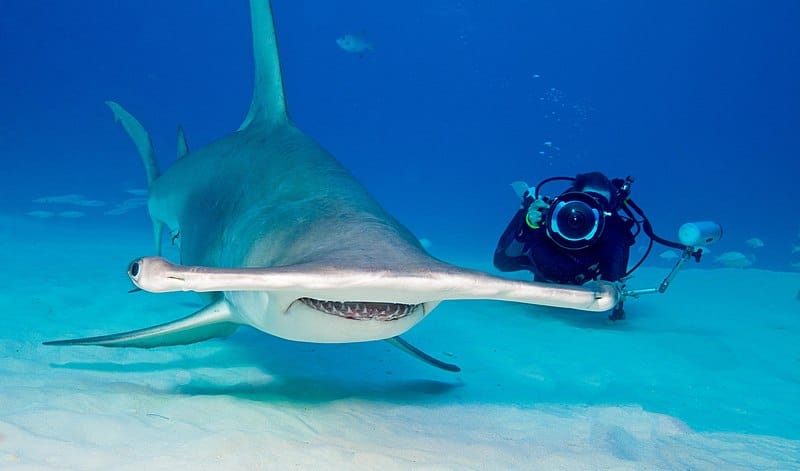
In 1999, a hammerhead shark in a Nebraska zoo gave birth. However, to everyone’s surprise, there was only one hammerhead shark in the aquarium. This process is known as parthenogenesis, when the mother gives birth without mating.
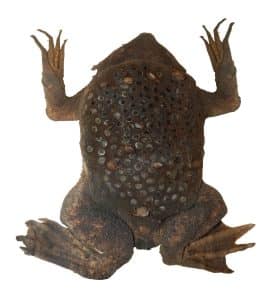
Surinam toad incubating its young ones
Surinam toad incubating its young ones, Credit:Dein Freund der Baum
The Surinam toad has weird incubation techniques. The female lays eggs, which the male places on the female’s back. The female toad grows a skin over these eggs and incubates them until hatching. After hatching, the young ones wriggle out of their mother’s back.
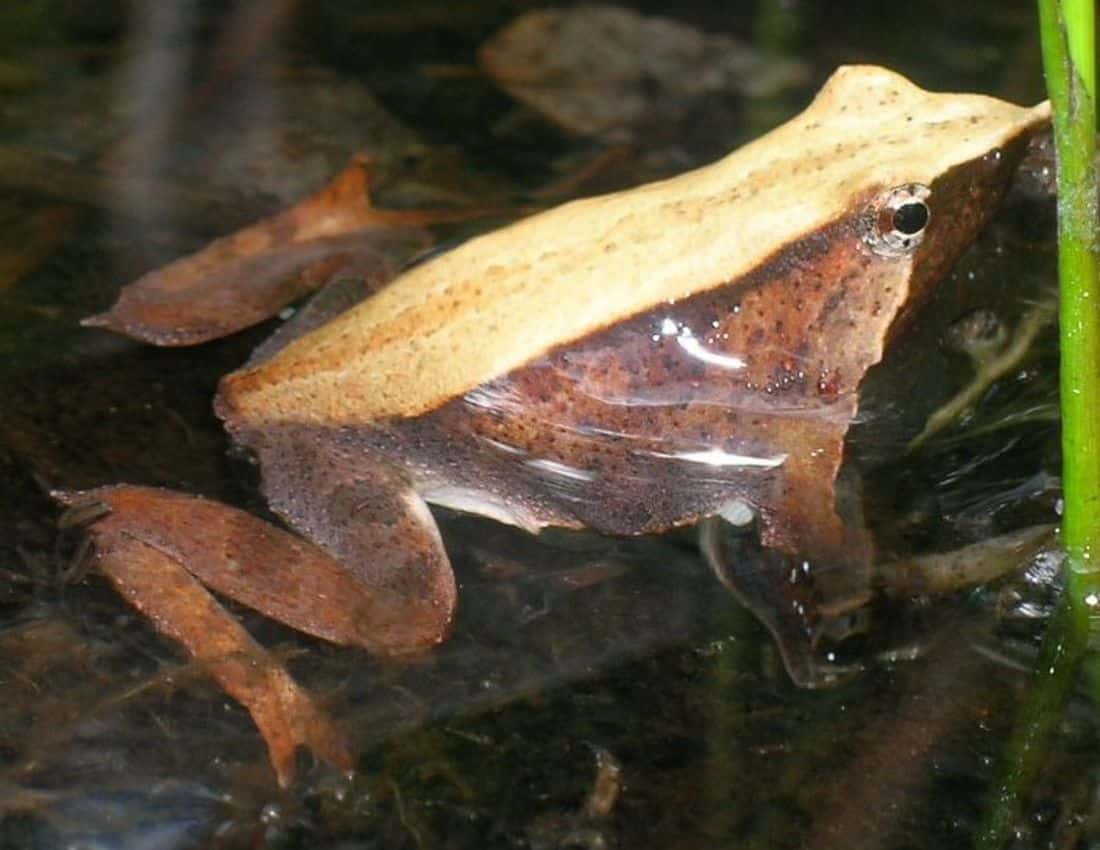
Darwin's frog (Rhinoderma darwinii)
Darwin's frog (Rhinoderma darwinii), Credit: flickr.com/Mono Andes
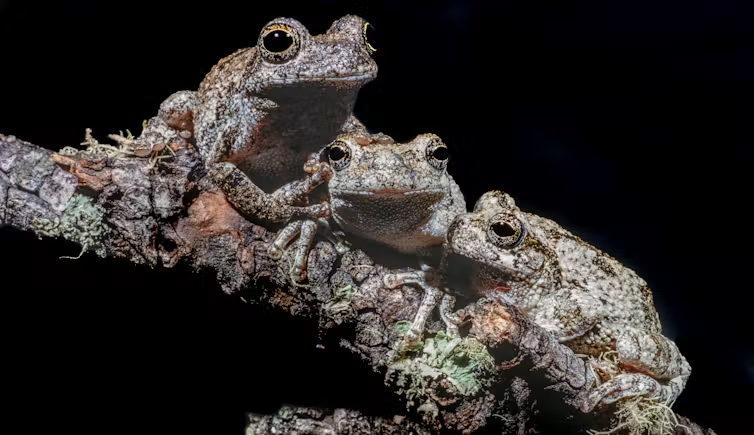
Darwin’s frogs are one of nature’s best dads. Discovered by Charles Darwin in Chile, these frogs incubate the tadpoles in their vocal sacs, where they grow safely until they turn into frogs and are ready to face the world outside.