Unveiling The Mysteries Of Mucin: A Guardian Of Our Health

Table of Contents

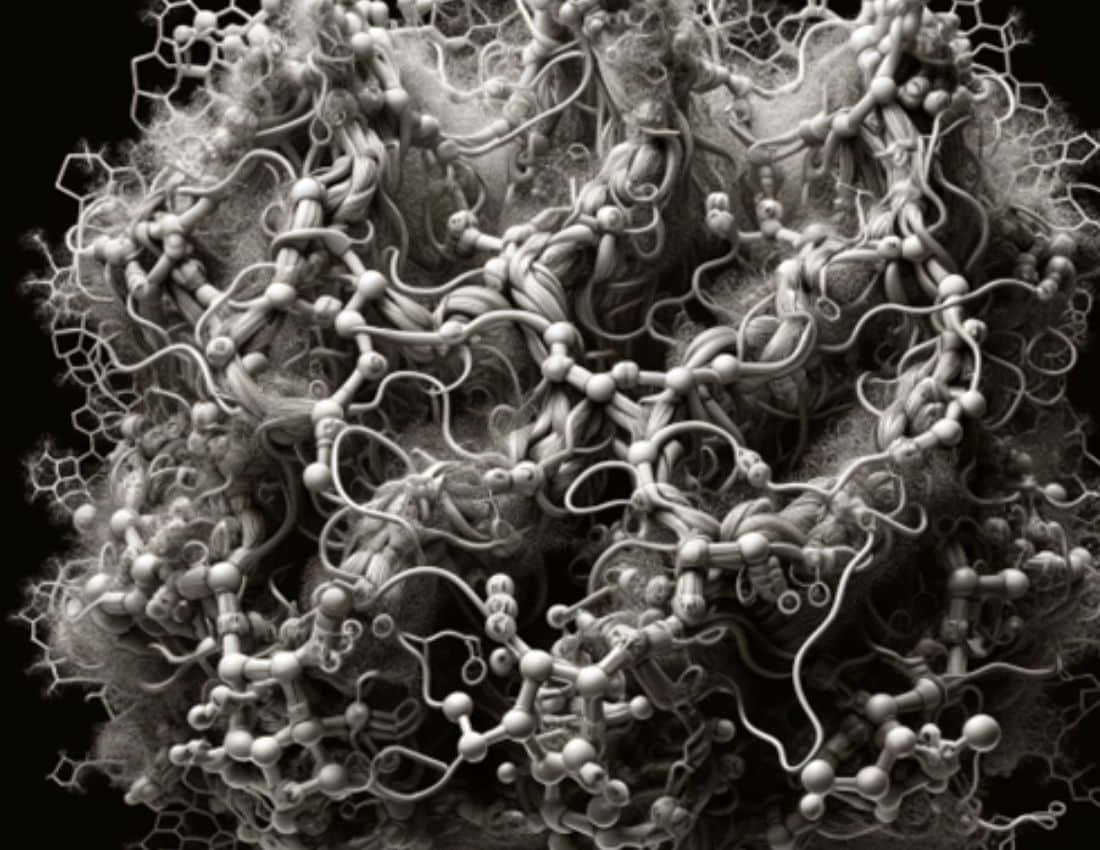
Mucin , a marvel of nature, is the unsung hero of our bodies. This glycoprotein is more than just a substance; it is a crucial guardian, playing a vital role in maintaining the health of our mucous membranes . Imagine mucin as the body’s natural armor, providing essential lubrication and protection to various tissues, including the respiratory , digestive, and reproductive tracts.


Yet, the story of mucin takes a dramatic turn, as abnormalities in its production or structure can usher in a host of diseases and conditions, such as cystic fibrosis and certain types of cancer. This introduction to mucin will reveal its importance, duality, and the pivotal role it plays in both health and disease.

Muc-1 in Cancer vs Normal Cells
Muc-1 in cancer vs normal cells, Credit; Wikimedia/Wenqing Chen, Zhu Zhang, Shiqing Zhang, Peili Zhu, Joshua Ka-Shun Ko, Ken Kin-Lam Yung

Understanding mucin: Definition, composition, and functions

Venture into the world of mucus, a slimy material that’s far more fascinating than it seems. At its heart are mucins, intricate molecules composed of inorganic salts and water, creating a substance essential for our well-being. The composition of mucus is a testament to nature’s ingenuity, with mucins playing starring roles. These roles range from acting as a protective shield for epithelial surfaces to facilitating vital biological processes. Understanding the functions of mucus, particularly mucins, is like unlocking a secret code to our body’s defense mechanisms.

The critical role of mucin in maintaining health

Mucin is like a vigilant protector of our bodies, especially within the gastrointestinal and respiratory tracts. These mucus-secreting cells are akin to silent sentinels, ensuring the integrity and health of these crucial systems. In the gastrointestinal tract , mucin safeguards our digestive processes. In the respiratory tract, it serves as a protective barrier, shielding us from harmful invaders. The significance of mucin in these roles cannot be overstated, as it plays a pivotal part in our overall health and well-being.

Mucin in the Gastrointestinal Tract
Mucin (glycoproteins) In GI Tract, Credit: Wikimedia/A1silva

Mucin: a double-edged sword in disease

The story of mucin takes a complex turn when we consider its role in disease. Alterations in mucin expression and glycosylation, a molecular modification, have been linked to cancer development, progression, and metastasis. In some cases, these changes in mucin can fuel tumor growth and invasion, while in others, they may actually hinder cancer progression. This dual nature of mucin in cancer underscores the importance of understanding its complex role, a quest that is vital for the development of targeted therapies and improving patient outcomes.

Diagnostic and therapeutic implications: Exploiting the potential of mucins

● Mucins offer exciting possibilities in the fields of diagnosis and therapy. Serum diagnostic assays for mucin levels are like high-tech tools in the fight against adenocarcinomas, aiding in early detection and treatment.


● The advent of monoclonal antibody-based therapies targeting mucins heralds a new era in personalized medicine, offering hope in the battle against various cancers.

Mucin's role in health and disease - A continuing saga

The journey through the world of mucin reveals a story of protection, complexity, and potential. Understanding mucin’s role in health and disease is not just a scientific endeavor; it’s a path to developing targeted therapies for mucin-related disorders.

Glossary

Mucin: A large, gel-like protein produced by mucous membranes, playing a crucial role in protecting and lubricating various organs.


Mucous Membranes: Thin layers of tissue lining various parts of the body, such as the nose, mouth, lungs, and digestive tract.


Respiratory System: The body system involved in breathing, including the lungs and airways.


Gastrointestinal Tract: The pathway starting from the mouth and extending through the stomach and intestines, involved in digestion.


Cystic Fibrosis: A genetic disorder affecting the lungs and digestive system, characterized by thick, sticky mucus.

Role of Mucins in Health and Disease:

Corfield, A. P. (2015). Mucins: A Biologically Relevant Glycan Barrier in Mucosal Protection. Biochimica et Biophysica Acta (BBA) – General Subjects, 1850(1), 236-252.


Mucin in Gastrointestinal and Respiratory Tracts:

McGuckin, M. A., Linden, S. K., Sutton, P., & Florin, T. H. (2011). Mucin Dynamics and Enteric Pathogens. Nature Reviews Microbiology, 9(4), 265-278.


Mucin and Cancer Development:

Hollingsworth, M. A., & Swanson, B. J. (2004). Mucins in Cancer: Protection and Control of the Cell Surface. Nature Reviews Cancer, 4(1), 45-60.

Contributors

Copyright @smorescience. All rights reserved. Do not copy, cite, publish, or distribute this content without permission.


Join 20,000+ parents and educators
To get the FREE science newsletter in your inbox!