Microbes are the tiny microscopic organisms that exist all around us. They are called microbes, because most are only visible through a microscope although some can be seen by the naked eye. Their fascinating world includes many different types of microbes with viruses , bacteria , fungi , and parasites as the main categories of microbes . Although some microbes have a bad reputation, including SARS-CoV-2, the virus that started the COVID-19 pandemic, not all microbes are harmful to us. Some microbes are essential to us and to our planet. Lets take a look at the different types of microbes, their characteristics and their importance to better appreciate this large unseen world of tiny living creatures.
Table of Contents
Download Types of Microbes Poster
What are the main types of microbes?
There are lots of different types of microbes. But they all have one thing in common. They cannot be seen with the naked eye, because they are extremely small. In other words, you need a microscope to see them. There are four main kinds of microbes.
Created with Biorender.com
Viruses
To start, viruses are an important microbe that we are very familiar with today. We learn about new types of coronavirus and other viruses like influenza all the time. These viruses have caused serious sickness across the world. There are a few main features of a virus. Viruses have genetic material like DNA or RNA and that genetic material is protected by protein. The protein is like armor for the DNA or RNA. Viruses also need a host to survive. This is because they do not have all the materials they need to replicate on their own. Apart from a host cell, a virus is not actually a living organism.
Virus Diagram
Bacteria
Bacteria, on the other hand, can be independent. They come with their own equipment, and they are unicellular organisms. This means that they have similar functions to single cells in your body. However, unlike cells in your body, bacteria do not have a nucleus that protects their DNA. Instead, their DNA floats throughout the cell. Even though bacteria can survive independently, they use host cells for nutrients and reproduction.
Bacteria Diagram
Fungi
Fungi are even more complicated than bacteria. They are also more like our own human cells because they have a nucleus. Fungi tend to work in groups, so they can be multicellular , but they can also be unicellular. Similarly to bacteria, fungi are independent and do not need a host to survive. However, they can still infect a host like other microbes.
Fungi Diagram
Parasites
Finally, you may have heard of parasites. These are microbes that feed off of a host and cause damage to that host. Like fungi, parasites can be unicellular or multicellular.
Parasite Diagram
How are microbes harmful?
Many microbes can cause disease. These are called pathogens . Disease-causing viruses include coronavirus, influenza, poliovirus, and many more. Different viruses can infect different types of cells in your body and lead to unique sicknesses. Viruses can cause trouble for your lungs, your stomach, and even your brain if they are allowed to replicate.
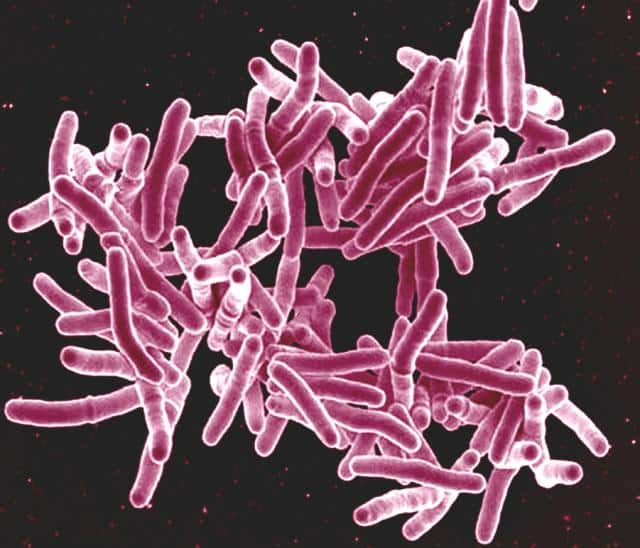
You may have also heard of some bacterial infections. For example, strep throat is caused by bacteria. When patients have strep throat, their doctors might give them an antibiotic. Antibiotics are special medications used to treat bacterial infections, but not other infections like viral infections. This is because antibiotics target the unique features of bacteria that viruses do not have.
"Mycobacterium tuberculosis Bacteria, the Cause of TB" by NIAID is licensed under CC BY 2.0
Before we had antibiotics, bacteria were a much bigger threat. For example, you may have learned about the Bubonic plague in history class, caused by bacteria. This terrible plague affected millions of people. Like viruses, bacteria can cause many different kinds of sickness from ear infections to breathing problems.
Next, there are not many fungi that are dangerous to humans. Fungal infections mostly affect people with weaker immune systems . One fungus that can affect humans is Aspergillus, which can cause stuffy nose, coughing, and breathing issues
"Aspergillus sp - Conidiophore" by gjshepherd_br is licensed under CC BY-NC-SA 2.0
Finally, most parasites are harmful to their hosts. They can cause damage in the body, leading to illness. Some are microscopic, but some are larger. An example of a microscopic parasite is giardia. One commonly known larger parasite that affects both humans and animals is tapeworms.
So when you hear about microbes in the news, it is no surprise that they’re mostly harmful ones. But what about all the microbes that don’t hurt us? What about the microbes that help us?
How are microbes beneficial?
Some microbes are actually helpful to our bodies and are not pathogens. Microbes live in all different areas of the body, including the mouth, skin, and stomach. As soon as a baby is born, it is covered by many microbes that can be completely harmless or even helpful. Every human has a unique collection of microbes that forms because of unique experiences.
What are some helpful jobs that microbes do for us? They can help us to break down food and get nutrients. Also, some harmless microbes can teach our immune systems what unfamiliar microbes look like in case more dangerous ones come along. One more way that these microbes can help us is by taking up space. If more harmless microbes cover our bodies, then there is less space for dangerous microbes to invade.
So while some microbes can cause trouble for us, most of them are harmless and even helpful to our bodies. We are not the only ones with collections of microbes, either! Animals, plants, soil, water, and even the atmosphere are all full of their own unique microbes.
Virus, bacteria, and fungi: Whats the difference ?
Comparison Table
Read this article to learn more about the differences between viruses and bacteria
Fun facts about microbes
Want to learn about some cool microbes? Here are three that have special jobs throughout the world.
1. Yeast is a kind of fungus found in nature. But do you know what else yeast is found in? Food! If you bake bread or pastries, you might use yeast to fluff up your baked goods. That’s because this fungus likes to chew up the sugar in your baked goods and release carbon dioxide, which makes the bread rise.
2. Did you know there are viruses in the ocean? They have very important jobs. Some viruses can kill dangerous plants in the water that cause disease for animals.
3. Bacteria are everywhere. There are even some that can survive extreme temperatures like the hot springs in Yellowstone National Park! These bacteria help our environment by releasing oxygen
"Yellowstone hot spring" by Ian E. Abbott is licensed under CC BY-NC-SA 2.0
Glossary
Microbe – a tiny organism
Virus – a microbe that needs a host to survive
Bacteria – a single cell microbe that can survive on its own, but uses hosts for nutrients and reproduction
Fungus – a microbe with multiple cells that can survive on its own
Parasite – a unicellular or multicellular species that uses and damages a host. They can be microscopic or larger.
Genetic material – DNA or RNA – a set of instructions for an organism
Unicellular – an organism that is only made of one cell
Multicellular – an organism that has lots of cells that work together
Nucleus – a pocket of a cell that protects genetic material like DNA
Pathogen – disease-causing microbe
Antibiotic – a special type of medication that treats bacterial infections
Immune System – the system that protects your body from disease
Tess Taggart Bub has a bachelor’s degree in biochemistry and a minor in data science from Houghton College. During her undergraduate studies, she conducted research in the areas of climate science, ecology, and muscle biology. She is currently a PhD candidate at the University of Tennessee Health Science Center studying host cellular response to viral infection. She is a strong believer that science can change the world, especially when it’s shared. In her free time, she loves communicating science, playing guitar and piano, and running. Writing for smore gives Tess the opportunity to help inspire a new generation of women in STEM.