Table of Contents
The vagus nerve is a vital nerve that acts like a superhighway, carrying messages between the brain and many internal organs. Improving its function can have a profound impact on your overall health. In this article, we will discuss what the vagus nerve does and some lifestyle habits that could support its function
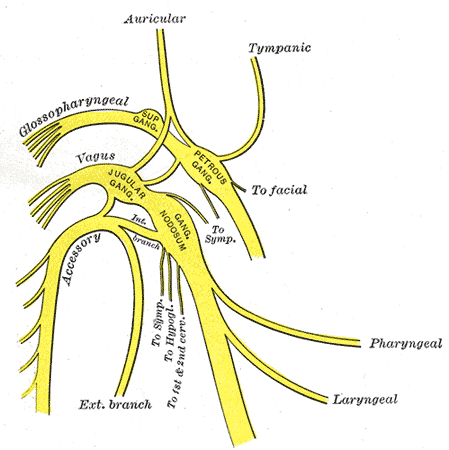
The vagus nerve is a key component of the parasympathetic nervous system , often called the “rest and digest” system. It extends from the brainstem to the abdomen, influencing various bodily functions such as heart rate, digestion, and immune response. Its role is crucial in maintaining homeostasis – the body’s balance. Understanding how it works is the first step towards improving its function.
Why should we care about the vagus nerve? Research has shown that a well-functioning vagus nerve is linked to better physical and mental health. For instance, a strong vagal tone can reduce stress, anxiety, and inflammation. Conversely, a dysfunctional vagus nerve is associated with various health issues, including heart problems and digestive disorders.

Signs of a weak vagus nerve
Recognizing the signs of a weak vagus nerve can help you take timely action. Symptoms may include chronic fatigue, digestive issues, mood swings, and heart irregularities. If you’re experiencing these symptoms, it might indicate that your vagus nerve needs some attention.
Natural ways to improve vagus nerve function
So, how can we enhance the function of the vagus nerve? Luckily, there are several natural and accessible ways to do this:
Deep Breathing Exercises: Slow, deep breathing can stimulate the vagus nerve, promoting relaxation and reducing stress.
Cold Exposure: Brief exposure to cold, such as cold showers, can activate the vagus nerve.
Singing and Humming: These activities can stimulate the vagus nerve, improving heart rate variability .
Diet plays a crucial role in the health of the vagus nerve. Foods rich in probiotics , such as yogurt and fermented foods, can enhance gut health and, in turn, support vagal function. Additionally, omega-3 fatty acids found in fish like salmon can positively affect vagal tone.
Regular exercise is beneficial for the vagus nerve. Activities like yoga and tai chi, which focus on breathing and mindfulness, can be particularly effective. These exercises not only improve physical fitness but also enhance vagal tone by promoting relaxation.
Stress Management: Stress is a major factor affecting vagus nerve function. Techniques like meditation, mindfulness, and biofeedback can help manage stress and improve vagal tone. These practices encourage a state of relaxation, allowing the vagus nerve to function more effectively.
Sometimes, medical interventions may be necessary to improve vagus nerve function. This includes vagus nerve stimulation (VNS), a treatment used for conditions like epilepsy and depression. It’s important to consult healthcare professionals for personalized advice.
Improving vagus nerve function can lead to numerous health benefits. By incorporating lifestyle changes, dietary adjustments, and stress management techniques, we can enhance our vagal tone and, in turn, our overall well-being.
Glossary
Vagus Nerve: A cranial nerve extending from the brainstem to the abdomen, playing a crucial role in the autonomic nervous system.
Parasympathetic Nervous System: Part of the autonomic nervous system responsible for the body’s rest and digest response.
Homeostasis: The body’s ability to maintain a stable internal environment despite external changes.
Vagal Tone: A measure of the activity of the vagus nerve, indicating the body’s ability to relax and recover from stress.
Heart Rate Variability: The variation in time between each heartbeat, an indicator of the body’s stress response.
Omega-3 Fatty Acids: Essential fats found in foods like fish, beneficial for heart and brain health.
Probiotics: Beneficial bacteria found in certain foods and supplements, promoting gut health.
References
Breit, S., Kupferberg, A., Rogler, G., & Hasler, G. (2018). Vagus Nerve as Modulator of the Brain–Gut Axis in Psychiatric and Inflammatory Disorders. Frontiers in Psychiatry, 9, 44.
Bonaz B, Sinniger V, Pellissier S. Vagal tone: effects on sensitivity, motility, and inflammation. Neurogastroenterol Motil. 2016 Apr;28(4):455-62. doi: 10.1111/nmo.12817. PMID: 27010234.
Contributors
Copyright @smorescience. All rights reserved. Do not copy, cite, publish, or distribute this content without permission.
SUBSCRIBE TO OUR NEWSLETTER
.......... ..........Subscribe to our mailing list to get updates to your email inbox.
Monthly Newsletter