Simple rolled up piles of leaves have so much flavor in them. It feels like we haven’t extracted all of it. As the kettle whistles and you pour hot water over a tea bag , you see the water’s color change. And so, you may wonder. Can I get more flavor out from the tea bag by squeezing the tea bag? More importantly, is it safe to do so?
What are tea bags made of?
A tea bag is a small, porous package filled with tea leaves or tea dust. When hot water is poured over it, the water infiltrates the bag, coming into contact with the tea and taking on its flavor. This process is known as steeping . Interestingly, the convenience of tea bags is a relatively new phenomenon. They were invented just over a century ago, significantly simplifying the tea- brewing process for people worldwide.
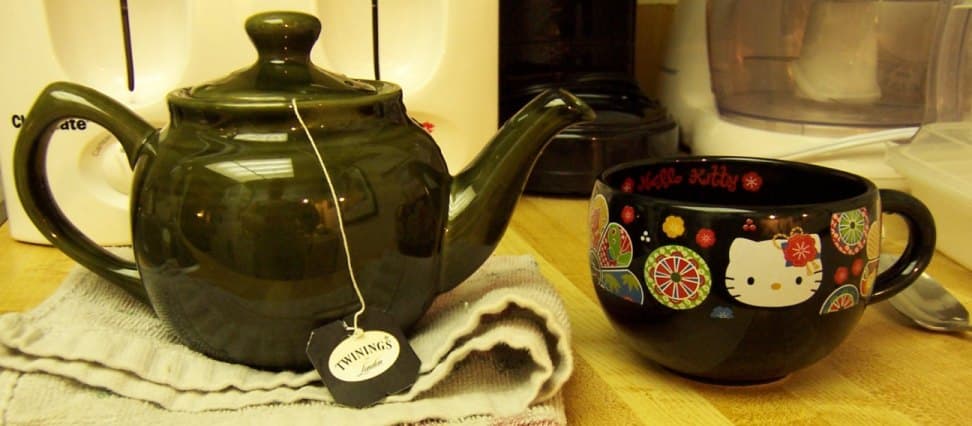
An image of tea brewing in a teapot, Credit: Wikimedia/ Miss Maisy
Should you squeeze your tea bag?
While the act of steeping a tea bag is straightforward, what to do with the bag after steeping is where opinions differ. Some people firmly believe that giving the tea bag a good squeeze will ensure every drop of flavor is extracted into the cup. What the teaphiles (when you add the prefix -phile, to any term, it means that someone loves it). Meanwhile, others insist that squeezing a tea bag is a faux pas in the tea-drinking world, equivalent to adding ketchup to a fine steak. So, what is a curious tea drinker to do? Is it beneficial or detrimental to give that tea bag a squeeze?
The logic behind squeezing the tea bag is simple: by pressing out the excess water, you are also squeezing out additional flavor. However, here’s the caveat. When you squeeze a tea bag, you’re not just expressing additional flavor. You’re also releasing tannins , naturally occurring compounds in tea that contribute to its astringency , or the dry, puckery sensation you feel in your mouth after a sip. These tannins can make your tea taste more bitter than you may like.
On the flip side, not squeezing the tea bag can lead to a milder, smoother cup of tea. You might be leaving a bit of flavor behind, but you’re also keeping the tannin content in check. Therefore, the flavor of your tea doesn’t only depend on the type of tea leaves but also on how you handle your tea bag.
Many tea bags come with a drawstring too, that can help in improving the ‘squeeze’, rendering all the tannin possible out into tea.
The next time you find yourself standing by your kettle, pondering whether or not to squeeze your tea bag, remember this discussion. Keep in mind that there’s no right or wrong answer, just your personal preference.
An image of various types of tea bags, Credit: Wikimedia/André Karwath aka
Glossary
Brewing: The process of making tea by steeping tea leaves or a tea bag in hot water.
Tea Bag: A small, porous packet filled with tea leaves or tea dust.
Steeping: The soaking in liquid (usually water) of a solid so as to extract flavors or to soften it.
Tannins: A type of biomolecule found in tea (as well as in coffee, some fruits, and even tree bark) that can affect the flavor, causing bitterness or astringency.
Astringency: The dry, puckery feeling in the mouth following consumption of certain foods or drinks, like tea or unripe fruits.