In classrooms across the globe, an intriguing blend of technology and health education is changing how young minds learn about wellness. It’s a story that doesn’t begin with a predictable nod to technological progression, but rather in the quietly buzzing corridors of schools where innovation meets intention, rapidly transforming health education into an engaging, data-driven journey.
Research indicates that the specific types of technology used in classrooms significantly affect learning outcomes; for instance, data projectors and internet-connected computers are associated with nearly a grade-level improvement in student performance on assessments like PISA, highlighting the potential for targeted technology use to meaningfully enhance educational outcomes.
At the heart of this evolution is a desire not merely to inform, but to immerse students in their own health management. Take, for instance, the digital platforms that enable personalized fitness programs – these aren’t your run-of-the-mill gym classes. Instead, students are using wearable devices that feed real-time data about their physical activity directly into a secure app; here, artificial intelligence is helping to tailor fitness challenges suited to the individual’s abilities and goals.
Enhancing Nutritional Awareness through Augmented Reality
Interactive health and nutrition workshops are another facet of this technological integration. Gone are the days of passive lectures on food pyramids and balanced diets; now, augmented reality (AR) brings nutritional science to life, allowing students to visualize the effects of different eating habits on the body. By scanning items in their school cafeteria, students can access a digital overlay showing nutritional information, helping them make more informed choices about their diets.
Supporting Mental Wellness with Digital Tools
Mental health, too, has found a strong ally in technology within educational settings. New federal data suggest slight improvements in youth mental health, with a decrease in the number of students reporting persistent sadness. Sadly, however, the overall trends over the past decade indicate increasing challenges like bullying and safety concerns that continue to negatively affect student well-being.
Schools are employing platforms that offer up mental wellness tools and resources, facilitating confidential surveys that track students’ emotional wellbeing – the results? They’re used to tailor classroom activities and discussions designed to bolster mental health, guided by the nuanced understanding that each student’s emotional needs are as unique as their academic ones.
Enhancing Safety with Innovative Technologies
As schools continue to leverage technology to improve health and safety, innovative solutions like vape detectors are becoming increasingly crucial. These devices, installed in areas such as bathrooms and locker rooms, can detect vapor from electronic cigarettes, alerting school authorities in real-time. This technology not only helps enforce school policies against vaping, but also plays a vital role in preventing the associated health risks. By integrating vape detectors in schools, educational facilities are further committing to maintaining a safe and healthy learning environment for all students.
Expanding Knowledge with Virtual Reality
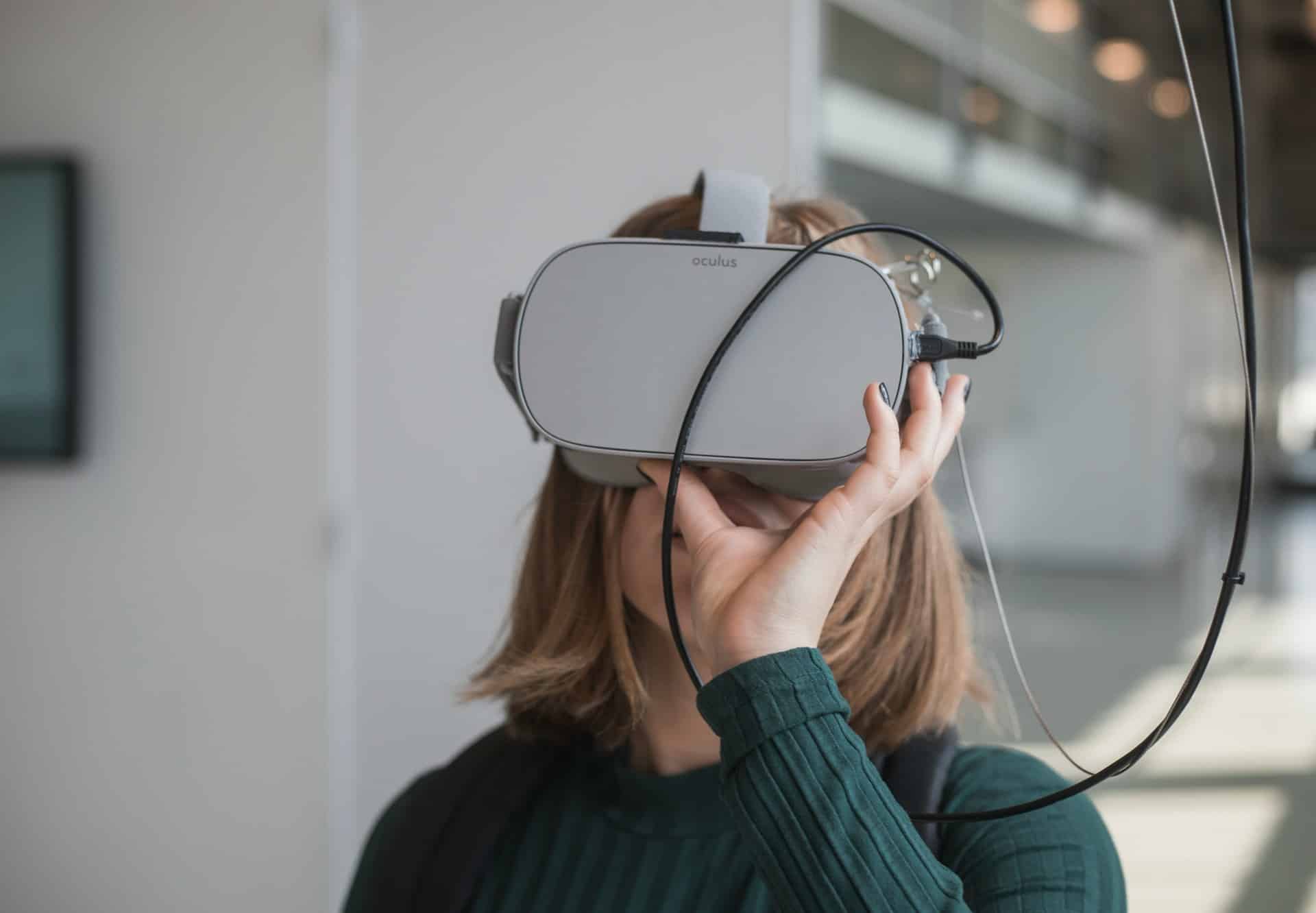
Moreover, technology enables a dynamic approach to health education that extends beyond the school walls. Virtual reality experiences expose students to a plethora of scenarios from the safety of their classroom; they can virtually tour a recycling plant to understand environmental health, or dive into a simulated bloodstream to see how viruses interact with immune cells. This method of teaching not only enriches the learning experience, but also cements complex concepts in young minds through vivid, memorable interactions.
Addressing Privacy in Tech-Based Health Education

In this digital age, the dialogue about health and technology in schools is punctuated with questions about privacy and data security. Educators and technologists collaborate to ensure that these systems protect student information, adhering strictly to privacy laws and ethical standards; the goal is clear – to harness the power of technology not just for its own sake, but to foster a healthier, more informed future generation.
Equitable Technology Access
Studies also reveal substantial disparities in technology access, affecting learning particularly in low-income schools. In such environments, technology is often used for repetitive learning tasks rather than for creating interactive, engaging educational experiences; in contrast, affluent schools are more likely to use technology to facilitate interactive learning and critical thinking, which can significantly boost engagement and academic achievement among students – particularly those at risk of dropping out.
Parental and Community Involvement: Empowering Health Education Through Technology
In the quest to create healthier school environments, the collaboration between technology, families, and communities plays a pivotal role. As schools harness innovative tools to boost health education, the engagement of parents and the broader community becomes essential, transforming passive observation into active participation.
Parental Engagement Tools
Today, numerous digital platforms empower parents to become active participants in their children’s health education. Apps and online portals provide real-time access to children’s health metrics, diet plans, and physical activity logs; for example, platforms like ParentPortal offer insights into students’ cafeteria choices, allowing parents to discuss nutritional decisions at home, reinforcing healthy eating habits learned at school. Furthermore, wearable technology used in physical education classes can sync with parent-accessible applications to monitor children’s fitness progress and activity levels. These tools do more than just inform; they engage parents in a continuous dialogue about health and wellness strategies tailored to their child’s needs.
Community Collaborations
On a broader scale, schools are increasingly partnering with local businesses and health organizations to enrich their health education programs through technology; hospitals and local health clinics now offer workshops and webinars using video conferencing tools, making expert health advice accessible to students and their families. Additionally, community sports clubs and wellness centers might provide interactive sessions via VR (Virtual Reality) and AR (Augmented Reality) that allow students to learn about anatomy, nutrition, and exercise in immersive environments. These partnerships not only enhance educational content, but also build a supportive network that reinforces the school’s health initiatives.
Enhanced Impact Through Shared Resources
Community involvement also extends to the sharing of resources, which can be particularly impactful in under-resourced schools; for example, community-funded grants can help schools acquire advanced health monitoring technologies or develop apps specifically designed for their student populations. By pooling resources, communities can help equip schools with the tools necessary to implement comprehensive, tech-driven health education programs that might otherwise be unaffordable.
This collective approach not only democratizes health education through accessible technology, but also fosters a community ethos in which health and education are seen as shared responsibilities. Engaged parents and an involved community are fundamental to the success of these initiatives, ensuring that the benefits of technology reach every student – and that the lessons learned in school extend into homes and community spaces, promoting a healthier next generation.
An Empowering Bridge to Lifelong Wellness
As schools continue to navigate the intersection of health education and technology, the promise is that of a curriculum that not only informs, but also transforms students into knowledgeable custodians of their own health. This isn’t just education; it’s an empowering bridge to lifelong wellness, built with the robust tools of our times.
Copyright @smorescience. All rights reserved. Do not copy, cite, publish, or distribute this content without permission.
SUBSCRIBE TO OUR NEWSLETTER
.......... ..........Subscribe to our mailing list to get updates to your email inbox.
Monthly Newsletter