Corpus callosum: The unsung hero of brain connectivity
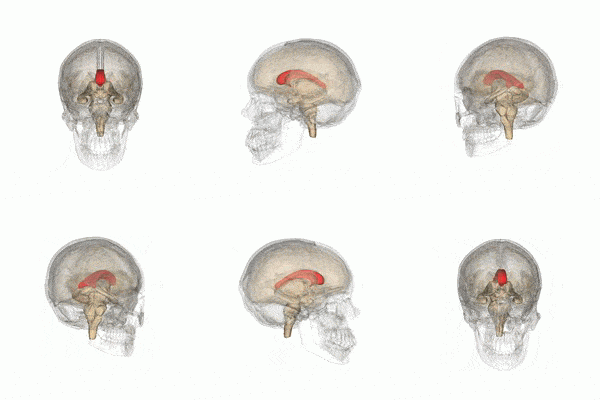
Have you ever wondered how the left and right hemispheres of your brain communicate? This communication is not exactly a chat over coffee, but it is fascinating. Enter the corpus callosum – a bundle of nerve fibers playing a crucial role in bridging these two halves. Imagine it as a superhighway, facilitating the traffic of information between the two hemispheres of the brain to work in harmony.
Unveiling the mysteries of the corpus callosum
The corpus callosum isn’t just a simple connector; it’s a bundle of complexity and efficiency. Made of more than 200 million nerve fibers, it’s the largest white matter structure in the brain. It works as the brain’s internal communication network, ensuring messages are passed quickly and accurately from one hemisphere of the brain to the other.
The role in cognitive functions
This cerebral bridge does more than just relay messages; it’s integral to various cognitive functions. For instance, it is involved in problem-solving and creative thinking. When you’re trying to crack a tricky math problem or develop a brilliant idea, your corpus callosum is hard at work, ensuring both hemispheres contribute in the tasking.
Corpus callosum and learning:
Are you learning new skills? Thank your corpus callosum. Studies suggest that this structure is vital in learning processes, especially those involving coordination and motor skills. Whether you’re learning to play the piano or ride a bike, the corpus callosum helps coordinate the sensory and motor information necessary for these activities.
The link to language and communication
The corpus callosum also plays a pivotal role in language and communication. It helps us understand and produce language content by coordinating the language centers in both hemispheres. Ever found yourself lost for words? Your corpus callosum might have been taking a brief pause!
Health and the corpus callosum
The health of the corpus callosum is vital. Conditions like Multiple Sclerosis (MS) can affect it, leading to cognitive and physical impairments. Additionally, research has shown differences in the corpus callosum’s structure lead to autism and schizophrenia.
Corpus callosum in childhood development
During childhood, the corpus callosum undergoes significant developmental changes, which correlate with the development of cognitive and motor skills. As children grow, the fibers in the corpus callosum become more efficient, enhancing their ability to process complex information and perform coordinated tasks.
The fascinating case of split-brain patients
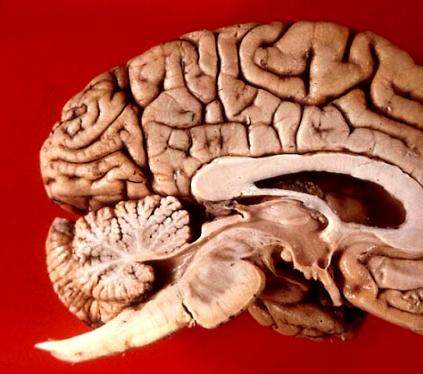
Studies of individuals with severed corpus callosum (a procedure once used to treat severe epilepsy) provide insights into its function. These ‘split-brain’ patients often display fascinating behaviors, demonstrating how each brain hemisphere operates independently when not communicating with each other.
Future research and potential
There’s still much to uncover about the corpus callosum. Current research studies are exploring its role in aging, mental health, and neurological diseases. Understanding this structure could open doors to novel treatments and interventions for various conditions.
Conclusion
The corpus callosum, though often overlooked, is a testament to the brain’s complexity and efficiency. It’s a bridge that connects hemispheres and plays a pivotal role in our daily activities. From aiding in cognitive processes to being a key player in neurological health, the corpus callosum is truly a marvel of our neurophysiology.
This exploration into the corpus callosum highlights its importance in our brain’s functioning and health. Future research will undoubtedly continue to unveil its mysteries, providing deeper insights into this fascinating aspect of human biology. Stay curious, and remember, every thought and action involves this incredible part of your brain!
Contributors