Understanding Recycled Concrete: What It Is and How It's Made
Concrete, concrete everywhere, not a pillar to recycle? That’s one way to look around the neighborhood, and find houses, roads, pillars, and every other thing made of concrete. What happens when the concrete structures are lost? Can concrete be recycled?
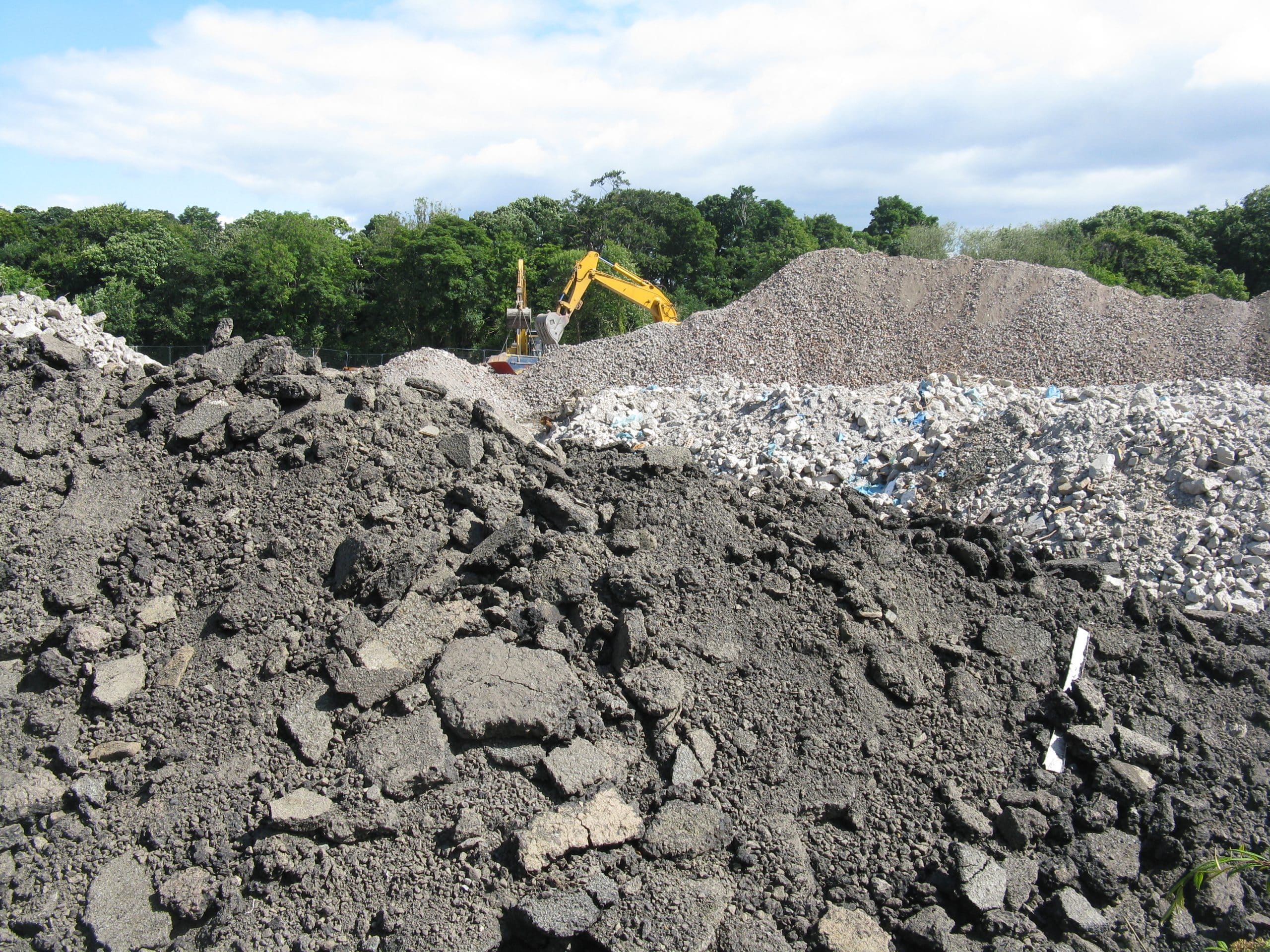
Recycled concrete is simply old concrete that has been crushed into smaller pieces, ready for a new purpose.
Every piece of recycled concrete has a story. It could have been part of a school, a bridge, or even a skate park! That’s the exciting part of recycling—it gives materials a second chance at life.
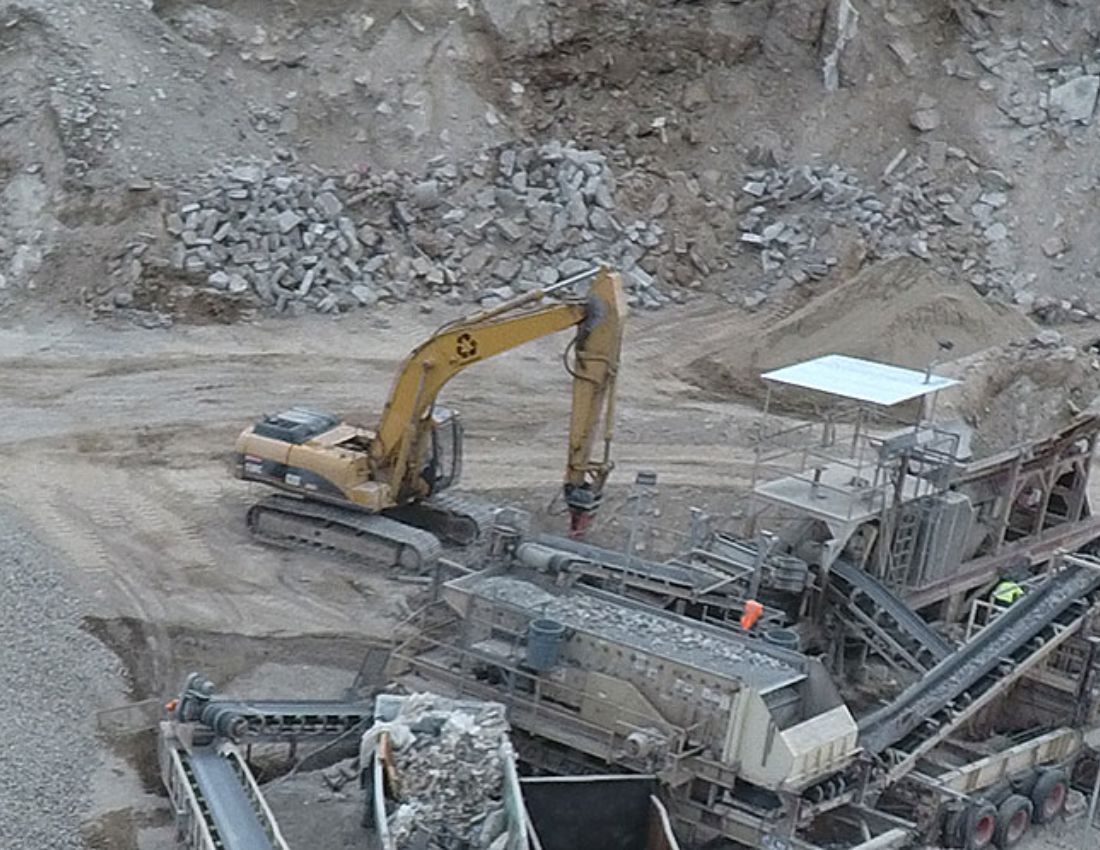
Making recycled concrete is a straightforward process. First, old buildings, bridges, or roads are torn down, and the concrete from these structures is collected. Next, this concrete is crushed into smaller pieces. Think of it like a giant recycling machine chomping up the concrete and turning it into useful gravel!
The process of turning old concrete into recycled concrete transforms waste into something useful. Instead of ending up in landfills , the concrete gets a new purpose. Think of all the projects you made at school using waste products— “The best from the waste” is the universal motto.
Why Recycled Concrete Matters ?
Recycled concrete has two major pros in the world of building materials—helping the environment and saving money.
By recycling concrete, we can reduce the need for new materials, meaning fewer resources are taken from the Earth. It’s a bit like borrowing a book from the library instead of buying a new one—it’s better for our planet!
Recycled concrete is also pocket friendly. It’s cheaper than new concrete, making it a great choice for many projects. It’s like getting a quality used bike instead of a new one—it works just as well and saves you money!
The Uses of Recycled Concrete
You might be surprised at how versatile recycled concrete is. In building and construction, it’s often used in the base layer of roads or as a filler material. Imagine building a sandcastle—you need a good, solid base before you start adding the towers. That’s how recycled concrete works—it provides a solid foundation.
But it’s not just for building. Recycled concrete can also be used in landscaping and gardening. It can be a great choice for pathways or decorative features in a garden. So next time you’re walking on a path, it might just be recycled concrete under your feet!
Mobile Crusher. Credit: Wikimedia Commons/Alf van Beem
The Role of Recycled Concrete
Recycled concrete is becoming more popular, and it’s easy to see why. As more people become aware of the need to protect our planet, the demand for environmentally friendly materials is growing. That’s where recycled concrete shines. It’s part of a movement called “ green building ,” which focuses on creating structures in a way that’s kinder to our Earth.
But it’s not just about building greener buildings. Using recycled concrete encourages us to think about how we use resources and how we can make more sustainable choices. With a rising population and dwindling resources, we need to be smart about how we spend.
Resources don’t multiply, what we have is what we will have, what the future will have. To secure the future, the kids and teens and young adults should be aware of what changes recycling can bring about. For every tonne of concrete recycled, 6182 litres of water and 900 kg of carbon dioxide are saved.
Glossary
Recycled Concrete: Old concrete that has been crushed into smaller pieces to be reused for new purposes.
Sustainability: The concept of using resources in a way that they will continue to be available in the future.
Green Building: The practice of creating structures and using processes that are environmentally responsible and resource-efficient.
Landfill: A site for the disposal of waste materials by burial and the oldest form of waste treatment.