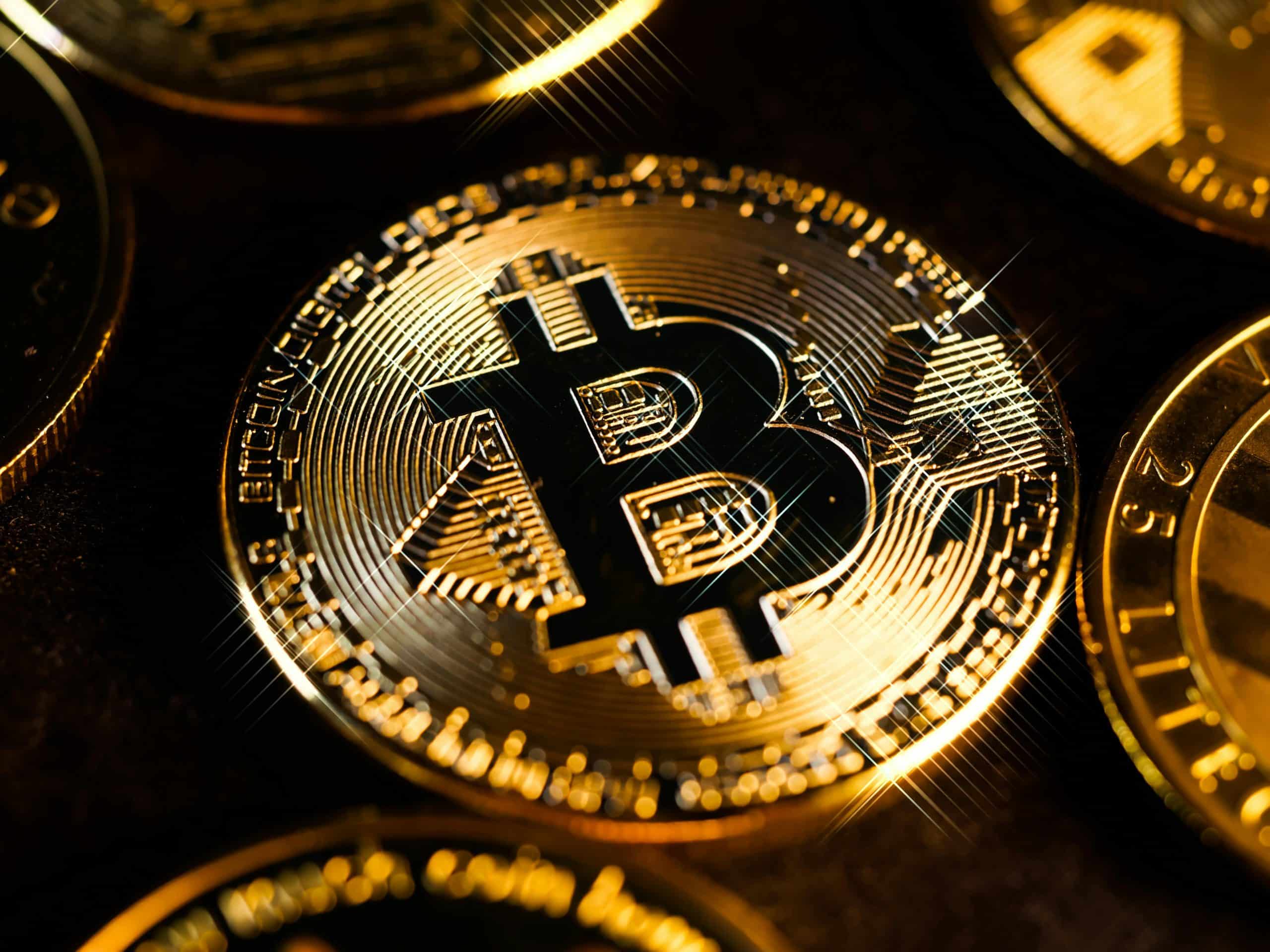
Bitcoin’s crazy ups and downs kind of reflect the tough and gradual process of real scientific breakthroughs. It’s interesting to see how Bitcoin’s wild ride corresponds to the slow, hard work that goes into making real progress in science. This article covers companies jumping in, medical breakthroughs, and why waiting pays off.
Bitcoin showing up in company bank accounts and research labs? It uncovers some pretty surprising links. Both areas necessitate thick skin when people doubt you. They combine extensive technical expertise with the willingness to take significant risks. Bitcoin operates in crazy market swings and rulemakers watching its every move. Scientists grind for years to turn lab ideas into things that help people. These areas seem totally different. But they agree on one thing: making something that lasts means pushing through the unknown. We’ll break down Bitcoin’s moves next to stories like how ibuprofen took sixteen years and Semler Scientific’s gutsy money play.
Bitcoin Proves Its Mettle Amid Economic Shifts
Even with all the global chaos and money worries, Bitcoin pulled off a solid +13% gain so far this year (H1 2025). That beat regular stocks. Major crypto broker Binance.com is now essential plumbing, letting the big money players get involved. How? Through spot ETFs, companies stockpiling coins (they hold 848.1K BTC now!), and new on-chain tricks like BTCFi. All this cements Bitcoin’s spot as a major global asset. It’s pulling in folks hunting for something better than cash that loses value.
Yi He, who co-founded Binance, puts it well: “Whether it’s the Industrial Revolution or the rise of the Internet, every wave of innovation starts with a speculative frenzy. But that doesn’t mean there aren’t valuable products created in the process.” That initial chaos? It’s often just a messy start. Look at the numbers now – companies aren’t just speculating. They’re parking serious money in Bitcoin, treating it like a core part of their savings. Semler Scientific grabbing another 210 Bitcoin last week, pushing their stash to 828 coins, shows this shift isn’t slowing down. That’s why they rank as the 14th biggest holder globally. Pretty remarkable for a medical device maker.
Semler Scientific Merges Medicine and Monetary Strategy
Semler Scientific went all in, making Bitcoin its main treasury holding recently. They use money from stocks, loans, and their own profits to keep adding Bitcoin, bit by bit. Meanwhile, they push ahead with medical tech. Their star product? QuantaFlo. Doctors use it right at your bedside to check blood flow, spotting peripheral arterial disease early. Millions deal with this. Execs like CEO Doug Murphy-Chutorian and Bitcoin Strategy Director Joe Burnett will dig into the Q2 2025 numbers on August 4th during a live video chat. Tackling health problems while testing Bitcoin’s potential? That shows a pretty practical take on what crypto could do.
Medical Breakthroughs Demand Relentless Patience
Take a look at the history of ibuprofen. Stewart Adams and his team started digging in 1953. They found it in 1961. Then came eight more years of tests and paperwork before doctors could finally prescribe it in 1969. That sixteen-year slog? It’s the rule, not the exception. Dr. Juliette Han, who handles money and operations at a biotech firm, gets why it takes so long: “Putting a chemical into a human body to have it do something is a huge, dangerous, and risky endeavor… We don’t take that lightly.” Popping an Advil or using insulin feels simple. We forget the army of people and years of sweat behind it. It wasn’t just one scientist having a bright idea.
Inflection Points Shape Scientific Destinies
Han’s own inspirational story twists in unexpected ways. “If you go back to any of my teachers before college and say I became a scientist, I’ll tell you they’ll be shocked,” she laughs. Arts, music, books, even playing violin – that was her scene. But then she volunteered weekends at a center helping people born with things like autism or Down syndrome. Seeing their struggles, especially with brain health, lit a spark. “We’re all humans and we’re born with certain abilities and we take them for granted,” she realized. That experience changed her view.
Creativity and Culture Fuel Progress
Han smashes the idea that science isn’t creative. “I thought there were two different things in the world to pursue. There was creative, and then there was science and technology and engineering and math,” she admits. Working in the field showed her how wrong that was. “Science is so unknown that you have to be creative to get somewhere.”
Coming from a Korean background also shaped her early approach. Respect for elders and hierarchy sometimes meant holding back. “You confine your existence in a room to a size that someone else has dictated for you,” she explains. She learned to push past that. “If anything, you’re selfish by holding that great idea back. Noise exists because you’re not sharing ideas that’s just as good, if not better often.”
Bitcoin and Science Share Innovation’s DNA
Bitcoin’s price jumps and science’s slow grind look like opposites. But dig deeper. Both reward those tough enough to handle the unknown, looking to a bigger future. Semler Scientific buying Bitcoin chunk by chunk isn’t gambling. It’s a careful choice, like the years spent proving a drug works.
Dr. Han juggling lab coats, budgets, and legal stuff? That mirrors crypto’s own messy mix of tech, money, and people puzzles. Building something real, whether it’s a digital gold or a life-saving treatment, means ditching the quick wins. It’s about sticking it out, step by step. One solved equation, one mined block at a time.
Copyright @smorescience. All rights reserved. Do not copy, cite, publish, or distribute this content without permission.
SUBSCRIBE TO OUR NEWSLETTER
.......... ..........Subscribe to our mailing list to get updates to your email inbox.
Monthly Newsletter