We’ve all heard the phrase, “Don’t judge a book by its cover.” Interestingly, this piece of wisdom can also apply to our teeth. There is a common perception that if teeth are white, they are in better health than those that appear yellow. However, is this fact true? Are yellow teeth indeed weaker, or could they be stronger? Time for a fact check, and definitely a reminder for you to keep your teeth healthy.
Effect of staining on teeth, which can illustrate the impact of diet and habits on tooth color. Credit: Wikimedia Commons/Challiyan
What Determines the Color of Your Teeth?
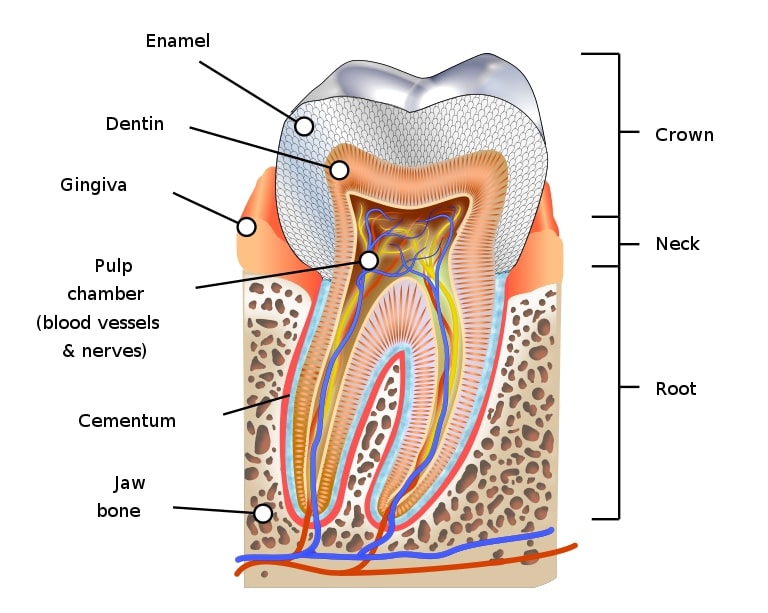
Just like snowflakes, no two teeth are exactly alike. Each tooth has its unique hue, which is largely determined by two layers – the enamel and the dentin . The enamel is the hard, protective outer layer that is generally white. Underneath the enamel is the dentin, a yellowish layer that provides the tooth with its main structure. The thickness and condition of your enamel play a significant role in determining your tooth’s color. When the enamel layer is thin or worn out, the yellow color of the dentin shows through, giving the teeth a yellowish appearance.
But the story of tooth color doesn’t end there. Dietary habits, lifestyle choices, and even certain medications can alter the natural color of your teeth. For instance, consumables like chocolate, cola, and coffee have strong colorants that can seep into the enamel over time, staining it. Habits such as smoking can cause teeth to yellow or even turn brown. Even certain types of antibiotics, when used extensively, can impact tooth color.
This diagram gives a detailed view of tooth anatomy, including the enamel and dentin layers, which are key components in our discussion. Credit: Wikimedia Commons/KDS4444
Tooth Strength: Understanding Hardness and Resistance
Tooth strength isn’t as simple as looking at the color. It primarily comes from the hardness of the tooth structure and its resistance to fracture. As we’ve already learned, the enamel, which is the whitest part of the tooth, is also the hardest. It protects the tooth from physical and chemical damage. However, being hard doesn’t necessarily mean it can’t break or chip. The ability of a tooth to resist damage depends on numerous factors including diet, oral hygiene, fluoride intake, and even genetic factors.
A diet high in sugar and acids can weaken the teeth, making them more prone to decay and damage. Similarly, poor oral hygiene can lead to plaque buildup, which can cause tooth decay and gum disease, thereby weakening the teeth. Conversely, fluoride, either from toothpaste, water, or dental treatments, can help strengthen the enamel, making teeth more resistant to decay. Finally, genetics can play a role in determining tooth strength. Some people are naturally more prone to dental problems due to inherited traits.
Are Yellow Teeth Actually Stronger than White Teeth?
Now, the million-dollar question: Are yellow teeth actually stronger than white teeth? The answer is not as straightforward as you might think. The color of your teeth doesn’t determine their strength. Some people have naturally yellowish teeth due to thicker dentin or thin enamel, but this doesn’t mean their teeth are weaker or stronger.
There have been some studies suggesting that teeth with a slightly yellow color—mostly because of thicker dentin—could be more resistant to wear and tear. This is because dentin is less brittle than enamel and can absorb more force from biting and chewing. However, this doesn’t mean that having yellow teeth makes them inherently stronger. Other factors, such as oral hygiene, diet, and genetics , play a much larger role in determining tooth strength.
Healthy Habits for Strong Teeth Regardless of Color
The takeaway from our fact check into tooth color and strength is clear: color of teeth is no indication. Whether your teeth are yellow, white, or somewhere in between, it’s important to maintain good oral hygiene habits to keep them strong. Regular brushing, flossing, limiting intake of sugary and acidic foods, and making routine visits to the dentist are vital for maintaining strong, healthy teeth.
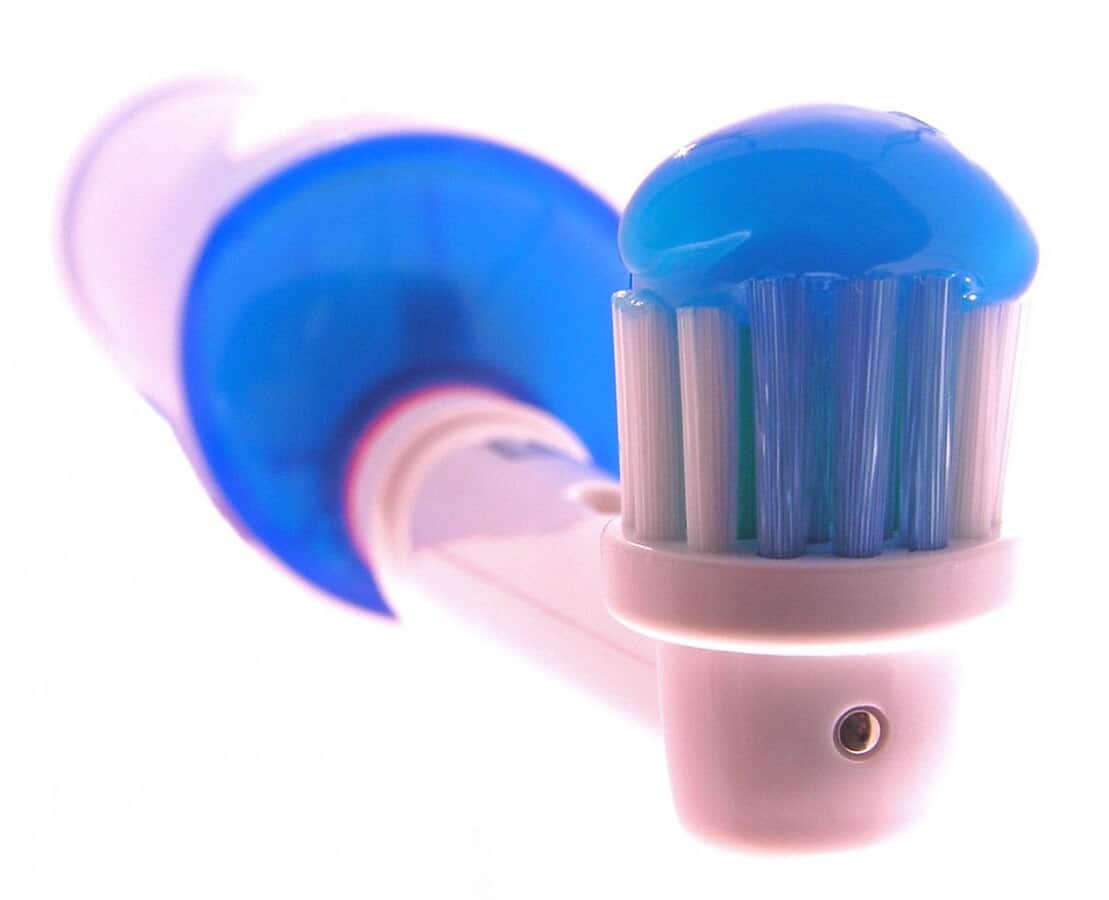
An image of a toothbrush with toothpaste can visually reinforce the importance of good oral hygiene habits in maintaining tooth strength. Credit: Wikimedia Commons/digicla
Glossary
Enamel: The hard, outer layer of a tooth that protects it from physical and chemical damage. It is typically white or off-white in color.
Dentin: The layer of tooth beneath the enamel that provides the tooth’s primary structure. It is typically yellow in color.
Plaque: A sticky film that accumulates on teeth and can lead to tooth decay and gum disease if not regularly removed.
Fluoride: A mineral that helps to strengthen tooth enamel and makes teeth more resistant to decay.
Genetics: The study of heredity and the variation of inherited characteristics.