Carbon Dioxide Balloon Race STEM Challenge
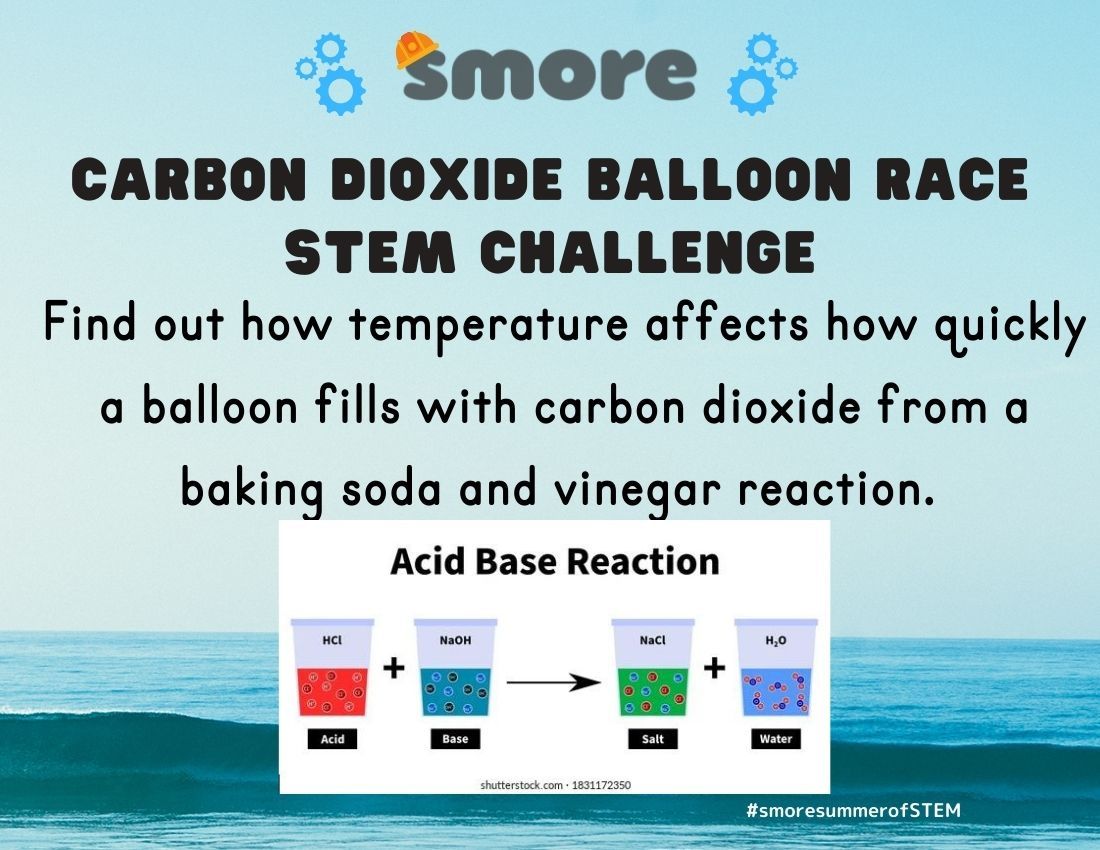
a simple diagram of an acid/base reaction creating salt and water

Have you ever mixed vinegar and baking soda (and maybe a little red food coloring) to create a homemade volcano?  It’s fun to see the reaction of these two common household chemicals.  But what is happening at the molecular level that makes these two substances react?  This reaction is known […]

Carbon Dioxide Balloon Race STEM Challenge Read More »

Have you ever mixed vinegar and baking soda (and maybe a little red food coloring) to create a homemade volcano?  It’s fun to see the reaction of these two common household chemicals.  But what is happening at the molecular level that makes these two substances react?  This reaction is known

Water Bending STEM Challenge

Water Bending

Water covers about 70% of our planet’s surface, and it makes up around 60% of our bodies.  It is such a common substance that people often think it is “plain” or “boring.”  But water actually has some interesting properties that make it a very unusual chemical!  One of water’s interesting

Water Bending STEM Challenge Read More »

Water covers about 70% of our planet’s surface, and it makes up around 60% of our bodies.  It is such a common substance that people often think it is “plain” or “boring.”  But water actually has some interesting properties that make it a very unusual chemical!  One of water’s interesting

Separating Inks STEM Challenge

arrangement of black markers and pens

If you were painting and ran out of black paint, what would you do?  You might try to mix many of the colors you have together to create a dark pigment to use.  Black ink is typically made out of several colors combined.  Not all black pigments are the same! 

Separating Inks STEM Challenge Read More »

If you were painting and ran out of black paint, what would you do?  You might try to mix many of the colors you have together to create a dark pigment to use.  Black ink is typically made out of several colors combined.  Not all black pigments are the same! 

Lights in the Sky: What Causes Auroras?

what causes auroras

Have you ever looked up towards the night sky and seen those bright, weird ribbons of color? If you live near the North or South Pole, you probably have! These Northern and Southern lights are called . and they are what a lot of people call one of the most

Lights in the Sky: What Causes Auroras? Read More »

Have you ever looked up towards the night sky and seen those bright, weird ribbons of color? If you live near the North or South Pole, you probably have! These Northern and Southern lights are called . and they are what a lot of people call one of the most

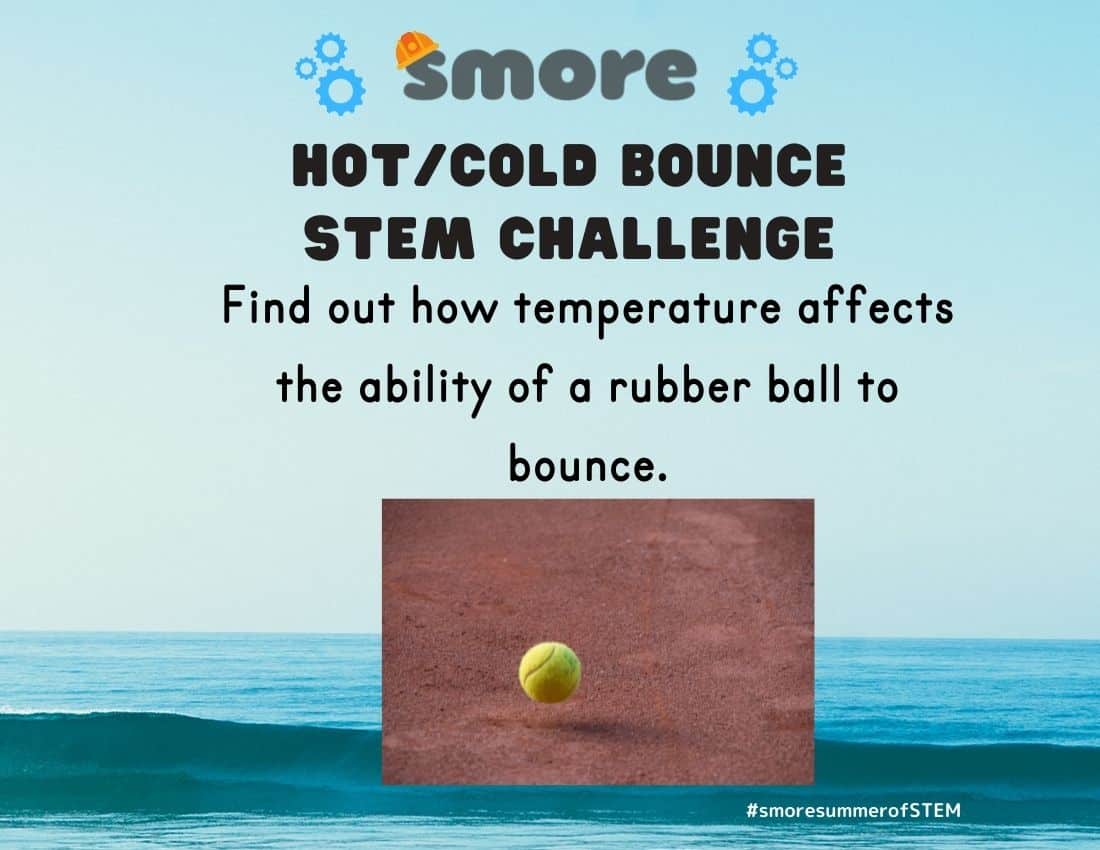
Hot Cold Ball Bounce STEM Challenge

hot cold ball bounce challenge

Bouncy balls are a lot of fun to play with. When you drop them, they come right back up. Put a little force into the drop, and they will bounce even higher, sometimes with unpredictable results! Why does this happen? It has to do with the properties of the material

Hot Cold Ball Bounce STEM Challenge Read More »

Bouncy balls are a lot of fun to play with. When you drop them, they come right back up. Put a little force into the drop, and they will bounce even higher, sometimes with unpredictable results! Why does this happen? It has to do with the properties of the material

Sink or Swim STEM Challenge

Sink or Swim STEM Challenge

Have you ever noticed how some objects float in water, while others sink? Boats float because of their shape, but once that shape is damaged, they sink. Some materials, no matter what shape or size, will float in water. For example, loggers who cut down trees would transport those logs

Sink or Swim STEM Challenge Read More »

Have you ever noticed how some objects float in water, while others sink? Boats float because of their shape, but once that shape is damaged, they sink. Some materials, no matter what shape or size, will float in water. For example, loggers who cut down trees would transport those logs

Taste With Your Nose STEM Challenge

Taste with your nose stem challenge

When you think of your sense of taste, what part of your body comes to mind? The tongue, of course! The tongue is covered in little bumps called papillae, which contain many taste buds. These little receptors are responsible for helping us distinguish salty from sweet, bitter from sour, and

Taste With Your Nose STEM Challenge Read More »

When you think of your sense of taste, what part of your body comes to mind? The tongue, of course! The tongue is covered in little bumps called papillae, which contain many taste buds. These little receptors are responsible for helping us distinguish salty from sweet, bitter from sour, and

Mold Science Experiment

Mold Science Experiment

Credit: interestingengineering.com Got some old bread in the fridge? Before you toss them in the trash, use them for mold science experiment. Let kids discover how mold grows on bread and teach them about the importance of keeping their hands clean as well.STEM concept: Mold growth, hand hygieneChallenge: EasyMessiness: Low

Mold Science Experiment Read More »

Credit: interestingengineering.com Got some old bread in the fridge? Before you toss them in the trash, use them for mold science experiment. Let kids discover how mold grows on bread and teach them about the importance of keeping their hands clean as well.STEM concept: Mold growth, hand hygieneChallenge: EasyMessiness: Low

Explode-A-Bag Experiment

Explode-A-Bag Experiment

Credit: playofthewild.com Next time you finish a sandwich, don’t throw out that ziplock bag right away. Do this science experiment with sizzles and explosions that will certainly entice kids to learn about chemical reactions and the elasticity of plastics. STEM concept: Chemical reactions, elasticity of plasticsChallenge: MediumMessiness: High Materials •

Explode-A-Bag Experiment Read More »

Credit: playofthewild.com Next time you finish a sandwich, don’t throw out that ziplock bag right away. Do this science experiment with sizzles and explosions that will certainly entice kids to learn about chemical reactions and the elasticity of plastics. STEM concept: Chemical reactions, elasticity of plasticsChallenge: MediumMessiness: High Materials •

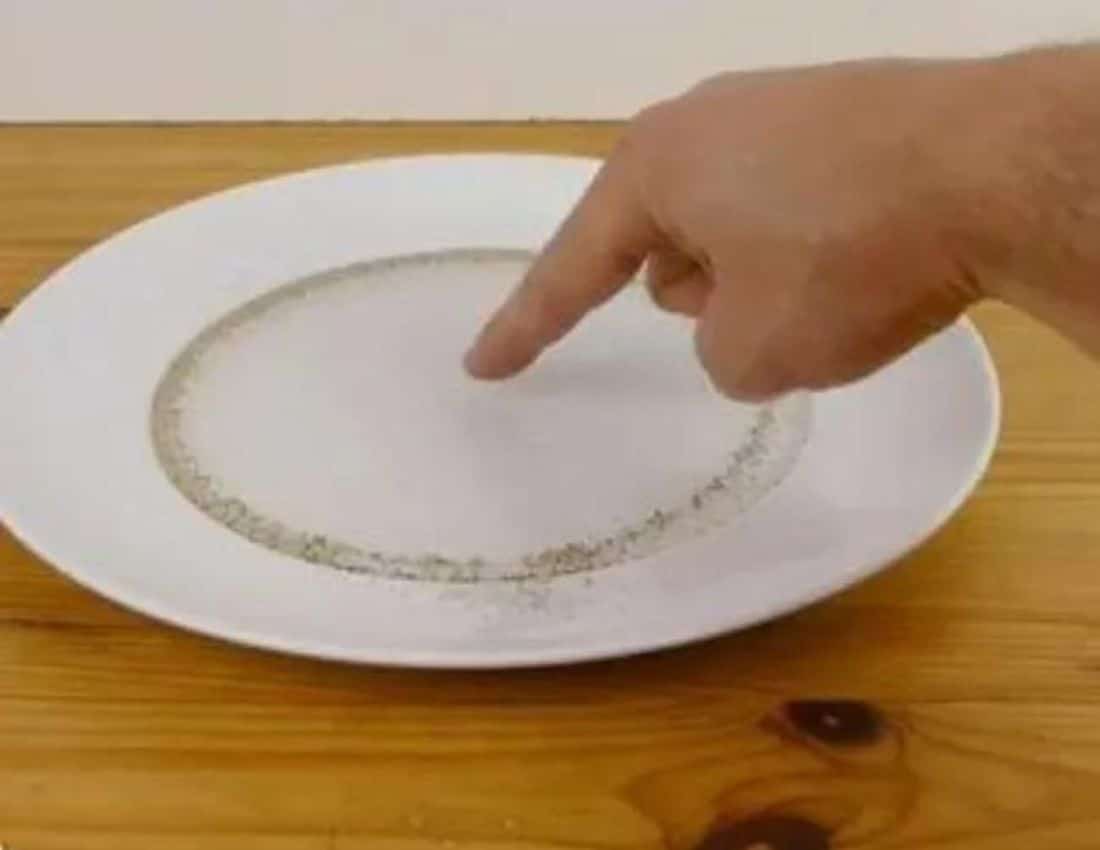
Pepper and Soap Experiment

Pepper and Soap Experiment

Credit: instructables.com With this easy-to-do pepper and soap science experiment, kids can easily understand complicated science concepts like buoyancy and surface tension. As a bonus, you can add a lesson on hygiene and use the experiment to explain how soaps work. STEM concept: Buoyancy, surface tension, how soap worksChallenge: EasyMessiness:

Pepper and Soap Experiment Read More »

Credit: instructables.com With this easy-to-do pepper and soap science experiment, kids can easily understand complicated science concepts like buoyancy and surface tension. As a bonus, you can add a lesson on hygiene and use the experiment to explain how soaps work. STEM concept: Buoyancy, surface tension, how soap worksChallenge: EasyMessiness:

Standing on Paper Cups Experiment

Standing on Paper Cups Experiment

Credit: science-sparks.com Can a paper cup support a person’s weight? Ask your child to stand on one or two. Most definitely, the cups will be crushed. But did you know that if there are enough cups, they can actually support even an adult’s weight? Try the standing on paper cups

Standing on Paper Cups Experiment Read More »

Credit: science-sparks.com Can a paper cup support a person’s weight? Ask your child to stand on one or two. Most definitely, the cups will be crushed. But did you know that if there are enough cups, they can actually support even an adult’s weight? Try the standing on paper cups

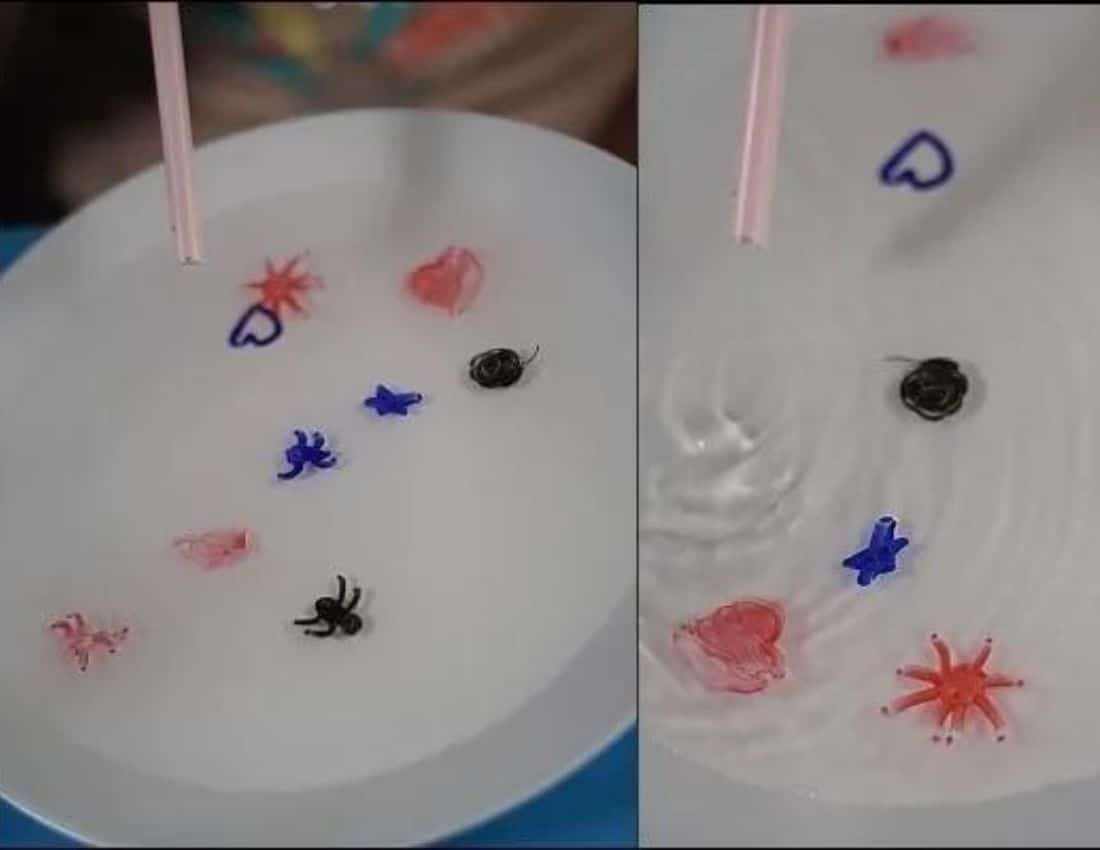
Dry Erase Experiment

Dry Erase Experiment

Credit: gosciencegirls.com Tackle density and chemistry with this experiment. All you need are some dry erase markers and a couple of other things that you can easily find lying around the house. STEM concept: Density, the chemistry of dry erase marker inkChallenge: EasyMessiness: Low Materials for Dry Erase Experiment •

Dry Erase Experiment Read More »

Credit: gosciencegirls.com Tackle density and chemistry with this experiment. All you need are some dry erase markers and a couple of other things that you can easily find lying around the house. STEM concept: Density, the chemistry of dry erase marker inkChallenge: EasyMessiness: Low Materials for Dry Erase Experiment •

Smore-logos (1)-01
© 2019, Smore Science. All Rights Reserved.All Rights Reserved.  Stock Photos provided by our partner Depositphotos
Scroll to Top
//